Polls closed: About 73% of Likud central committee members voted on the PM's proposal
After months of disputes and delays, polls closed this evening for the Likud convention elections. With 3,395 out of 4,662 eligible members voting, the turnout reached 72.82%, a figure considered particularly high for internal party elections.
After months of disputes, clashes, and delays, the polls closed this evening (Monday) in the elections for the Likud convention. Final data shows that out of 4,662 eligible voters, 3,395 convention members participated—a turnout of 72.82%, a figure considered particularly high for internal party elections.
In Likud, officials expressed great satisfaction with the high involvement, emphasizing that despite the stormy campaign and the struggles of recent weeks, convention members arrived in droves to vote. The party views this as a significant signal ahead of the primaries to be held on August 17, and estimates that high participation is expected there as well.
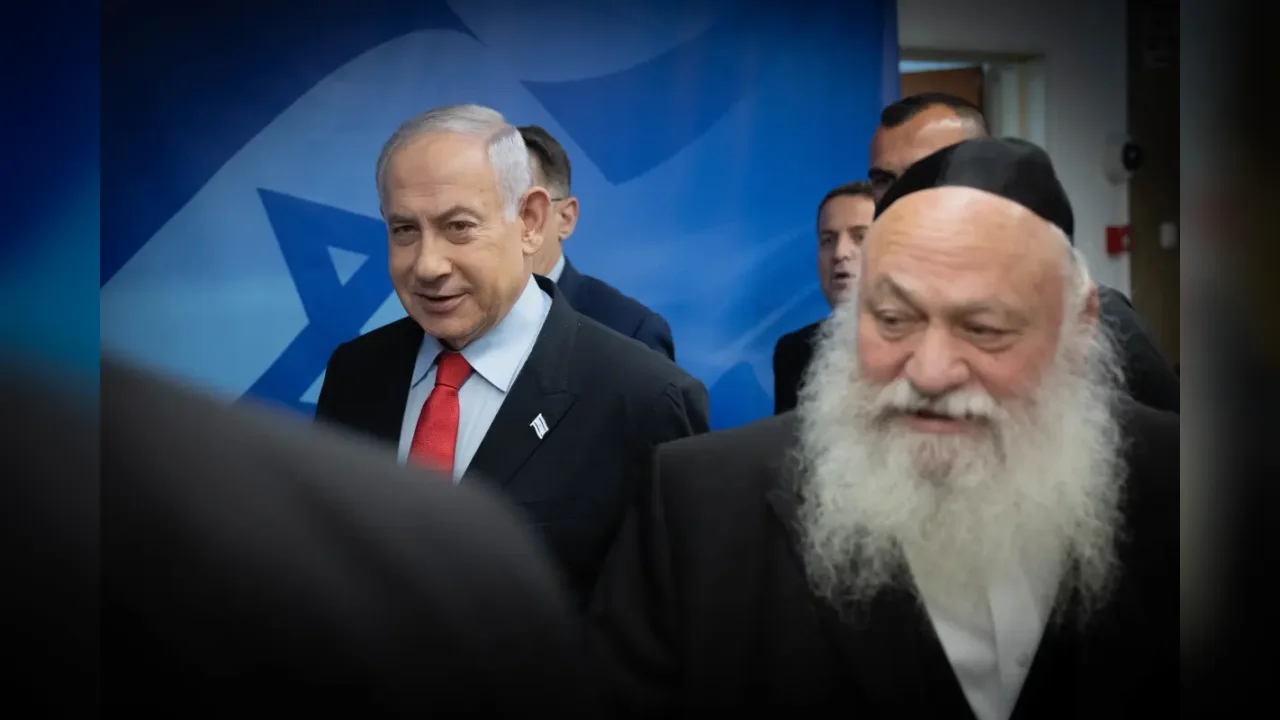
At the center of the vote was the package of proposals promoted by Likud chairman and Prime Minister Benjamin Netanyahu and Likud central committee chairman, Minister Haim Katz. Among other things, convention members were asked to approve eight reserved spots for Netanyahu on the Likud list, new primaries regulations, and changes to the district structure—moves that sparked opposition from senior party members, led by MK David Bitan.
In the political system, it is estimated that the high turnout may actually serve the camp that led the move—Netanyahu and Haim Katz. In addition, the very fact that the proposals were presented throughout as the "Prime Minister's proposal" gave them a significant advantage among convention members, as for many it was also an expression of confidence in Netanyahu's leadership, rather than just a technical decision on changing the regulations.
Now, Likud is waiting for the final results of the vote, but it is already clear that the high participation rate provides a tailwind for the party leadership on the final stretch before the primaries, which will determine the Likud list for the next Knesset and the internal balance of power in the coming years.