US Senate Approves Sanctions Against Russia and Iran Amid Secret Negotiations
The US Senate approved a comprehensive sanctions bill against Russia and Iran by a vote of 86 to 11, following Donald Trump's demand to expand the measures to Tehran. Simultaneously, secret diplomatic contacts to reach an agreement with the Iranians continue.
After long months of delays, bickering, and intense political struggles on Capitol Hill, the US Senate approved overnight by an overwhelming majority a comprehensive bill to impose heavy sanctions on Russia and Iran. The significant move, which received a final and dramatic push following the sudden death of veteran Republican Senator Lindsey Graham, presents a tough and uncompromising front toward Moscow and Tehran. However, parallel reports reveal a much more complex picture of secret diplomatic contacts being conducted far from the spotlight.
Drying up Vladimir Putin's war machine
According to the report on NBC, the legislation, which spans 61 pages and was officially titled the "Lindsey Graham Russia and Iran Sanctions Act of 2026," passed by an overwhelming majority of 86 supporters against only 11 opponents. Its central goal is to severely punish the major purchasers of Russian oil and gas, and effectively dry up the central funding sources that fuel Vladimir Putin's war machine. The precedent-setting law allows for the imposition of targeted tariffs on products from the five countries that import the bulk of energy from Russia, and includes a series of additional and strict sanctions on senior Russian leaders, their family members, and oligarchs close to the regime.
Senate Majority Leader, Republican John Thune of South Dakota, explained the necessity of the move: "The conflict in Ukraine is the largest conflict in Europe since World War II. The Ukrainian people are working hard to bring this war to an end, but as long as Vladimir Putin has money from oil and gas, he can continue to fight. This sanctions bill will simply cut off this catalyst."
Donald Trump's demand and the expected battle in the House of Representatives
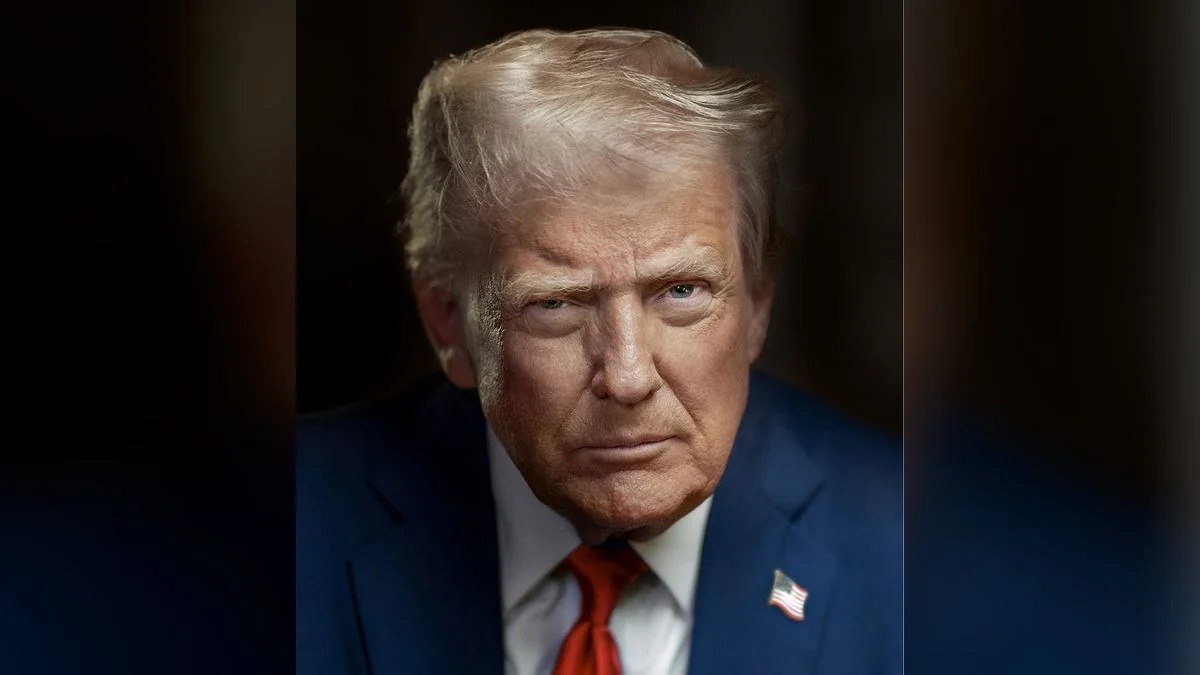
According to NBC, the bill in its original version focused almost exclusively on Russia, but a firm last-minute demand from President Donald Trump changed the picture. Donald Trump demanded and succeeded in expanding the sanctions authority so that it would also significantly limit funding channels for Iran's weapons and energy sectors. This addition sparked intense criticism from a group of Democratic lawmakers and even from Republican Senator Rand Paul, who argue that the new law grants Donald Trump overly broad and dangerous tariff powers. Now, the bill moves to a test in the House of Representatives, controlled by the Republicans, where its future is shrouded in fog due to internal disputes.
The agreement in the Senate was led and presented by Lindsey Graham's sister, Senator Darlene Graham, along with a series of prominent senators from both parties. In a joint statement they issued, the lawmakers clarified that the step is intended to stop energy purchasers from fueling Vladimir Putin and to limit Iran's ability to support terrorism, adding that "there is no better way to honor Lindsey Graham's legacy."
Parallel to sanctions: contacts with Iran continue
While the new legislation presents a hawkish and tough line from Washington against the Islamic Republic, it seems that diplomatic channels continue to operate at full speed under the radar. According to Barak Ravid, who quotes a diplomat from one of the countries mediating the conflict, the Iranian negotiating team is waiting just these days for final approvals from the Supreme National Security Council in Iran. The approvals concern a dramatic and tripartite agreement being discussed between Tehran, Oman, and the USA.
"We expect this approval soon," noted the diplomat whose name was not revealed. This distinct dichotomy - promoting strict sanctions legislation on the one hand, and conducting advanced negotiations for a settlement on the other - well reflects the carrot and stick strategy of current American policy, which is trying to curb the nuclear project and restrain Iranian terrorism without being dragged into a direct military confrontation.