Likud will pay the price: Netanyahu's contingency plan to save Smotrich revealed
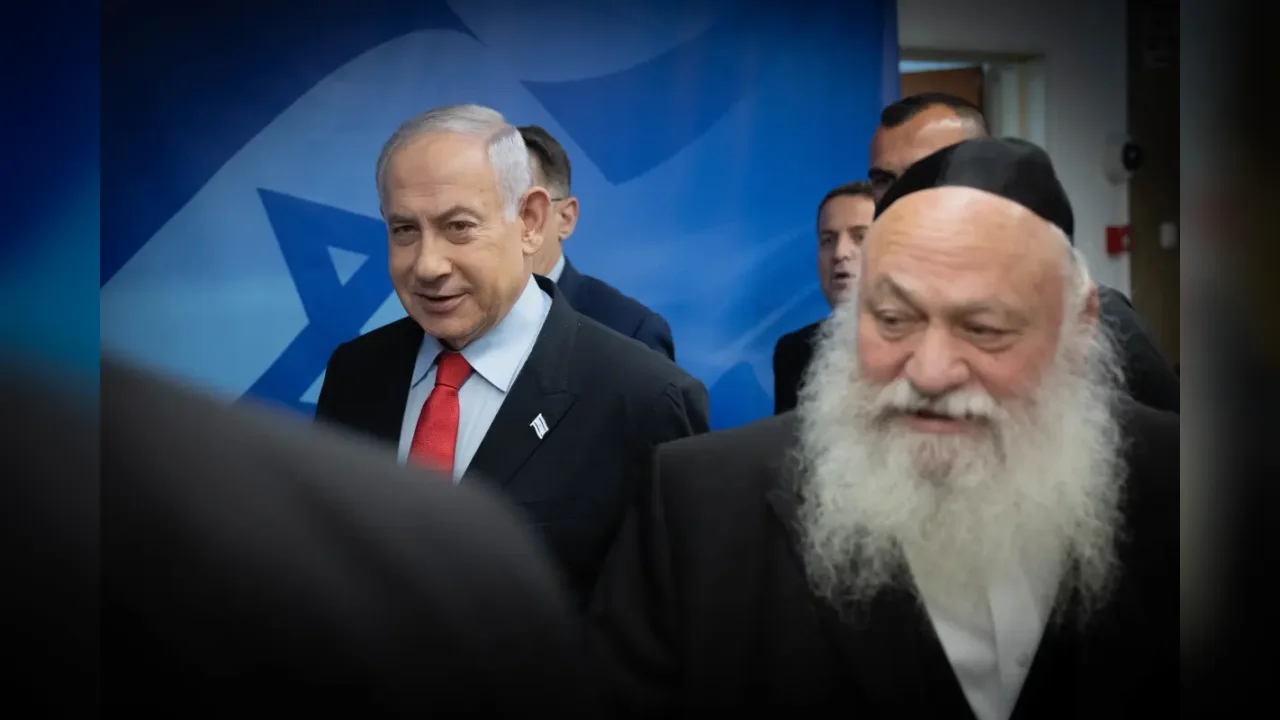
The threat from Winter and Haddad puts Smotrich at risk of falling below the electoral threshold, and Netanyahu is preparing a rescue plan. Alongside promoting Dichter and contacts with Kahlon, the Prime Minister plans to use reserved spots to save Religious Zionism at the expense of primary winners.
In Likud, they are examining the possibility of using some of the reserved spots remaining in the hands of Prime Minister Benjamin Netanyahu for a broader move in the right-wing bloc — in an attempt to reduce the risk of losing votes below the electoral threshold. Among other things, the possibility of assisting Religious Zionism is being examined, should Bezalel Smotrich's party struggle to pass the threshold.
In the party, they recall a similar move that Netanyahu promoted ahead of the 2021 elections. At that time, Ofir Sofer, from Smotrich's party, was placed in the 28th spot on the Likud list as part of an agreement intended to allow a joint run of Religious Zionism, Otzma Yehudit, and Noam. Formally, Sofer ran on behalf of the shelf party "Atid Echad," entered the Knesset after Likud won 30 mandates, and later split from the Likud faction to return to Religious Zionism.
The new fear: Ofer Winter and Yosef Haddad
In the background, Likud is watching with concern the new party being formed by Major General (res.) Ofer Winter. The main fear is of a multitude of lists competing for the same pool of voters and the possibility that some will remain below the electoral threshold. Winter is preparing to announce his party's establishment, likely next week, and is conducting advanced contacts with Yosef Haddad regarding his joining. The possibility that the two will run together is troubling senior Likud officials and is creating pressure on Netanyahu to act.
In the party, they estimate that if Winter sets out alone and does not rise in the polls, it will be easier later to convince him to withdraw or join Smotrich. However, a connection with Haddad may change the picture. In Likud, they fear that Haddad's public exposure will give the new party a better starting point. If the connection brings the list closer to the electoral threshold, it will be harder to convince Winter to give up the run.
The concern in Likud is not limited to Winter's party. Sources on the right warn that a multitude of independent runs for the same pool of voters could ultimately leave a significant amount of votes outside the Knesset and cost the bloc several mandates.
Eight spots — and a lot of pressure on Netanyahu
As published earlier this week, after the Likud primaries, Netanyahu's attention has shifted to the eight reserved spots at his disposal, through which he can influence the composition of the list.
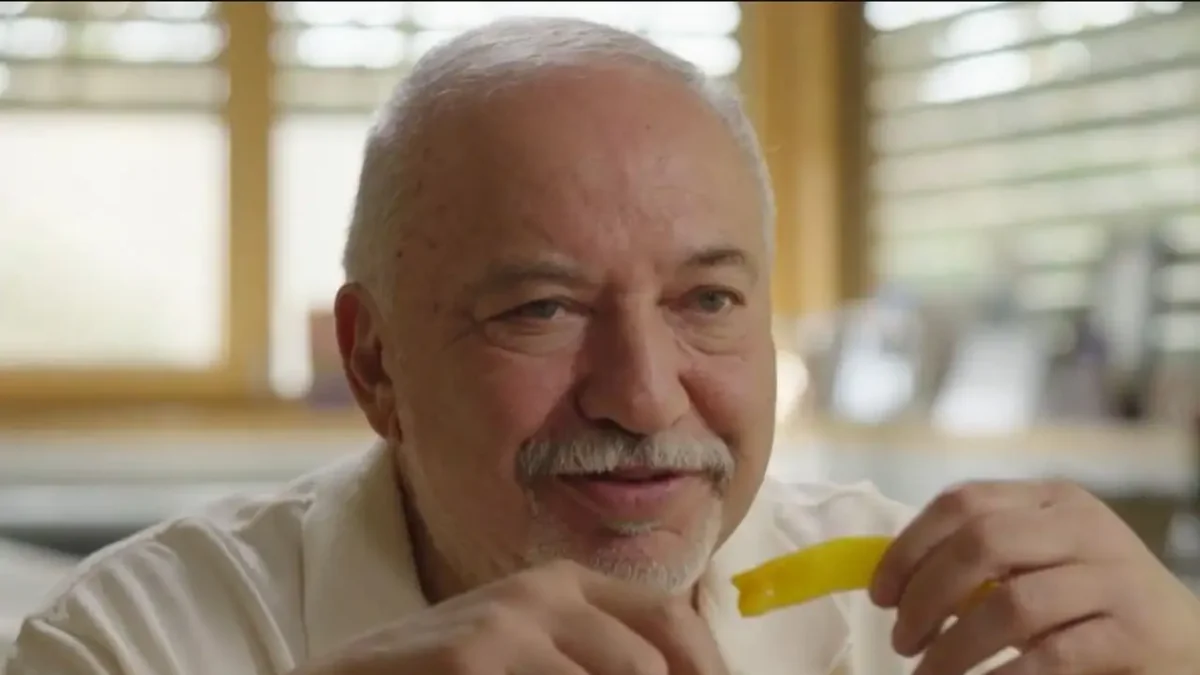
One of the names that came up is Moshe Kahlon. Kahlon did not accept the offer to return to the list, but did not reject it either. Likud recently conducted polls regarding the cost of living and found that Kahlon is still largely identified with the issue. Another name on the table is Tsaga Melaku, who withdrew from the primaries. Likud sources claim that Melaku could bring the party support among members of the Ethiopian community.
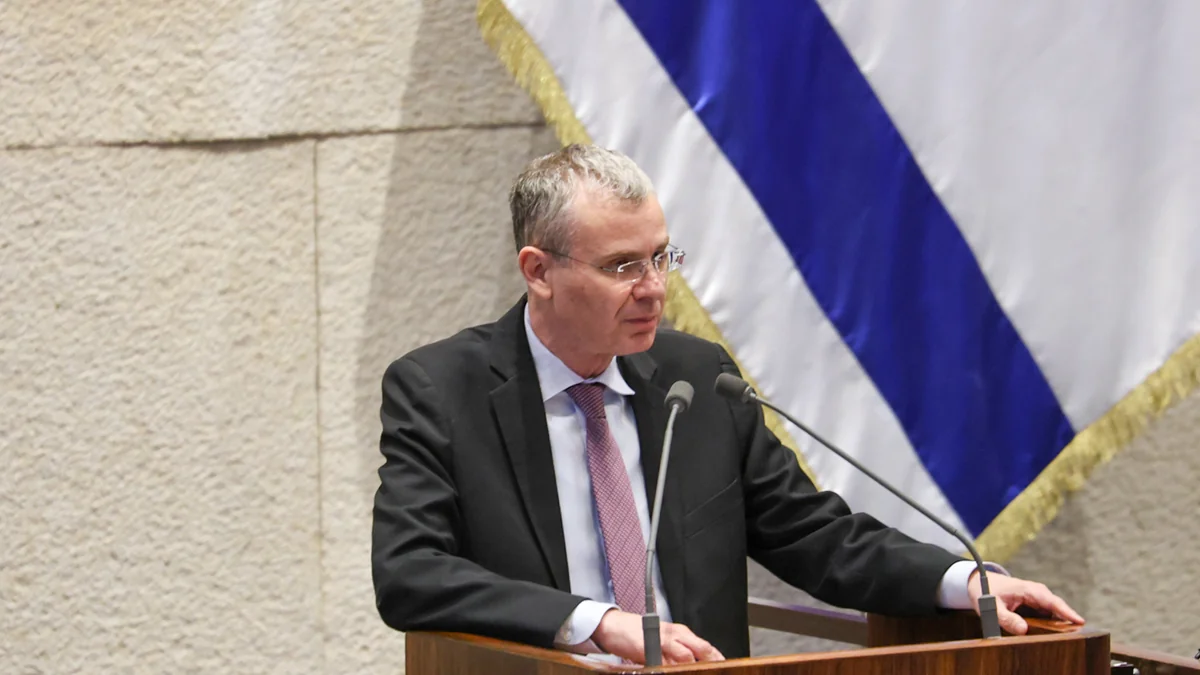
At the same time, among senior Likud officials, there is growing pressure on Netanyahu to use the "switching" clause to raise Minister Avi Dichter to a realistic place on the list. In the party, there are those who believe it is important to keep him on the list, given his security experience.
Ultimately, the question of reserved spots becomes Netanyahu's next political test. On one hand, he seeks to strengthen the Likud list; on the other hand, every new candidate placed in a high spot will push back candidates who were already elected in the primaries.