Tel Aviv Labor Court Rules High-Tech Manager's Heart Attack is Work Injury
The Labor Court in Tel Aviv recognized a high-tech manager's heart attack as a work-related injury following intense client disputes over a faulty 140,000 dollar system, ordering the National Insurance Institute to grant benefits.
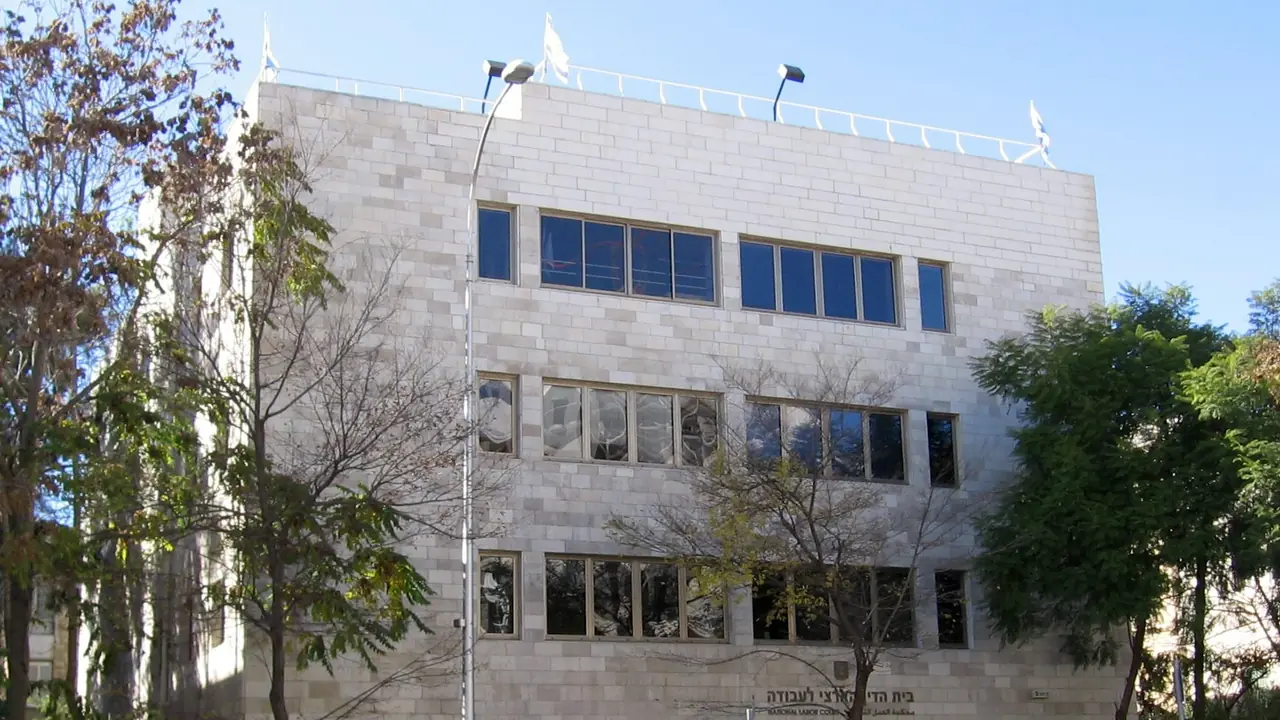
The Labor Court in Tel Aviv has officially recognized a heart attack suffered by a senior high-tech sales manager in his fifties as a work-related injury. The court ruled in favor of the employee, establishing that there is a greater than 50 percent probability of a causal link between a sequence of turbulent work-related calls regarding a faulty 140,000 dollar system and his subsequent cardiac event.
The incident began on September 5, 2021, when an upset client from India contacted the sales manager, complaining that a recently purchased system was malfunctioning and threatening to cancel the transaction unless it was fixed immediately. The heated conversation caused the plaintiff severe emotional distress, chest pressure, pain, and breathing difficulties, symptoms that resurfaced the following day during a walk.
Escalation and Hospitalization
Approximately four days later, upon returning from holiday leave, the employee learned via email that senior executives were intervening in the malfunction. Shortly thereafter, he endured a shouting match with a local agent who had sold the system to the client and was demanding an immediate refund. Following this tense exchange, the manager experienced severe chest discomfort, cold sweats, and pain.
Early the next morning, he contacted a medical call center and was rushed to the hospital, where physicians diagnosed him with an acute myocardial infarction, performed an emergency cardiac catheterization, and implanted two stents.
Medical Consensus and Ruling
The court-appointed medical expert acknowledged that the plaintiff possessed pre-existing risk factors, including a history of smoking, a family medical background of heart conditions, and early-stage atherosclerosis. However, the expert emphasized that the temporal proximity between the acute workplace stress and the cardiac event established the requisite causal probability exceeding 50 percent.
In its defense, the National Insurance Institute argued that the incident lacked a direct causal connection to the heart attack and constituted routine occupational stress. Presiding Judge Reut Shmer-Bags rejected this argument, noting that the unstable angina triggered by the extreme workplace incidents directly precipitated the heart attack five days later.
The Labor Court ordered the National Insurance Institute to recognize the September 2021 heart attack as a workplace injury and mandated the state agency to cover 7,000 shekels in legal expenses for the plaintiff. Legal representatives Bar Eliezer and Alishar Feingersh emphasized that the ruling provides the employee with vital medical and financial safeguards, potentially securing a monthly disability pension if permanent disability is established.