Isracard Profit Plummets 46% as Company Announces Hundreds of Job Cuts
Isracard reported a 46% plunge in third-quarter net profit to 20 million shekels and announced plans to cut up to 370 jobs by 2027 amid rising credit losses and soaring short-term growth costs.
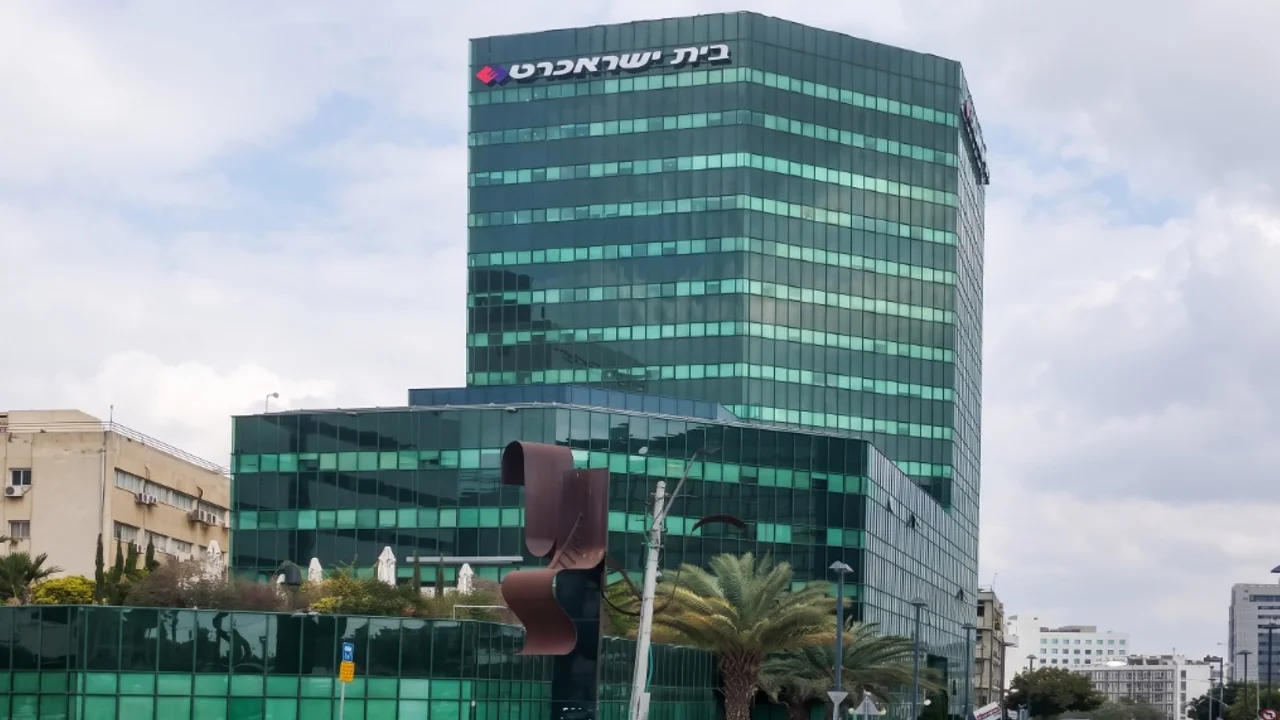
Isracard reported a challenging third quarter characterized by a sharp 46% drop in net profit to 20 million shekels, down from 37 million shekels in the same period last year. Excluding one-off impacts, the company's net profit fell from 96 million shekels to 55 million shekels, marking a 43% decrease. The credit card and payment giant, controlled by Yitzhak Tshuva's Delek Group, faced mounting credit loss expenses and heavy restructuring pressures during the quarter.
Revenues from credit card transactions climbed 14.7% to reach 763 million shekels, compared to 665 million shekels in the corresponding quarter last year. Net interest income experienced a slight decline from 258 million shekels to 252 million shekels. However, credit loss provisions surged by 71% from 45 million shekels to 77 million shekels, driven by portfolio expansion, increased provisions, and debt write-offs. Excluding one-off effects, the quarterly return on equity stood at 6.5%, down significantly from 12.6% in the previous year, while reported return on equity fell to just 2.4%.
Major Restructuring and Job Cuts
To counter the downward pressure on earnings, Isracard announced a major efficiency program approved by its board of directors on November 15. The plan entails cutting between 320 and 370 jobs during 2027 through various retirement tracks, including preferential terms for eligible employees. The company already recorded a one-off expense of 45 million shekels in the third quarter regarding the restructuring and projects that the initiative, combined with additional cost-saving measures, will generate annual savings of approximately 100 million shekels starting in 2027.
Growth drivers such as the FLY CARD agreement with the El Al Israel Airlines frequent flyer club continue to expand, with active cardholders reaching approximately 390,000. Customer acquisition rates and activity volumes are meeting or exceeding company targets. Nevertheless, this expansion carries short-term costs, with Isracard estimating that the agreement will dent pre-tax profitability by 70 to 100 million shekels in 2026, primarily due to customer migration, marketing, and acquisition expenses.
Credit Portfolio Expansion and Market Valuation
Alongside payment operations, Isracard continues to scale its lending business. By the end of September, the private consumer credit balance under the group's management reached approximately 9.62 billion shekels, up from 8.58 billion shekels at the end of 2025, while commercial credit grew from about 3.26 billion shekels to roughly 3.92 billion shekels. Furthermore, Isracard continues to evaluate the prospect of transitioning into a fully fledged bank, a strategic move that would expand its scope beyond traditional credit and payment services.
Traded on the Tel Aviv Stock Exchange, Isracard's share price has dropped 28.91% since the beginning of the year, including a 1.16% decline since the start of November and a 2.72% drop over the final trading week. The stock closed at 1,109 agorot, giving the company a market capitalization of approximately 3.61 billion shekels. The valuation remains roughly 35% below its annual peak of 1,712 agorot recorded in February.