Israeli startup Corma raises $60 million to develop AI-powered cyber defense model
Corma, which is developing a dedicated cyber defense model against AI attacks, has announced a $60 million seed round led by Sequoia. The company is already working with Fortune 100 and Fortune 500 firms to bridge the growing gap between AI-driven offensive and defensive capabilities. Corma was founded in 2025 by Alon Fluda, a Psagot program graduate and Unit 8200 alumnus.
Corma is emerging from stealth today with a $60 million seed round led by Sequoia Capital, with participation from Khosla Ventures and Coatue. The company is developing a dedicated foundation model for defensive cyber operations and reports that it is already working with Fortune 100 and Fortune 500 companies.
"The gap between AI-based attack capabilities and the defensive capabilities of organizations is widening," says Alon Fluda, co-founder and CEO of Corma. "AI-based attacks currently operate at a speed and level of sophistication that human teams and existing tools struggle to keep up with, and this gap will only grow in the coming years."
Corma was founded in 2025 by Fluda alongside a team of AI and cyber experts, including former researchers from Google and DeepMind, as well as alumni of Unit 8200. The company currently employs approximately 20 people.
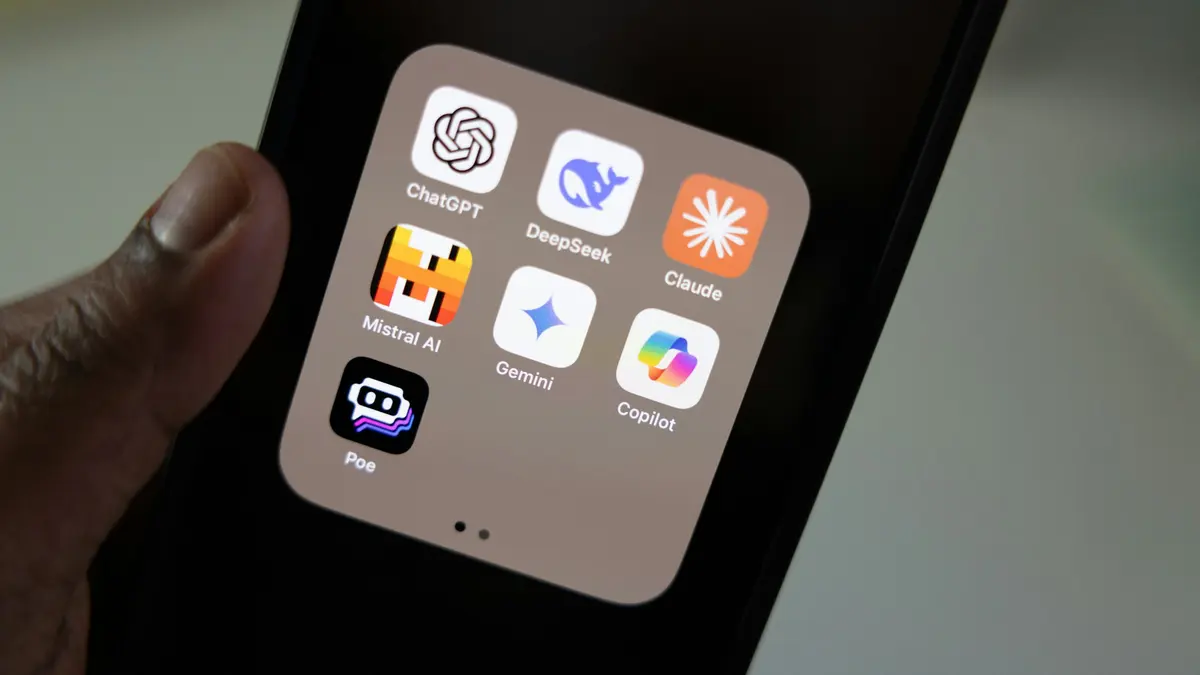
The company presents its product as a foundation model built specifically for cyber defense, distinct from general AI models such as ChatGPT, Claude, and Gemini. According to Corma, while general models can write code and identify bugs, these same capabilities are being leveraged by attackers to research vulnerabilities and develop sophisticated attack chains, such as Anthropic's Mythos.
Corma argues that the defense side is at a disadvantage, as cyber defense requires processing massive volumes of logs, security events, and network traffic, while maintaining consistency across thousands of decisions. General AI models struggle to perform these tasks at the level required for enterprise protection.
In an internal study conducted by Corma, hundreds of simulations were run in corporate environments mimicking Fortune 500 companies. In these tests, AI attackers succeeded in 88% of cases, while AI defenders detected only 12% of threats. Corma's model is designed to serve as a foundation for 'General Security Employees'—AI agents capable of continuously learning the organizational environment and strengthening security teams with superhuman speed and scale.
"The industry needs what is considered the 'Holy Grail' of the field—a capability that until recently seemed like science fiction and is now achievable: SuperIntelligence for defensive cyber," says Fluda. Shaun Maguire, a partner at Sequoia Capital, adds: "Soon, every security team will face AI-based attackers operating at machine speed and scale. The only answer is an AI-based defensive workforce capable of doing the same—and that is exactly what Corma is building."
Fluda, 31, is a graduate of the Psagot program and served in a vulnerability research team within Unit 8200. Following his discharge in 2022, he co-founded Migo Security, but left the company shortly after its establishment following a rift with other founders, which resulted in a legal battle that eventually concluded in a settlement.