The next confrontation with the USA? Iceland considers whether to join the European Union
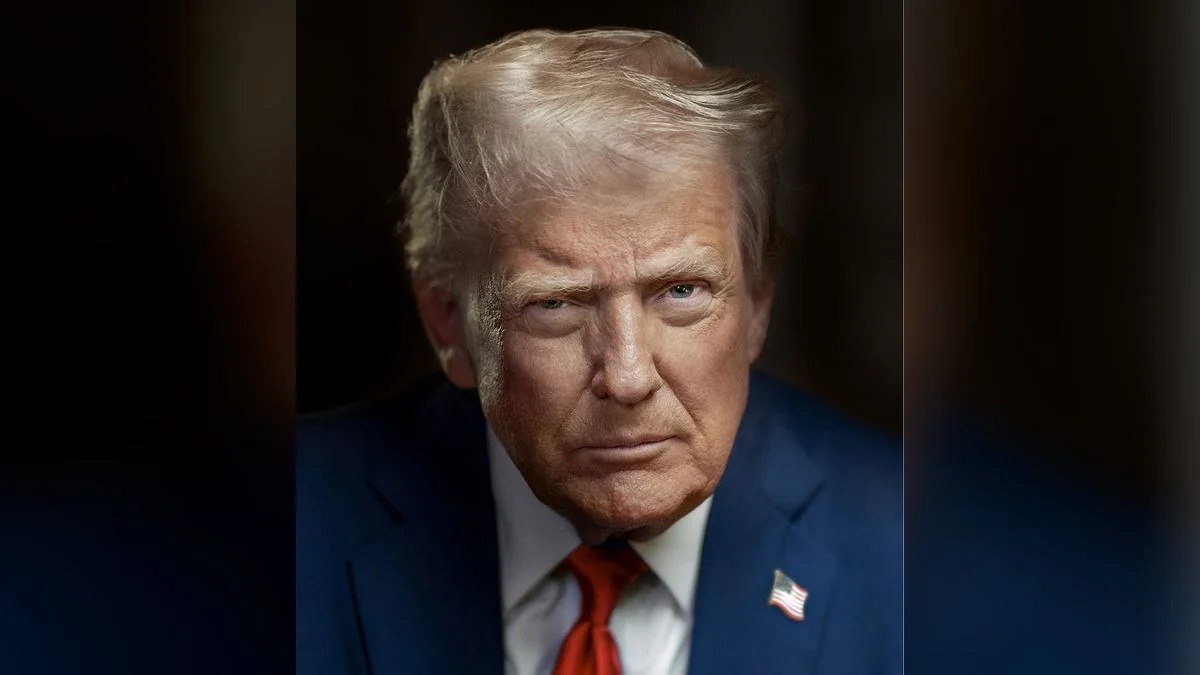
Against the backdrop of Donald Trump's threats regarding the American need for control in the Arctic region and his repeated statements about American annexation intentions for neighboring Greenland, the residents of Iceland will go to the polls this coming Saturday for a referendum that will decide whether to reopen accession talks with the European Union.
If there is a trait that characterizes the residents of Iceland, it is a striving for independence. The descendants of the Vikings who left Scandinavia and moved to live on a remote Arctic island with harsh living conditions are considered a stubborn people, who do not fear risks and confrontations and value their independence above all else.
It takes a major shock to make Icelanders give up any freedom. One such shock occurred more than a decade ago, after the country effectively went bankrupt due to a corrupt banking and government sector. Against the backdrop of an unprecedented economic crisis, Iceland then began talks on joining the European Union and financial rescue, and considered pegging its currency to the euro. Three years later, when Iceland's situation improved, the talks were suspended.
But now another shock is occurring. In the shadow of the threats by US President Donald Trump regarding the American need for control in the Arctic region and his repeated statements about American annexation intentions for neighboring Greenland, the residents of Iceland will go to the polls this coming Saturday for a referendum that will decide whether to reopen accession talks with the European Union.
As the previous talks, which failed, proved, this does not mean that Iceland will soon become the 28th member of the European Union, or the 21st member of the eurozone, but the geopolitical message is clear: the world is changing, and countries must decide if they want to "choose a bloc" if they wish to influence the changes.
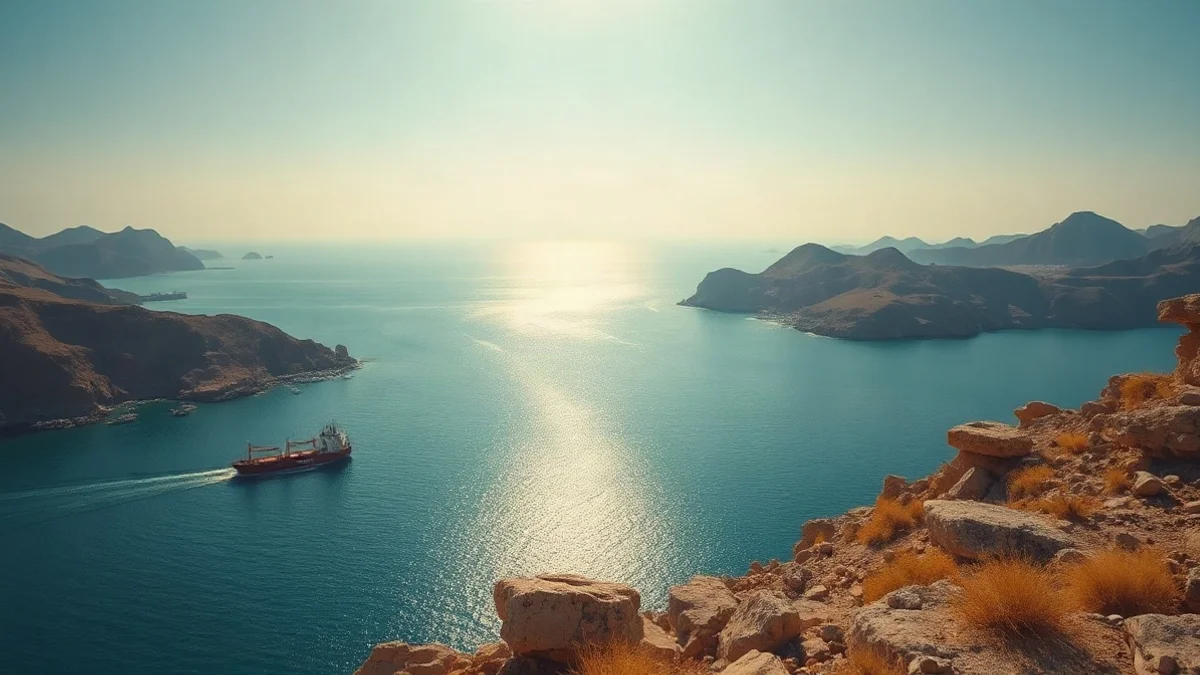
Only about 400,000 people live in Iceland, located between Northern Europe and Greenland, on a strategic path that the USA wants to protect from Russian and Chinese influence and activity. "Whoever holds Iceland," Winston Churchill said during World War II, "holds a gun at the throat of Britain, the USA and Canada."
Iceland is a member of NATO, but it has no army, and its defense spending stands at 0%. Its security depends on NATO and a defense agreement with the USA. It provides the alliance and the USA with access to the Arctic Sea, territory for training, and the use of infrastructure in case of war.
Iceland is also a member of the European Economic Area (EEA), like Norway, Switzerland and Liechtenstein, with almost free trade with the European Union and freedom of movement as a result of the Schengen Agreement. The question is whether to "upgrade" its status to a full member of the European Union, and what the advantages and disadvantages of such a move would be.
Hopes in the Union
Brussels very much hopes that the Icelanders will say "yes" this coming Saturday. Iceland is already aligning itself with most European regulations, and the talks that were held in the past on many issues will pave the way for a relatively fast integration of the country into the European Union.
"If the residents decide to move forward in the accession process," the person responsible for the accession of new countries to the European Union said to the media this week, "it will be a different situation than with any other candidate country. We have never had a country that is 'on the same page' as us already in the current state of affairs."
In the Union, they hope that a future accession will prove that the organization is sustainable and can serve as a counterweight to powers like China and the USA. The last member to join the European Union was Croatia, 13 years ago.
In the Union, they are signaling to Iceland that just as its leaders stood by Denmark in the public struggle against Donald Trump over Greenland, so they will stand by Reykjavik if the USA seeks to increase its influence on the island.
Disagreements
But in Iceland, opinions are divided. Joining the European Union will likely be expressed in some concession in the field of fishing, which is a central social and economic part of Iceland, and the fear of the effects of joining Europe in the face of the USA is also significant. The "no" camp notes that US presidents come and go, and that American policy towards Iceland is not as sharp as that towards Denmark and Greenland.
In Iceland, there are about 270,000 eligible voters, and recent polls indicate a close race: 51.5% for the "yes" camp for accession talks, compared to 48.5% for the "no" camp - still within the margin of error.
The polls showed that more than anything, the opponents fear the impact on local agriculture, and especially on fishing quotas and the need to "open" territories to fishing vessels of other countries. Iceland was involved in violent confrontations in the past with Britain over the issue of fishing. Therefore, the possibility of talks only appeals to many, who perhaps are waiting to see what options will be offered to Iceland, before they decide whether to leave the situation as it is or move towards more full integration.
For the Icelanders, there is no question regarding the desire to strengthen sovereignty over the island, but only what will be the best way to do so. "There are two camps stemming from the same concern," Prof. Eirikur Bergmann, a political expert, told Politico. "One argues that Iceland should join the European Union to strengthen its sovereignty and preserve its heritage and independence. The second camp warns against membership in the European Union for the exact same reasons, and argues that it threatens Iceland's sovereignty."