Kiryat Shmona Recovery Hinges on Jobs, Security, and Healthcare
Kiryat Shmona's recovery depends on secure housing, robust emergency healthcare, and stable employment. Officials emphasize that long-term regional rehabilitation requires transparent budgeting and multi-year economic planning.
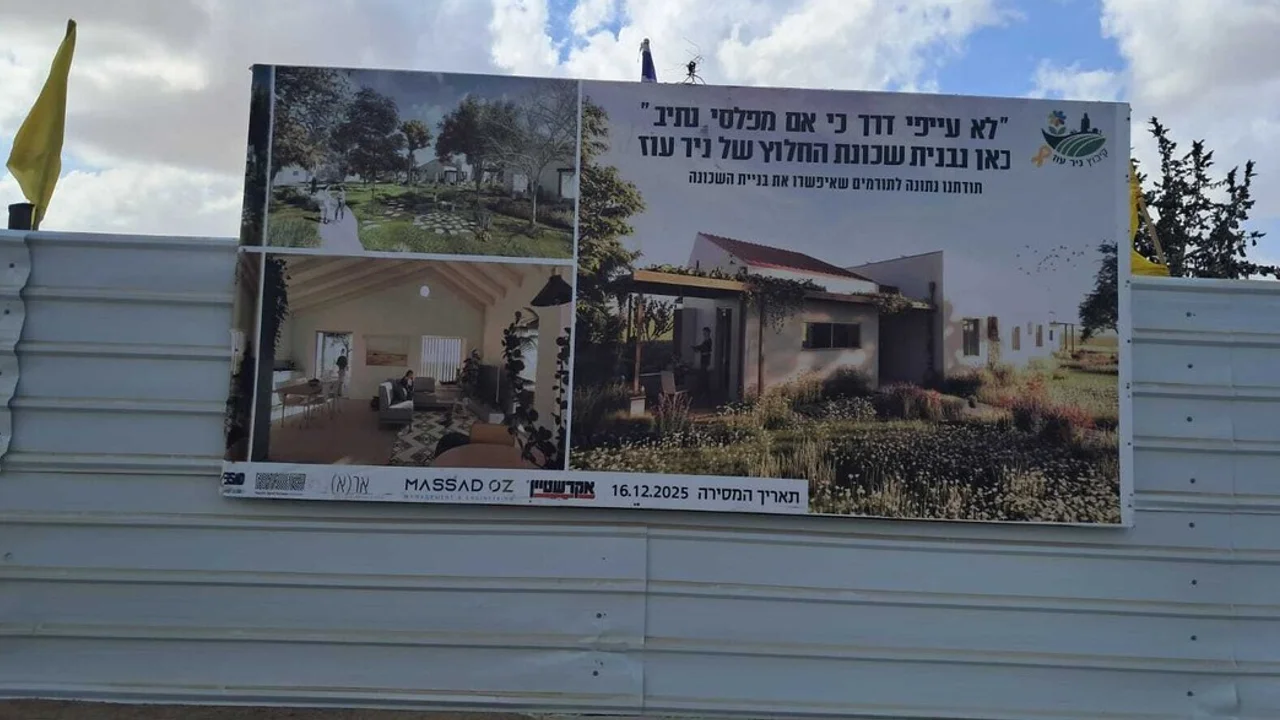
The recovery of Kiryat Shmona and the broader northern and southern regions requires a comprehensive strategy that connects immediate municipal repairs with long-term economic planning. While schools, playgrounds, and cultural centers are being restored, local officials emphasize that families will only return if they are assured of stable employment, secure housing, and reliable round-the-clock emergency medical care.
According to Yohanan Mali, Director-General of the Ministry for the Development of the Negev, the Galilee and National Resilience, student enrollment in Kiryat Shmona remains roughly 20 percent below pre-war levels recorded in September 2023. Government figures indicate that allocations totaling 344 million shekels were earmarked for infrastructure and building restoration in Kiryat Shmona, Shlomi, and Metula under 2024–2025 government resolutions, alongside 175 million shekels for frontline and evacuated authorities during 2023–2024. Local social activist Shiran Ohayon notes that while emergency aid and municipal support provided by the ministry and Minister Yitzhak Wasserlauf have been vital, residents still require public accountability tracking budgets, timelines, and project completion stages.
Economic Anchors and Employment Opportunities
Sustainable recovery depends heavily on creating dependable local jobs and supporting existing businesses. Proposals include relocating government administrative units with permanent positions to Kiryat Shmona, offering state-funded municipal property tax relief for businesses over two years, and establishing compensation frameworks for enterprises experiencing ongoing revenue drops.
To draw young professionals and boost commercial activity, the Ministry is advancing anchor projects such as a new social work academic complex for Tel-Hai Kiryat Shmona Academic College above the municipal market. Mali underscored a preference for long-term foundational projects:
"I prefer to invest money in anchor projects, even if they take a bit longer to build."
Healthcare, Shelter, and Regional Resilience
Emergency medical services remain a central concern for returning families. The Ministry has allocated 15 million shekels toward an urgent care medical center in Kiryat Shmona, where Rambam Health Care Campus specialists already provide outpatient services ahead of the scheduled opening of a fortified medical facility in March 2027. Local advocates continue to press for round-the-clock emergency care equipped with X-ray and laboratory facilities, intensive care transport, and comprehensive psychological support for children.
Beyond the northern frontline, the Negev faces profound structural, social, and security challenges exacerbated by recent conflicts, including Operation Rising Lion and Operation Roaring Lion. Hagai Reznik, head of the Riefman Institute for Negev Development, highlighted the necessity of statutory authority for regional ministries to effectively coordinate housing, land management, infrastructure, and governance across both the Negev and the Galilee.