Jerusalem Traffic Gridlock Persists as Residents Demand Transit Solutions
Jerusalem residents and drivers struggle with severe daily traffic congestion as major road and light rail projects face ongoing delays and mounting commuter frustration.
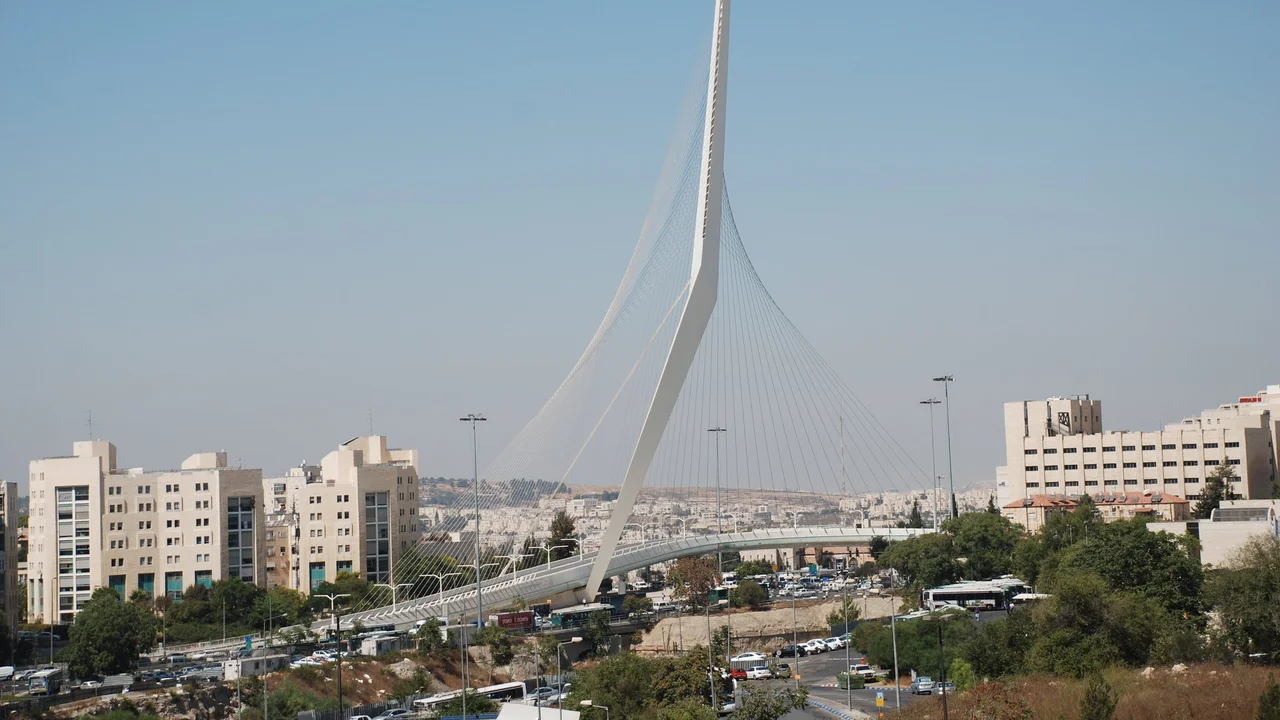
Severe traffic congestion across Jerusalem has turned daily commutes into a major challenge for motorists, public transit riders, and students, despite ongoing infrastructure projects aimed at easing the gridlock.
Daily Commutes and Rising Frustrations
For Yishai Nir, a 60-year-old taxi driver living in the Baka neighborhood, driving through the city has become an ordeal. A recent trip from the Western Wall to a downtown hotel took 45 minutes, a delay that disrupts his entire workday. Nir notes that traffic starts right outside his home on Mordechai HaYehudi Street, where making a left turn is constantly blocked by congestion.
"I try not to work, it has become unbearable," Nir says. "Three or four trips like that and the whole day is gone." His sentiment is shared by many residents who find themselves losing hours behind the wheel amid a growing volume of vehicles.
Campus Access and Public Transit Demands
Commuters traveling to the Hebrew University of Jerusalem campus on Mount Scopus face similar hurdles during morning hours. Yotam Maimon, a 26-year-old second-year student, explains that morning traffic jams make it difficult to reach lectures on time while balancing work commitments. Meanwhile, residents along Gaza Street in Rehovot are urging the municipality to establish a dedicated public transportation lane to help buses bypass standing traffic.
Transportation authorities are banking on upcoming rail extensions to alleviate the pressure. The Green Line of the light rail network is slated to connect Gilo and Mount Scopus. According to official schedules on the "Government Infrastructure" website, March 2027 is the estimated completion date for the line's operational phase, following earlier projections in February. On November 16, Kfir railway operator announced track work near Givet HaTachmoshet in preparation for test runs and safety checks along the Mount Scopus branch.
Evaluating Major Road Projects and Alternatives
Four years after its opening, Highway 16—designed to connect Highway 1 near Motza to Givat Shaul and the Givat Mordecai Interchange as an alternative entrance to the city's south and west—continues to face questions regarding how much actual time it saves during peak hours when feeding into congested urban streets.
To tackle the broader crisis, drivers and cycling advocates propose different structural remedies. Nir suggests imposing taxes on multi-car households to curb the rising import and ownership of private vehicles. On the other hand, Amari Levi Sadan, a 40-year-old resident of Katamon and activist with the "Bicycle for Jerusalem" organization, frequently transports his three children by bicycle and argues that road expansion alone will not solve the crisis.
"We see bicycles as a mode of transport for everything," Levi Sadan says. "There are more cars, more people, the traffic jams will only get worse."
Jerusalem Mayor Moshe Lion maintains that Jerusalem will become the first city in Israel to overcome traffic congestion. However, until ongoing rail projects and alternative transit corridors are fully operational, residents navigating key arteries like Gaza Street and Mount Scopus continue to absorb daily delays.