New Stage Drama Explores Invisible Combat Trauma and Veterans on Home Front
A new Hebrew Theatre production exposes the invisible psychological toll of combat on returning soldiers and their families, echoing alarming Ministry of Defense trauma data.
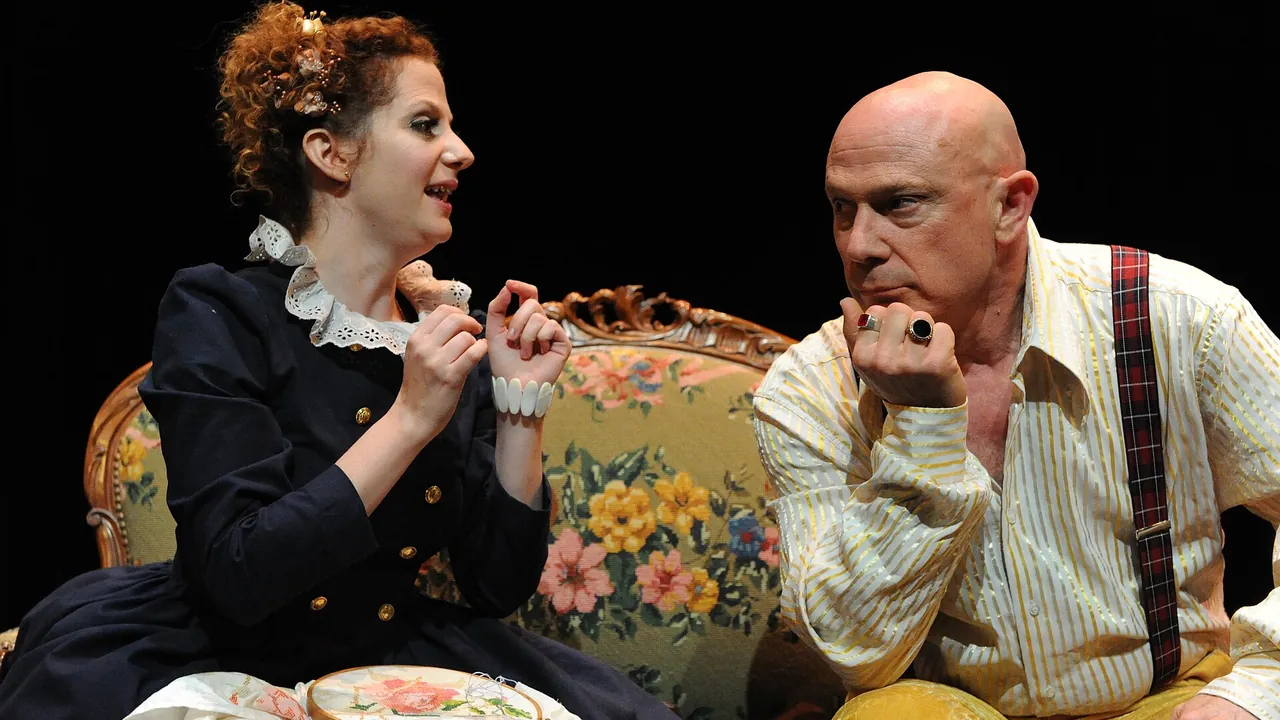
The guns may fall silent on the front lines, but for many returning soldiers, the most grueling battle is just beginning inside their own minds. A powerful new theatrical production titled At HaYechida (You Are the Only One), staged by the Hebrew Theatre, brings this hidden reality to the forefront, examining the invisible fractures that ripple through families and households on the home front.
The Anatomy of Post-Trauma on Stage
The narrative follows six young recruits from diverse backgrounds across Israeli society whose lives become intertwined during basic military training, subsequent combat deployments in Lebanon, and later mobilization under emergency call-ups in Gaza. Alongside them stands a lone female figure through whom the secrets, emotional scars, and fragile romances forged within the chaos are revealed. The production oscillates between bitter dark humor and unvarnished portrayals of combat shock.
In one searing domestic confrontation, a returning combat soldier nicknamed "Joker" clashes fiercely with his partner who urges him to seek professional counseling. "What help?! People here are living in a movie! Sitting and talking! Therapy, my foot! People are dying! Do you understand that?! You don't mess around with your brain in front of some professor of emotions," he snaps. In another scene, tension peaks along the coastline of Ashkelon as a teammate's attempt to pull the character "Jesky" into the surf abruptly triggers unresolved trauma from Lebanon.
Alarming Statistics and Preventative Civil Resilience
This theatrical exploration of invisible wounds aligns with sobering figures released by the Rehabilitation Division at the Israeli Ministry of Defense. Since October 7, 2023, approximately 30,000 wounded service members have been admitted to the division, with 63% grappling with psychological distress, anxiety, and post-traumatic stress disorder.
For Roi Shaposhnik, a reserve lieutenant colonel with over 1,000 days of operational duty and chairman of the Barak Association for the IDF Armored Corps, these figures carry deeply personal weight. The partnership between the association and the theater originated through theatrical management connections with the Or Ki Yahal initiative, a civilian resilience project established by the association alongside psychologist Maya Gazit in memory of her son, Captain Yahal Gazit, a company commander in the 53rd Battalion who fell in battle in Shejaiya in December 2023.
"The Ministry of Defense only starts treating you after you are already officially classified as post-traumatic, and we are trying to prevent that descent altogether," Shaposhnik noted, explaining that the association operates a volunteer network of over 1,500 clinical psychologists and social workers providing free individual therapy to armored corps soldiers for a full year.
Bridging Stage Reality and Personal Legacies
The blurred line between stage fiction and lived reality is further embodied by the cast. Actor Dean Miroshnikov, a decorated former naval commando who sustained injuries and battles post-traumatic stress while continuing reserve service, brings authentic lived experience to the ensemble. Meanwhile, the role of "Jesky" is played by actor Haimka Malka, who grew up in the shadow of family bereavement long before wearing a uniform. He carries the name of his uncle, Haim Malka, who fell during military service, recalling the heavy, unbroken silences in his grandparents' household regarding the fallen uncle.
"They never talked about him at all, didn't even mention his name," Malka reflected, recalling the untouched room preserved in his grandparents' home. "On Yom HaZikaron, we would go up to the cemetery, stand in a line, break down in silence, and not cry."
Malka later enlisted as a combat soldier and commander in the Nahshon Battalion, serving in Nablus and across Judea and Samaria during the Second Intifada and Operation Defensive Shield. Drawing directly from these formative experiences, he personally designed the tactical props and stage gear for the production's third act, ensuring absolute authenticity. As the nation navigates an unprecedented wave of returning veterans, the production ultimately strives to offer both a mirror to society and practical tools for healing.