Court Orders 3 Million Shekel Payout for Injured Kashrut Inspector
A Tel Aviv court ordered an insurance company to pay 3 million shekels to a kashrut inspector injured in a 2017 motorcycle crash, following a total damage assessment of 7.6 million shekels.

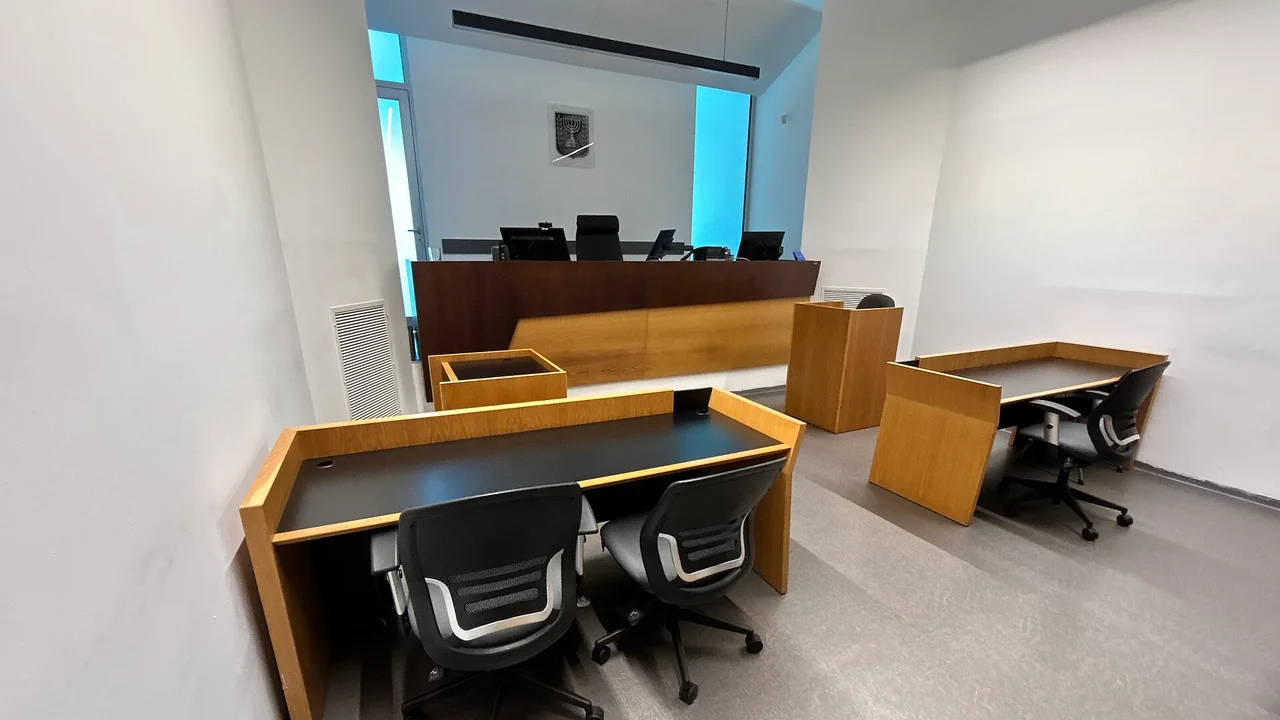
The Tel Aviv District Court recently ordered the "Hapool" insurance company to pay approximately three million shekels in compensation and legal expenses to a kashrut inspector who was severely injured in a motorcycle accident while commuting to work.
Judge Hedva Weinbaum Woltsky assessed the victim's total damages at around 7.6 million shekels, from which National Insurance Institute benefits—amounting to about 4.9 million shekels—were deducted. The accident occurred in June 2017, when the plaintiff, then 38 years old, lost control of his motorcycle. The vehicle slid and heavily crashed onto his right leg. He was rushed to Sheba Medical Center, where doctors diagnosed a comminuted fracture in his lower leg and subsequently performed reconstructive surgery using a rod and screws.
Prior to the accident, the plaintiff worked as a kashrut inspector and agricultural nursery supervisor across two jobs, while also volunteering with MDA. Following the trauma, he developed Complex Regional Pain Syndrome (CRPS) in his right leg, along with fibromyalgia. In his affidavit, he described excruciating pain from any physical contact with the leg, noting that even trimming his toenails requires anesthesia. He stated that he has transitioned from an active worker and volunteer to someone who rarely leaves home and depends entirely on family assistance.
The insurance company did not contest liability but argued that the plaintiff failed to mitigate his damages by not seeking alternative employment. Furthermore, the insurer claimed the court should factor in his refusal to undergo a leg amputation and calculate compensation based on a shortened life expectancy due to immobility and obesity. However, Judge Weinbaum Woltsky emphasized that none of the medical experts recommended amputation. The rehabilitation expert explained that the surgery does not guarantee pain relief and could leave the patient with phantom pain or higher-level limb pain.
The court determined that the victim's current condition must be evaluated as is, rejecting the shortened life expectancy argument due to a lack of medical foundation. The rider's combined medical disability was assessed at approximately 74%, while his functional disability was set at 85%. Out of the total 7.6 million shekels in damages, the court awarded roughly two million shekels for future lost earnings, 2.2 million shekels for past and future third-party assistance, 500,000 shekels for housing adaptations, 450,000 shekels for mobility, 400,000 shekels for medical expenses, and 171,000 shekels for pain and suffering. The judge noted that his current second-floor apartment without an elevator is unsuitable, mandating a move to ground-floor housing.
After deducting the National Insurance payouts, the insurer is required to pay roughly 2.7 million shekels, alongside legal expenses and approximately 345,000 shekels in attorney fees.