Plasticizer Used in Food Packaging Linked to Smaller Newborns
A new US study links prenatal exposure to DINCH, a common plasticizer used in food packaging, to slightly lower birth weight and smaller body length, raising concerns over safe chemical alternatives.
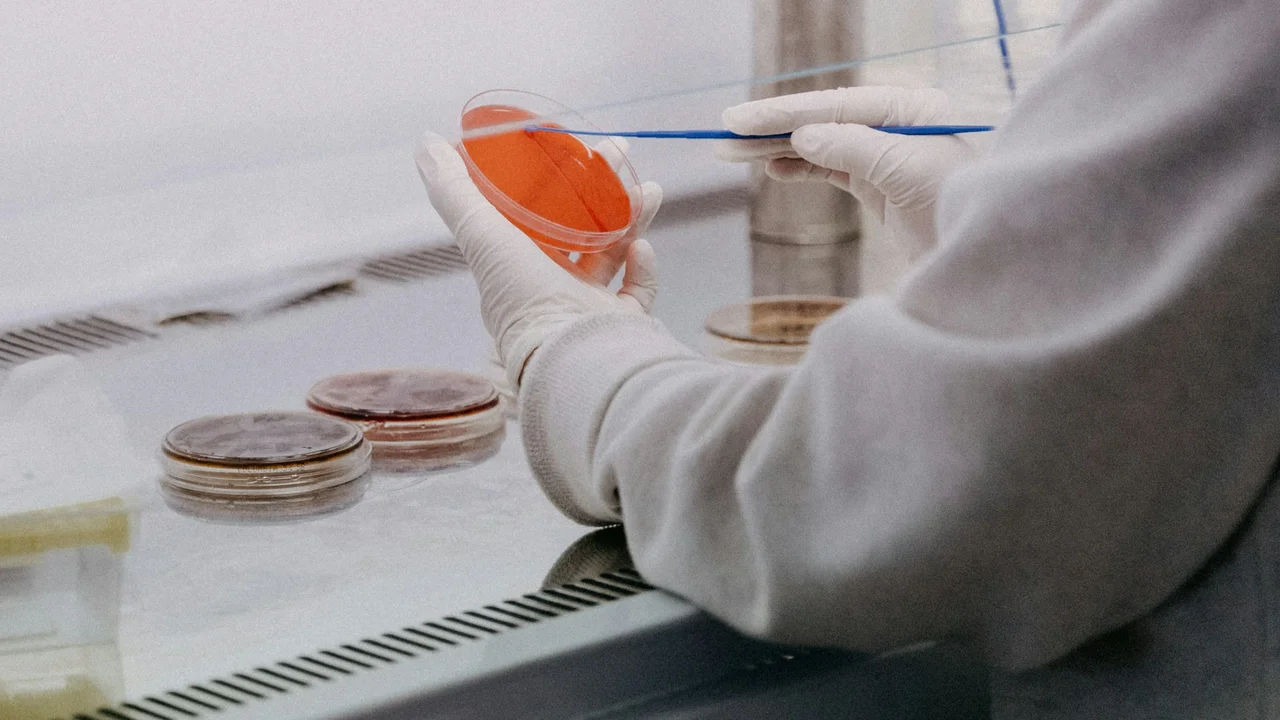
A new American study reveals that exposure during pregnancy to DINCH, a chemical plasticizer widely used in food packaging, plastic wrap, and children's toys, is linked to slightly lower birth weight and smaller body length. The research, published in the journal Environment International and led by Prof. Leonardo Trasande of the New York University (NYU) School of Medicine, analyzed data from 5,555 mother-infant pairs across the United States as part of the National Institutes of Health's ECHO program.
Findings on Birth Weight and Length
Researchers measured three breakdown products of DINCH in urine samples collected during pregnancy, detecting them in nearly half to over two-thirds of the participants. When evaluating exposure across the entire pregnancy, a tenfold increase in one of the metabolites was linked to an average birth weight lower by approximately 27 grams, with the average birth weight in the study standing at 3,341 grams. Furthermore, analysis of birth length showed a consistent inverse relationship with all three breakdown products, where a tenfold increase corresponded to a shorter body length by about 0.19 to 0.31 centimeters.
During the third trimester, higher concentrations of certain metabolites were also associated with a greater likelihood of a baby being classified as "small for gestational age" (SGA). Dr. David Danon, head of the obstetrical ultrasound unit at the Emek Medical Center, noted that while a 27-gram difference typically carries no direct clinical significance, infants classified as SGA face an elevated risk of developmental challenges later in life. However, researchers cautioned that the study did not track the long-term development of the children, and factors such as underlying medical conditions could also influence fetal growth.
Concerns Over Regrettable Substitution
DINCH was introduced to the market in 2002 as a safer alternative after regulatory bodies cracked down on traditional phthalates like DEHP. Global production has since surged from 25,000 tons in 2002 to 400,000 tons in 2024. Representatives from the Swiss-based Food Packaging Forum have voiced concerns regarding the scarcity of independent safety data, noting that DINCH can migrate from packaging into food.
Prof. Trasande described the findings as a serious warning sign of a "regrettable substitution," comparing it to instances where toxic chemicals are replaced by alternatives that later prove similarly hazardous. He emphasized the urgent need for stricter oversight, pre-market testing of industrial chemicals used in household products, and tighter regulations within ongoing international plastic treaty negotiations.