Advanced Biologic Treatment Restores Breathing and Smell for Nasal Polyps Patient
A 79-year-old Tel Aviv woman suffering from chronic nasal polyposis found relief through advanced biologic treatment after enduring over a decade of symptoms and loss of smell.
Shula Karni, a 79-year-old resident of Tel Aviv, lived with chronic nasal congestion, head pressure, and a total loss of sense of smell for over a decade. "It is not just a blocked nose," she describes. "It is as if you live inside a closed pipe. Constantly congested, constantly tired." Shula, who continues to work as a medical secretary for a gastroenterologist, suffered from chronic rhinosinusitis with nasal polyps (CRSwNP), an inflammatory condition characterized by the growth of nasal polyps. Despite repeated recommendations for surgery, she refused out of fear, relying instead on long-term steroid use.
"The first smell that returned was my perfume," Shula says, describing the dramatic shift after starting advanced biologic treatment. After just the first injection, she was suddenly able to breathe through her nose and smell again. The turning point that convinced her to seek advanced care occurred on the eve of Passover, when a family roast burned in the oven because she could not smell the smoke during a lengthy phone call. Following special approval from her health maintenance organization, she began the biologic therapy, noting a remarkable improvement in her quality of life.
Dr. Sagit Shushan, an ear, nose, and throat specialist and head of the National Clinic for Olfactory Disorders at Wolfson Medical Center, explains that nasal polyposis is a chronic inflammatory disease of the nasal mucosa and sinuses. The polyps, which are soft and benign growths, obstruct airflow and sinus drainage. Symptoms include chronic nasal blockage, loss of smell, facial pressure, and recurrent sinusitis, significantly impacting patients' quality of life.
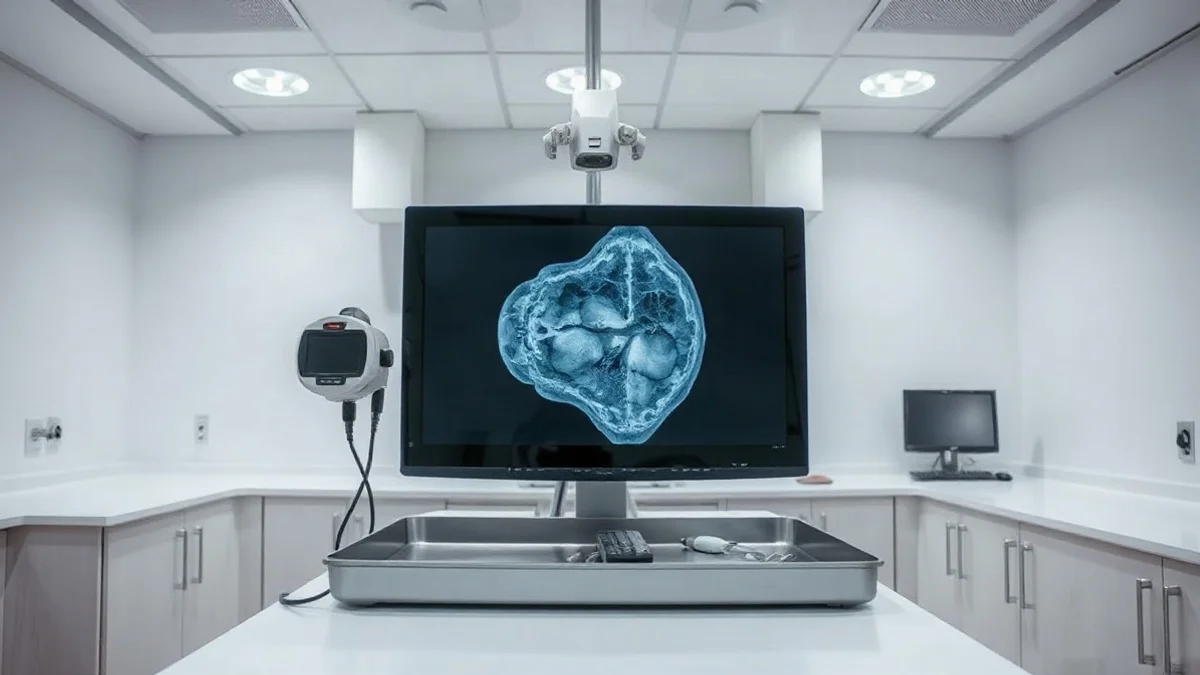
Diagnosis involves endoscopic examination and CT imaging to evaluate the extent of the polyps. Medical experts increasingly understand that nasal polyposis is often a manifestation of Type 2 inflammation, an overactive immune response involving white blood cells such as eosinophils. This systemic inflammation overlaps with other conditions like allergic asthma and atopic dermatitis, making standard localized treatments insufficient for severe cases.
Epidemiological estimates suggest that roughly 2% to 4% of the adult population suffers from nasal polyposis, with higher rates among asthma patients. While mild cases can be managed with nasal sprays, oral steroids, or surgery, severe cases frequently experience recurrence, sometimes requiring patients to undergo six or seven surgeries over a lifetime. Biologic treatments, approved by regulatory agencies such as the FDA and EMA, offer significant relief for unmanaged patients, though access in Israel often requires special HMO approval.