Jerusalem Court Orders 28 Million Shekels Over Pal-Kel Building Flaws
A Jerusalem court ordered 28.08 million shekels in compensation for residents and business owners over structural flaws in a building built using the Pal-Kel method.
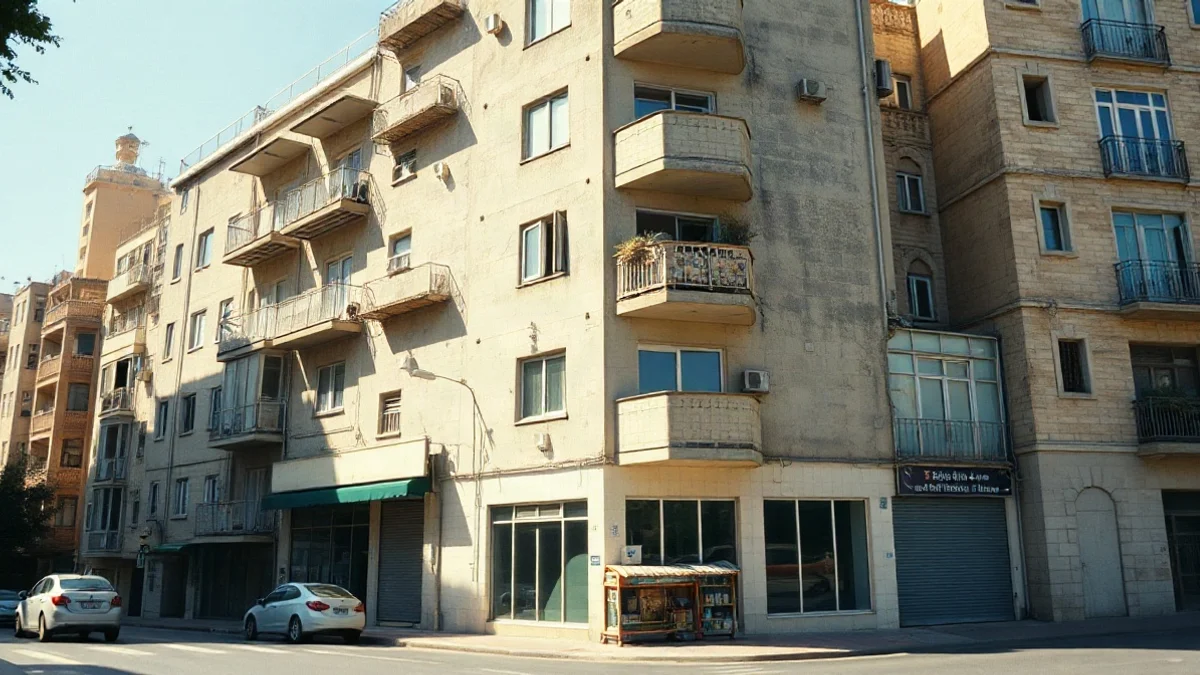
A Jerusalem District Court has ordered approximately 28.08 million shekels in compensation to residents and business owners of a building constructed using the flawed Pal-Kel method nearly four decades ago.
The legal battle concerning the building located at 19 King David Street in downtown Jerusalem spans nearly 20 years. Constructed between 1983 and 1987 by Paz and Alconetren, the building comprises 26 residential apartments, 13 offices, and 14 shops built using the controversial Pal-Kel construction technology.
Decades of Litigation and Safety Concerns
The Pal-Kel method drew intense scrutiny following the 2001 Versailles wedding hall disaster in Jerusalem, where a floor built using the same technology collapsed. In October 2008, property owners filed lawsuits demanding compensation for severe structural defects and reinforcement costs. While the court rejected demands to demolish the entire building, it ruled that the construction method fails to meet Israeli standards and lacks critical structural components, mandating extensive reinforcement works.
The court awarded about 5.47 million shekels for residential floor reinforcement, 7.79 million shekels for apartment restoration, 518,000 shekels for common areas, and 2.05 million shekels for 12 months of alternative rent. Additionally, residents received 1.12 million shekels for emotional distress, alongside 3 million shekels in legal fees and expenses.
Compensation for Commercial Owners
Commercial property owners were also awarded compensation, including 1.19 million shekels for strengthening commercial floors, 2.67 million shekels for restoration, and 3.5 million shekels for depreciation in property value. The court ordered that all funds be transferred to a joint escrow account to finance the upcoming construction works.
Attorney Dror Gadron, representing the tenants, emphasized the broader implications of the verdict: "There are still hundreds of unreinforced Pal-Kel buildings across Israel. This ruling proves that even with engineering approvals and municipal permits, the method remains fundamentally flawed and dangerous."