French Radical-Left Candidate Jean-Luc Melenchon Criticizes Germany in Berlin
Radical-left French presidential candidate Jean-Luc Melenchon visited Berlin to criticize Germany's economic and defense policies, intensifying anxieties among German political circles regarding bilateral ties.
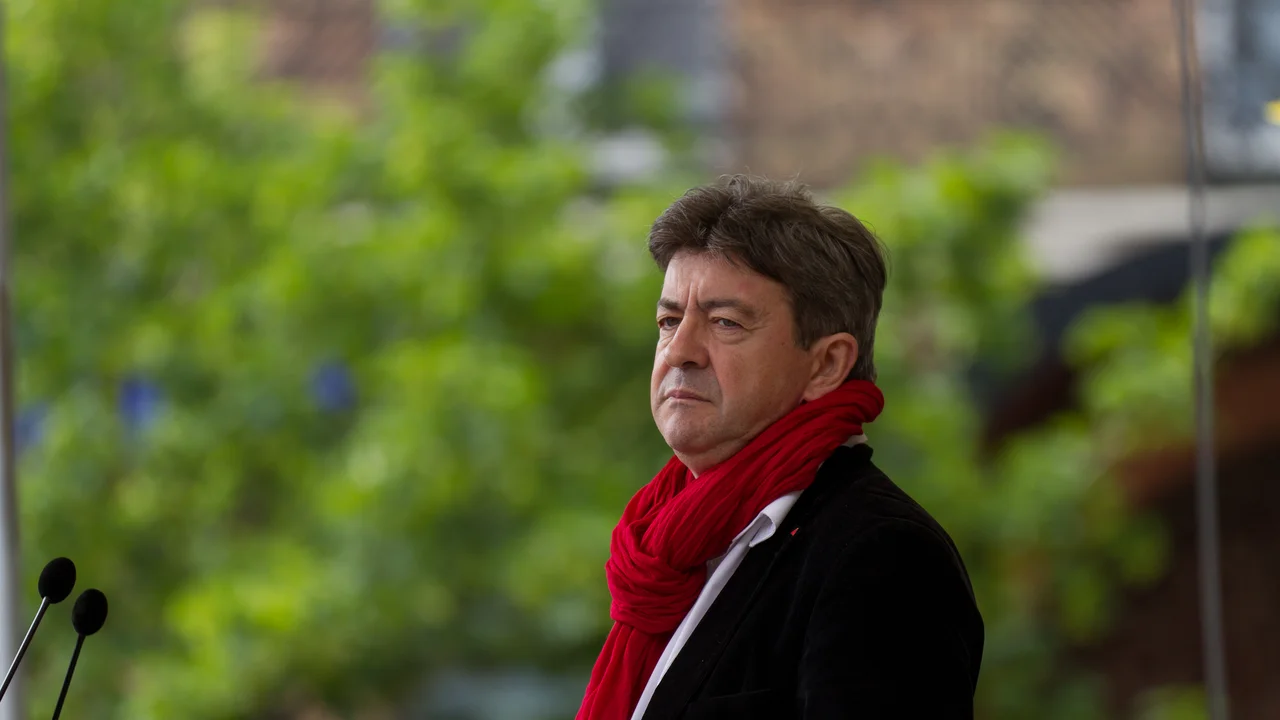
French radical-left presidential candidate Jean-Luc Melenchon has traveled to Berlin to escalate his criticism of Germany's economic and defense policies, sparking deep unease among German political circles. According to reports, Melenchon currently ranks second in polls behind far-right candidate Marine Le Pen. Speaking ahead of a literary event in Berlin, he argued that relations between Paris and Berlin require a profound reassessment, particularly in light of Germany's recent economic shifts and military buildup.
Opposition to German Rearmament
Melenchon criticized the pivot of the German economy toward the defense sector following three years of recession, stating in an interview with French broadcaster LCI that an economy based on weapons inevitably leads to war. He questioned the goals of the rearmament program championed by Federal Chancellor Friedrich Merz, specifically referencing comments regarding the creation of Europe's largest conventional army. During a speech commemorating the end of World War I, Melenchon suggested that German military might could be directed at its neighbors rather than solely protecting Europe against Russia. Jacob Ross, a senior researcher at the German Council on Foreign Relations, described Melenchon's visit to Berlin as a painful wake-up call for local political elites.
Broader Political Concerns in Berlin
Berlin's anxieties extend beyond Melenchon's rhetoric, as Marine Le Pen has similarly criticized Berlin's influence within the European Union, advocating instead for a Europe of nations. Daniela Schwarzer, head of the Hertie School in Berlin, warned that a potential runoff election between Le Pen and Melenchon would amplify anti-German rhetoric, threatening core bilateral cooperation crucial for EU decision-making. Compounding these diplomatic strains, Germany also faces financial reparations demands from nationalist factions in neighboring Poland regarding Nazi war crimes from World War II.
Alliances and Historical Skepticism
Despite accusations of anti-German sentiment, Melenchon's visit was organized by his German publisher with backing from the Rosa Luxemburg Foundation, associated with the German left-wing party Die Linke. During his trip, Melenchon met with Ines Schwerdtner, co-chair of Die Linke, and rejected claims that he harbors animosity toward Germans. Describing himself as a disciple of Karl Marx, Melenchon pointed to decades of sustained skepticism regarding German economic liberalism, dating back to his opposition toward former chancellor Angela Merkel's stance during the euro zone debt crisis. However, polling experts suggest that while Melenchon's anti-German platform appeals to radical supporters, it risks alienating moderate voters necessary for a successful presidential run.