Europe Faces Growing Threat of Mass-Casualty Incidents From Russian Sabotage
A new IISS report warns that surging Russian sabotage operations across Europe threaten to trigger a mass-casualty incident. Attacks targeting rail, energy, and defense networks have risen sharply, posing severe escalation risks.
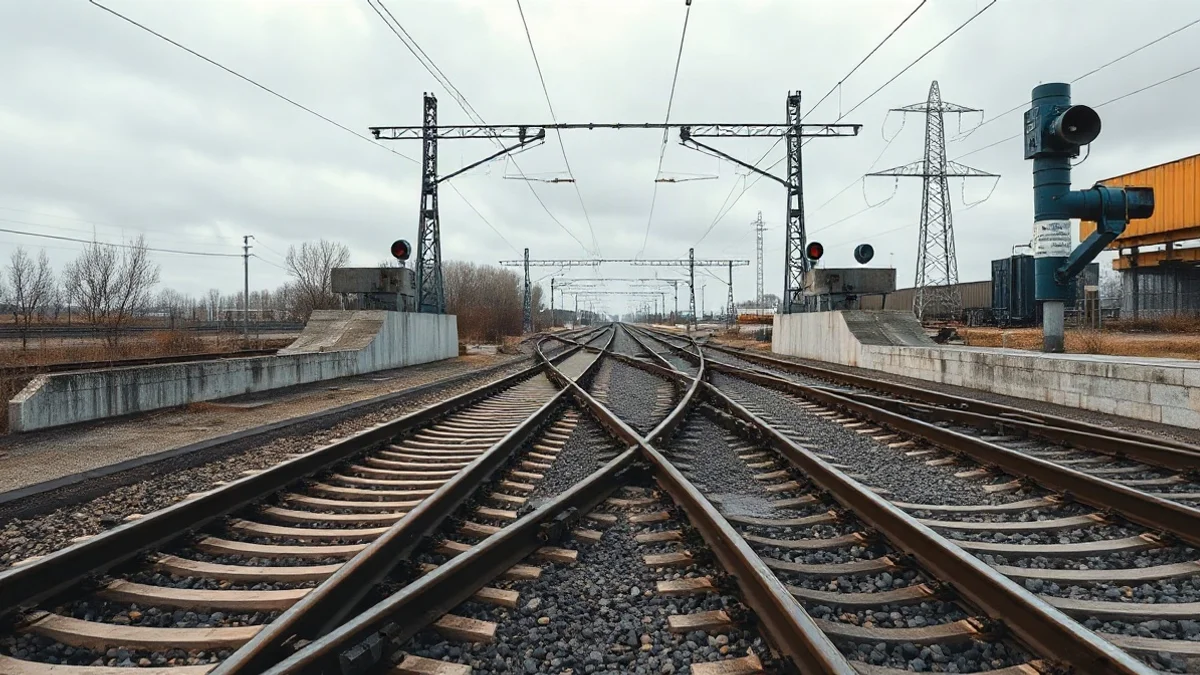
A sharp rise in Russian sabotage operations across Europe has heightened the risk of a mass-casualty incident, according to a newly published report by the International Institute for Strategic Studies (IISS). The study indicates that Russian intelligence agencies and their proxies are actively targeting European railway networks, energy grids, and defense industries in an effort to undermine continental support for Ukraine.
Data from the institute shows that covert sabotage attacks increased by 16 percent over the past year, while the deployment of arson and improvised explosive devices doubled. Researchers warn that this upward trajectory elevates the probability of a major disaster as calculated margins for error continue to shrink. The report further notes that the current climate creates severe concerns regarding potential retaliation and a broader continental escalation.
Targeting Critical Infrastructure in Germany and Poland
According to the findings, Germany and Poland have emerged as the primary focal points of the sabotage campaign due to their vital transportation and industrial networks used for channeling military equipment and aid to Ukraine. More than half of all recorded incidents over the preceding 12 months specifically targeted critical infrastructure assets.
In Poland, authorities documented 29 incidents linked to Moscow between October 2025 and September 2026. Among these was a November 2025 explosion that severely damaged a railway line utilized for supply shipments to Ukraine, alongside a massive shopping center fire in Warsaw in 2024 that Warsaw formally attributed to Russian state actors.
In Germany, investigators uncovered an explosives-laden drone on August 4 near an Antonov cargo aircraft at Leipzig Airport that had been utilized for military logistics. Authorities also suspect that a second drone impacted a DHL cargo plane shortly after regional airspace restrictions were enacted. Additional drone and arson incidents have been recorded across several other European nations, including Estonia, Lithuania, and Romania.
European Response and Kremlin Denials
Law enforcement authorities across Europe have responded by arresting proxy operatives, expelling intelligence personnel, and closing specific Russian consular facilities. However, the IISS report emphasizes that these countermeasures have failed to diminish the appeal of sabotage within the Kremlin's strategic calculus, noting that arrests merely replace low-skilled field agents rather than deterring the directing intelligence services.
Meanwhile, Moscow has flatly rejected allegations leveled by Western governments and intelligence agencies, denying any involvement in the ongoing campaign of drone incursions, arson attacks, and cyber operations designed to destabilize European Union support for Kyiv.
For European capitals, the central challenge remains whether fragmented national security responses can be coalesced into a unified continent-wide strategy before a Russian-directed operation results in severe casualties. Analysts warn that a fatal incident would trigger immense pressure for retaliation while exposing internal divisions among European Union member states, which have yet to establish definitive red lines.