Global Temperatures Exceed Two-Degree Threshold Amid Extreme Weather Events
Global temperatures exceeded pre-industrial averages by over two degrees Celsius for seven consecutive days in November, driven by climate change and El Nino conditions.
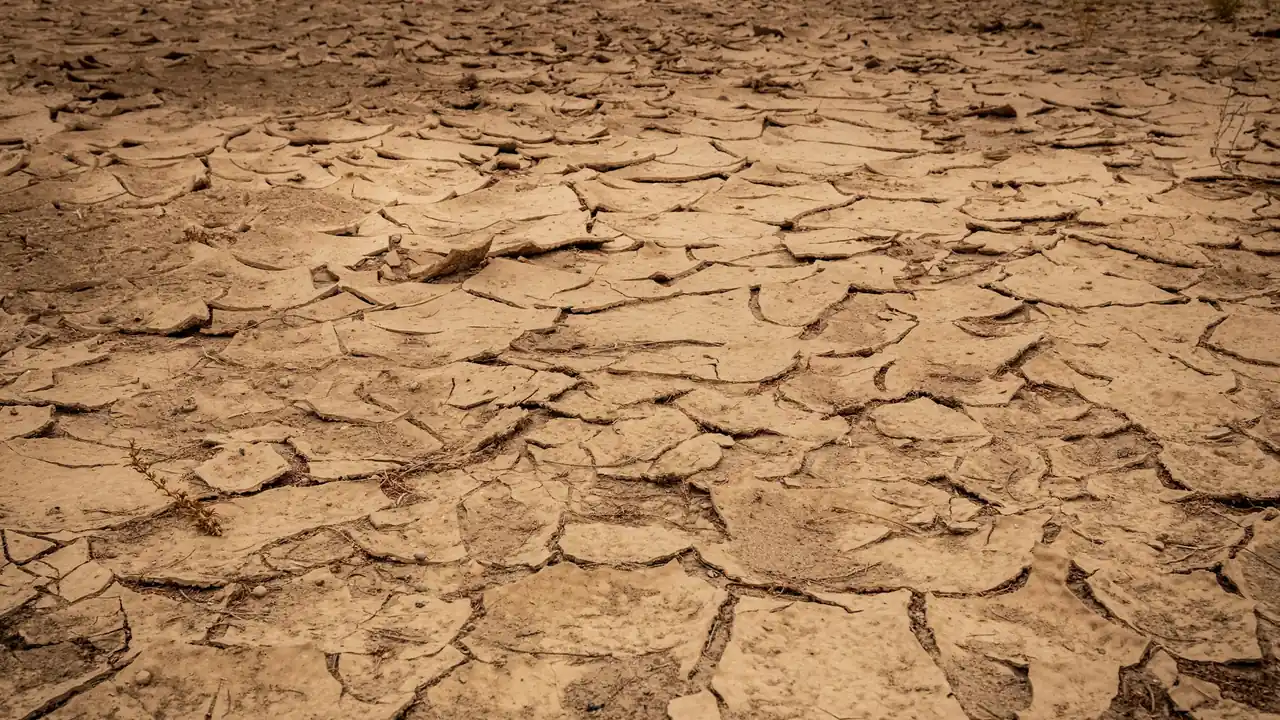
Global temperatures have reached alarming new milestones as preliminary data shows global heat levels exceeded pre-industrial averages by more than two degrees Celsius for seven consecutive days in November. According to European Union Earth observation data from the Copernicus program, global temperatures peaked at 2.25 degrees above the pre-industrial average on Monday. This unprecedented temperature streak coincides with severe weather events across the globe and diplomatic stalemates over climate action.
Scientific Assessment and Greenhouse Gas Pressures
Akshay Deoras, a senior researcher in the Department of Meteorology at the University of Reading in the United Kingdom, pointed to record atmospheric greenhouse gas concentrations combined with the Pacific Ocean's El Nino phenomenon as the primary drivers of these rising temperatures. Samantha Burgess, deputy director of the European Centre for Medium-Range Weather Forecasts, emphasized that while El Nino will eventually pass, the underlying warming driven by greenhouse gas emissions will persist unless global emissions are actively curtailed. The Met Office in the United Kingdom further forecasts an exceptional surge in atmospheric carbon dioxide concentrations for 2027, as El Nino temporarily diminishes the capacity of vegetation, soils, and oceans to absorb carbon.
Severe Storms Impact North America
Simultaneously, powerful storms have battered both the East and West Coasts of the United States. A storm system tracking along the East Coast prompted widespread flight cancellations and left more than 675,000 households without electricity, with Pennsylvania and New Jersey sustaining the heaviest damage. The governors of New York and New Jersey declared states of emergency, while high winds forced the postponement of New York City's Thanksgiving parade to Saturday. The National Weather Service issued warnings regarding heavy rainfall, significant coastal flooding, and gale-force winds. Along the West Coast, flood warnings remained active across California, Oregon, and Washington, with forecasts indicating persistent heavy precipitation, mountain snow, and high surf.
Climate Diplomacy and Long-Term Projections
The abnormal temperature sequence unfolded against the backdrop of failed climate negotiations at the COP31 United Nations summit in Turkey. Nearly 200 nations failed to reach a consensus on a formal declaration addressing the phase-out of fossil fuels, which are widely recognized as a primary driver of climate change. Experts note that daily temperature records do not automatically signify a permanent breach of the 2015 Paris Agreement threshold, which aims to limit global warming to 1.5 degrees Celsius or well below two degrees over a multi-decade span. However, a recent United Nations report concluded that exceeding the 1.5-degree threshold due to anthropogenic activity has become practically unavoidable in the near term.