"I think I will die on this ship": Families of US Navy sailors are furious
A series of meetings between US Navy leadership and families of the "Abraham Lincoln" crew has revealed deep anger over poor conditions, supply shortages, and a lack of communication. Relatives expressed outrage over the prolonged mission and the political nature of the war against Iran.
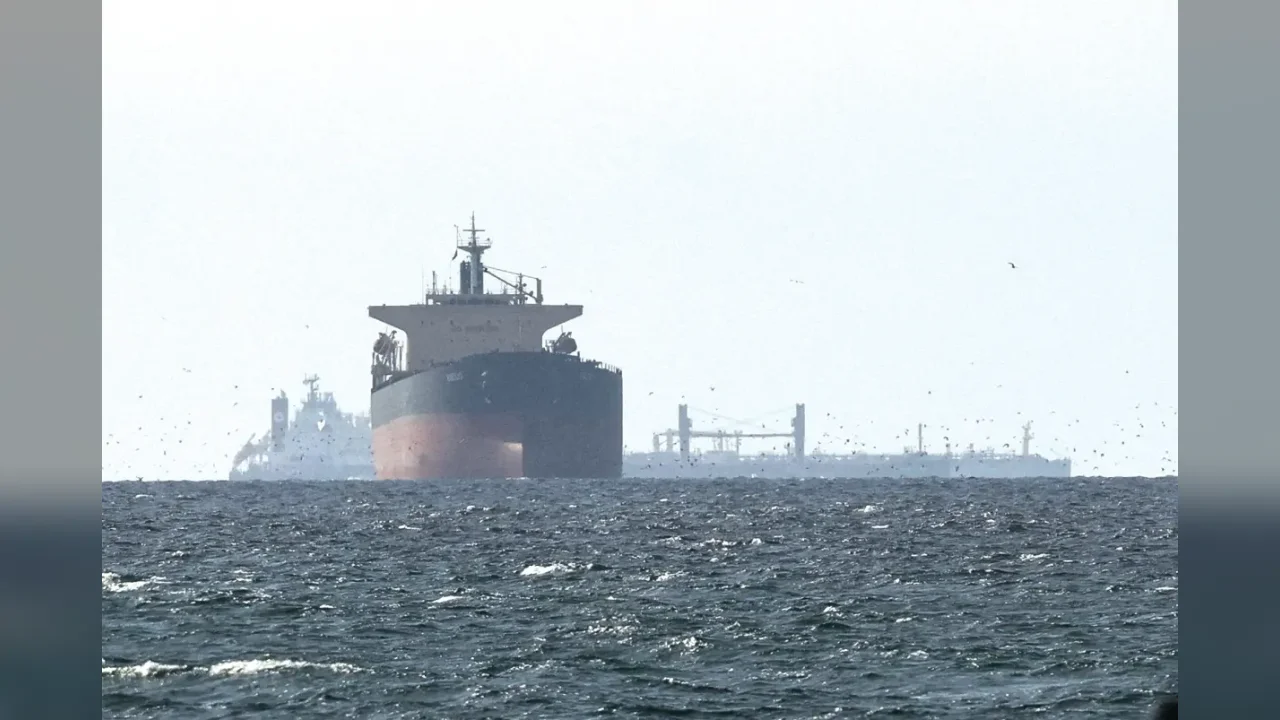
Fury has erupted in the US following revelations about the conditions faced by personnel aboard the aircraft carrier "Abraham Lincoln," which has been on active duty for 260 days due to the war against Iran.
In a heated face-to-face confrontation on Thursday night in San Diego, families of sailors, pilots, and combatants expressed anger at Acting Secretary of the Navy Hung Cao regarding the difficult conditions aboard the ship and the lack of a clear return date. Tensions continued during a separate virtual meeting later that evening between Navy leadership and family members of the 5,000 personnel aboard the Lincoln, according to recordings reviewed by the news site MS NOW.
At both meetings, family members raised concerns about the mental health and safety of their loved ones. The carrier has set a modern record for consecutive days at sea during the ongoing war. Issues cited include supply shortages, food scarcity, water contamination, and mail system disruptions that have resulted in the loss of numerous care packages.
When asked when their relatives would return home, officials provided no definitive answer. At the public meeting at North Island Naval Base, Cao stated that the Navy is preparing the carrier strike group "Theodore Roosevelt" to deploy to the Middle East and relieve the Lincoln.
"Killing innocents"
Approximately 200 family members gathered at the base's Island Club to demand answers. Spouses of sailors often teared up while questioning leadership about mental health support and exhaustion. One parent stated their daughter feels she will never return home and believes she will die on the ship.
Some of the anger is driven by the growing unpopularity of the war. One woman questioned the mission, stating it is difficult to be proud of her sailor when she believes the military is "killing innocent civilians" and her sailor has expressed guilt over his actions. Her statement was met with applause from the audience.
"We prioritized food supplies"
Vice Admiral Joseph Cahill and Vice Admiral Douglas Verissimo, senior commanders of the Pacific Fleet, addressed the attendees, praising the professionalism and grit of the sailors.
Commanders discussed the unique supply chain challenges that worsened with the escalation of fighting in the spring. Verissimo explained that the active war with Iran in the Persian Gulf hindered supplies from the 5th Fleet base in Bahrain following Iranian attacks that disabled the fleet's logistics hub.
"When Bahrain was no longer a port for logistics, food, and mail... all the equipment that was there when the fighting started got stuck there," Verissimo said. He noted that the Navy prioritized food, followed by ship store items like shampoo and toothpaste, and finally mail. Officials added that delivering fresh produce remains a challenge due to spoilage during long transit times.