US Vice President JD Vance Delays 2028 White House Decision Until Spring
US Vice President JD Vance will delay any decision on a 2028 presidential run until next spring, as Republicans weigh midterm losses and the fallout from the conflict in Iran.
US Vice President JD Vance will not reach a final decision on a potential 2028 presidential run before next year and may wait until late spring to make his intentions public, according to sources familiar with his plans. The timeline emerges amid mounting debate within Republican circles following the party's defeat in the midterm elections, which has cast a shadow over future political prospects.
Strategic Dilemmas and Family Considerations
Recent reports indicate that Vance is carefully weighing his political ambitions against the need to rebuild the MAGA coalition that returned Donald Trump to the White House in 2024, alongside his commitments to his family following the birth of their fourth child. Associates describe a leader who remains young enough to wait for alternative political opportunities if he chooses to bypass the next cycle. Discussions with his wife, Usha, and close family members remain ongoing, and advisors stress that his decision-making timeline was established well before the midterms, though schedules remain fluid.
The Shadow of Foreign Policy and the Iran Conflict
A central factor in Vance's deliberations is the ongoing conflict involving Iran. Sources report that the Vice President voiced opposition to the war in private conversations, and his post-election critiques have been interpreted by some as an effort to distance himself from President Trump's military decisions. One ally remarked bluntly on the political calculus:
"If they do not end the war in Iran, no Republican has a chance in 2028."
Furthermore, Vance's post-midterm calls to reassess US relations with Israel have drawn intense scrutiny, presenting potential hurdles for any future campaign.
Party Dynamics and Potential Challengers
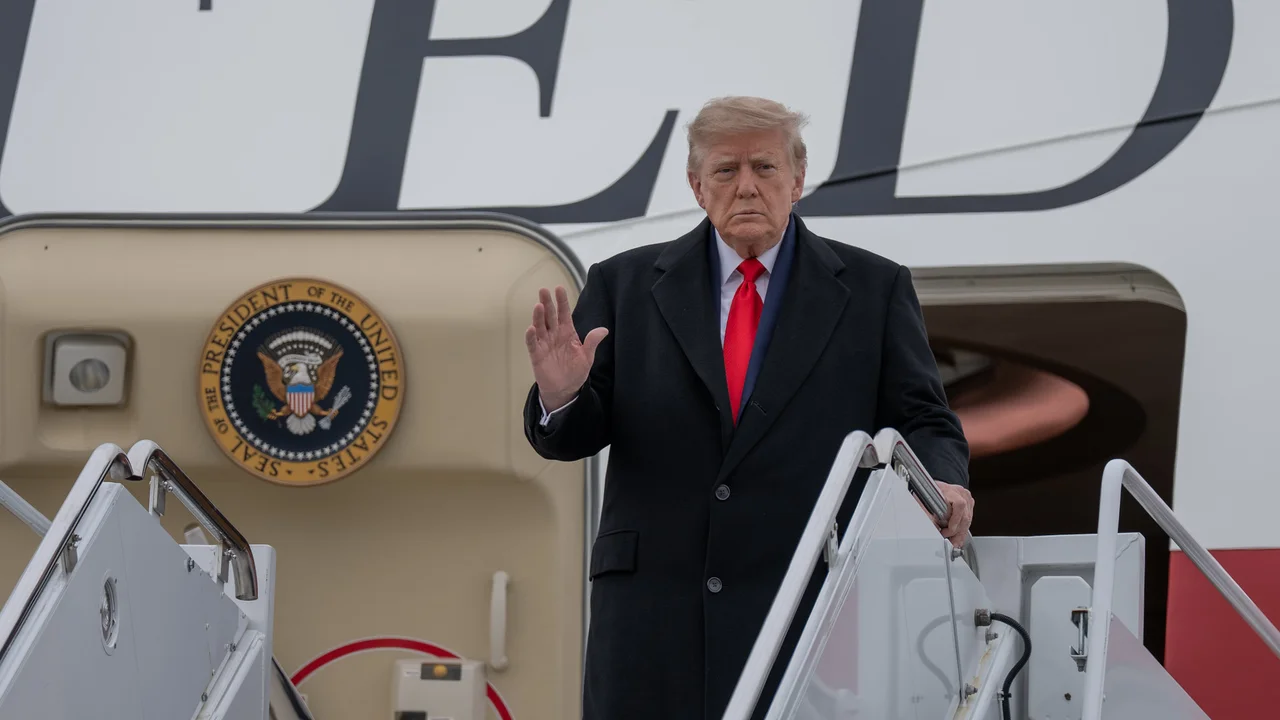
President Trump himself remains a key consideration, with associates noting that Vance fears an early campaign launch would detract attention from the current administration and displease the President. While Trump acknowledged that some critics disliked his deputy's remarks on Iran, he maintained that their relationship has not been compromised. Despite the uncertainties, allies insist that Vance remains the frontrunner in potential Republican primaries, backed by a formidable network of donors including Peter Thiel, David Sacks, and Elon Musk.
At the same time, potential rivals are positioning themselves for the 2028 race. Teams for Texas Senator Ted Cruz have already held exploratory meetings, while US Secretary of State Marco Rubio is viewed by many as a significant contender, despite previously stating he would support Vance if the Vice President decides to run.