Nearly One in Five Israeli Teachers Weighs Leaving Profession Amid Mounting Burnout
A new RAMA survey reveals that one in five Israeli teachers is considering leaving the profession due to burnout, heavy workloads, and rising safety concerns. Despite high job satisfaction, educators cite severe infrastructure shortages and administrative challenges.
A comprehensive new survey conducted by the National Authority for Measurement and Evaluation in Education (RAMA) reveals that nearly one in five teachers in Israel is considering leaving the profession due to mounting workloads, burnout, and safety concerns. The study, which polled over 27,000 educators from first through twelfth grades during the 2024-2025 academic year, paints a challenging picture of the nation's classrooms.
According to the findings, 31% of teachers reported experiencing professional burnout—an increase from 27% the previous year—while 49% feel overwhelmed by excessive workloads. Furthermore, 24% stated they are exhausted by teaching, and 21% are actively debating whether to remain in education. These figures emerge against the backdrop of an ongoing dispute between Education Minister Yoav Kisch and RAMA following disagreements over national assessment results.
Violence and Safety Concerns
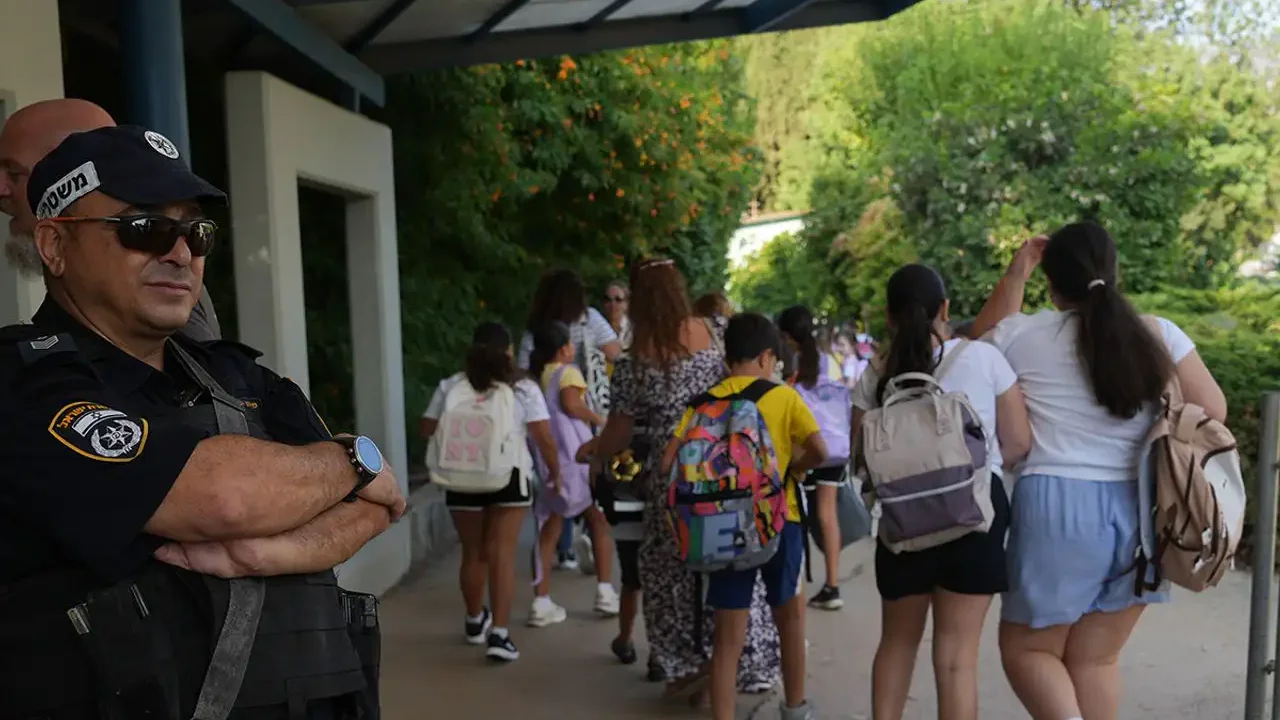
Beyond administrative burdens and burnout, teachers face alarming incidents of violence from students and parents. Recent weeks have seen severe attacks, including a student in the Golan Heights assaulting a teacher, and a Kfar Sava student biting a vice-principal. The survey indicates that 9% of educators do not feel safe at school, with the highest insecurity rates reported in East Jerusalem at 14%.
Despite widespread exhaustion, 89% of respondents expressed general satisfaction with their work, though only 65% feel they are able to drive meaningful change. Middle school teachers reported the lowest satisfaction levels, highlighting the complex reality where finding professional meaning clashes with daily hardships.
Technology Gaps and Basic Infrastructure
The survey also examined the integration of artificial intelligence in schools. While 76% of teachers participated in AI-related professional development, only 51% feel equipped with the necessary knowledge to guide their students. Additionally, 26% reported a lack of basic infrastructure, such as proper workspaces, private meeting areas, or computers.
When asked what would most improve their daily work experience, 31% pointed to stronger administrative support and trust from school leadership, while another 31% emphasized the urgent need for improved physical work environments and infrastructure.