Israel Approves 2.3% Water Tariff Hike Amid Drought and Infrastructure Pressures
Israel's Water Authority council approved a 2.3% water tariff hike starting in January, overriding calls for a double increase to fund infrastructure as the OECD warns of severe long-term droughts.
The Israel Water Authority council has voted to raise water tariffs by approximately 2.3% starting January 1, overriding requests from the Ministry of Finance and the Ministry of Environmental Protection for a significantly steeper hike to finance critical infrastructure investments.
According to the draft decision published for public review, the price increase will apply uniformly to both the base consumption tier and excess usage. The adjustment is projected to add between 40 and 55 shekels annually to the utility expenses of an average household, injecting approximately 230 million shekels into the national water economy.
Disagreements Behind the Scenes
Financial and environmental regulators had pushed for a tariff increase double the approved rate to fund wastewater treatment plants and modern municipal water corporations. However, the Ministry of Energy opposed a larger hike over concerns regarding escalating living costs for households.
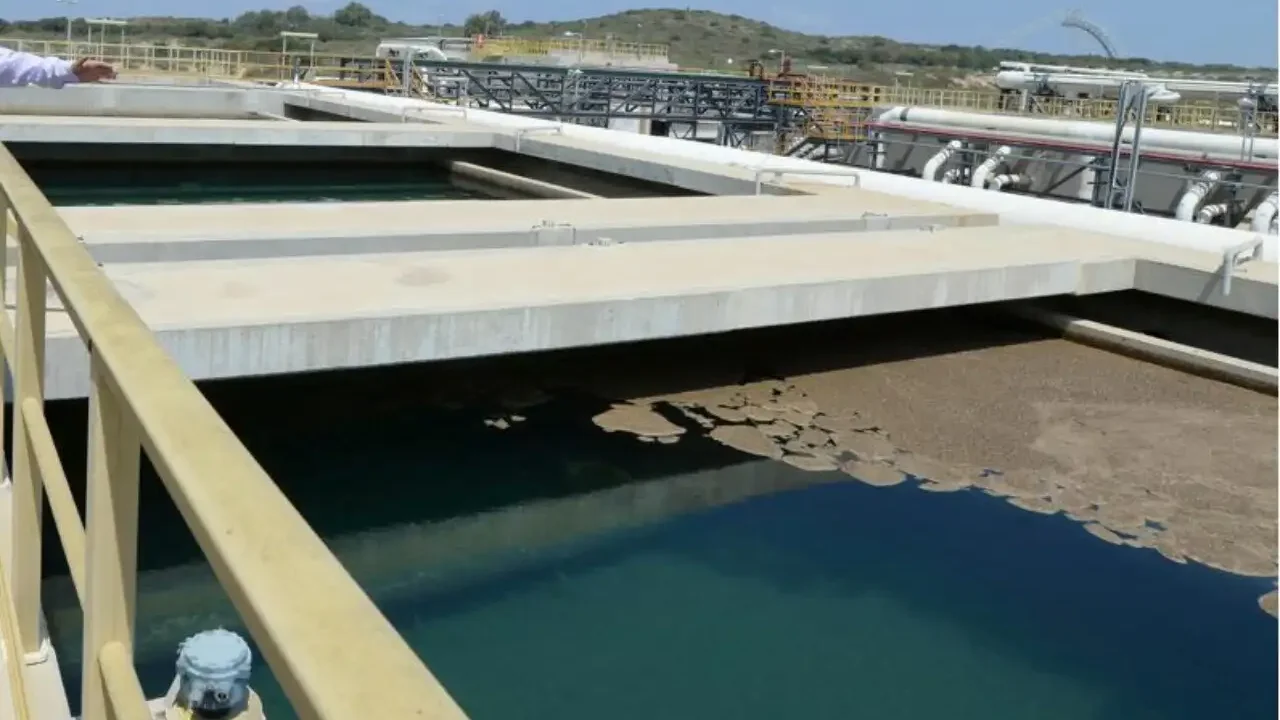
The council narrowly approved the measure by a 4-vote to 3 margin after cutting projected desalination procurement costs for 2027 by 61 million shekels. The calculation also accounts for 120 million shekels spent by the state this year to address widespread algae blooms that temporarily shut down five of Israel's six major desalination facilities.
Climate Change and Long-Term Drought Risks
The decision comes against the backdrop of growing warnings regarding climate change. A recent report by the OECD ranks Israel among Mediterranean nations facing the most severe long-term drought risks by the end of the century, compounding chronic water shortages driven by consecutive dry years and surging demand.