Vanlife in Israel: Can Mobile Homes Solve the Housing Crisis?
Living in mobile homes and campervans is gaining popularity in Israel as an alternative to soaring housing costs, but owners face steep maintenance, strict regulations, and high campsite fees.
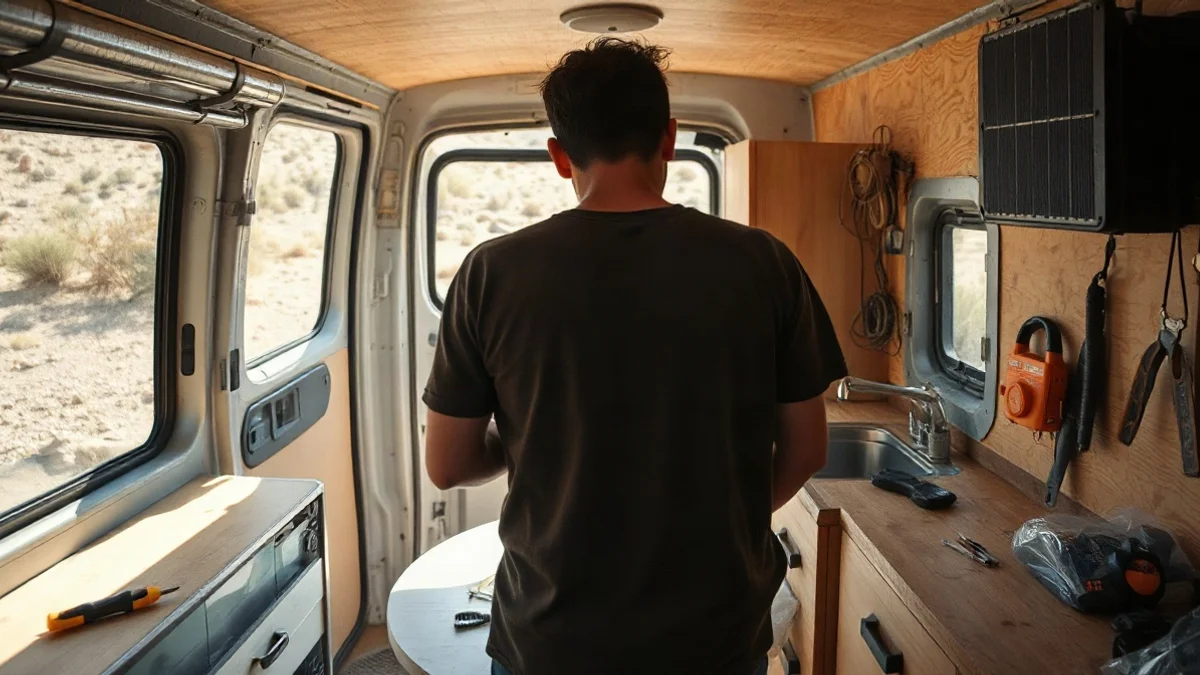
The romanticized dream of living on wheels—popularized by endless open roads and changing morning views—faces a harsh economic and bureaucratic reality in Israel. Amid soaring housing costs and expensive rent or mortgages, an increasing number of Israelis are exploring mobile living as an alternative lifestyle. However, transitioning into a campervan involves significant challenges, ranging from mechanical breakdowns and extensive renovations to strict regulatory hurdles.
Many mobile home owners purchase older vehicles, requiring technical skills and constant maintenance. For example, one resident converted a former 14-seat commercial shuttle into a fully equipped mobile home, complete with solar water heating and even a compact dishwasher. Another owner relies on a classic 1987 Fiat Ducato, embracing the vintage charm despite outdated audio systems and the occasional mechanical failure. Yet, owners emphasize the emotional and psychological rewards of their lifestyle, describing the profound sense of freedom found by waking up next to a stream rather than paying exorbitant urban rent.
Bureaucratic Obstacles and Camping Restrictions
Despite the appeal of financial independence, living in a mobile home in Israel comes with distinct disadvantages. Regulations and enforcement present a major barrier for vanlifers. A recently discharged IDF reservist noted the deep dissonance of defending the country only to face immediate fines and forced eviction by police and nature reserve inspectors when parking near beaches or public spaces. Campers frequently feel unwelcome, as current municipal laws and enforcement policies fail to accommodate permanent or semi-permanent mobile residences.
Furthermore, the financial calculus of vanlife is more complex than simply eliminating rent. While everyday expenses can drop significantly, vehicle insurance, fuel, and ongoing repairs add up quickly. Finding a legal place to park is another critical hurdle. Overnight stays at official Nature and Parks Authority campsites range from 230 to 305 NIS per night for a couple, which can quickly accumulate to thousands of shekels monthly if used regularly, rivaling traditional rental costs.
Market Prices and the Housing Crisis
For those looking to enter the market, prices vary significantly depending on the vehicle type. New trailer-style campers listed on local platforms range from 49,900 to 59,900 NIS. Meanwhile, used motorhomes command higher base prices: a 2013 model sells for roughly 120,000 NIS, while newer 2019 models can reach 189,000 NIS. These figures represent baseline costs and rarely include the extensive investments needed for comfortable full-time living.
Ultimately, experts note that vanlife in Israel is not yet a viable, low-cost solution to the housing crisis. Without designated urban camping infrastructure, affordable long-term parking, and supportive legislation, living on wheels remains an idealistic pursuit rather than a practical alternative to traditional housing.