Israel Faces Critical Shortage of 10,000 Professional Truck Drivers
Israel faces a critical shortage of over 10,000 professional truck drivers, causing port bottlenecks, surging transport costs, and threatening major infrastructure projects like the national metro.
Israel is facing a severe shortage of over 10,000 professional truck and heavy vehicle drivers, threatening the nation's supply chains, infrastructure projects, and the cost of living. The crisis, driven by bureaucratic hurdles and a poor public image of the profession rather than low wages, is already causing major disruptions across the economy.
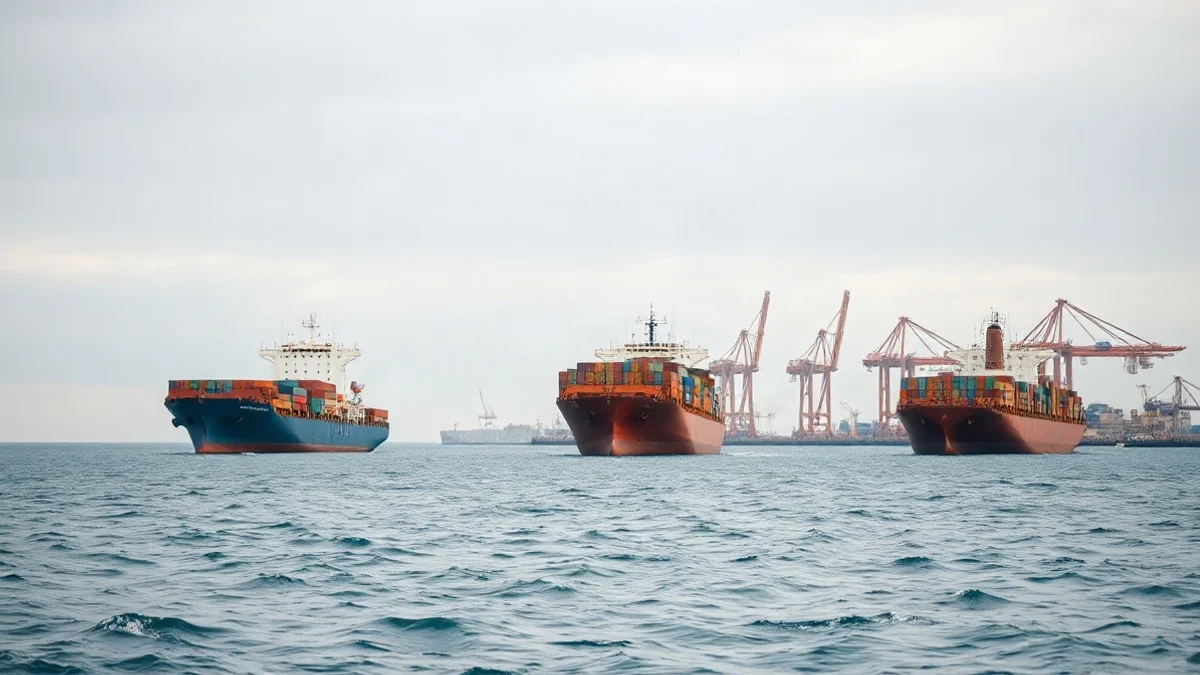
According to reports from the Manufacturers Association of Israel and the State Comptroller, up to 80 ships daily are stranded off Israeli ports due to a lack of operators to unload and transport goods. This congestion costs the economy between 50 million and 80 million shekels per day, directly fueling inflation and driving up consumer prices for everyday goods.
High Wages Fail to Fill the Gap
Contrary to popular assumption, the shortage is not caused by inadequate compensation. Semi-trailer drivers in Israel earn more than double the national average, with net monthly salaries ranging between 10,000 and 12,000 shekels, alongside comprehensive social benefits including mandatory pensions, disability coverage, and professional bonuses. Labor costs already account for roughly 35% of transport expenses, surpassing the cost of diesel fuel.
However, further wage hikes would simply be passed on to consumers, accelerating inflation across agriculture, industry, construction, and defense sectors.
The Urgent Solution: Controlled Import of Foreign Drivers
Industry leaders emphasize that the only immediate and viable solution to prevent logistics gridlock is the regulated recruitment of foreign professional drivers. Experts argue this measure would mirror successful foreign labor frameworks implemented in garage maintenance and infrastructure sectors.
Proponents stress that foreign workers would receive identical wages and employment terms as Israeli drivers, safeguarding local labor standards while closing a critical labor gap. Without immediate quotas, upcoming national megaprojects—including the metropolitan metro network, which requires 3,000 dedicated daily trucks—face severe delays and potential paralysis, threatening Israel's economic resilience.