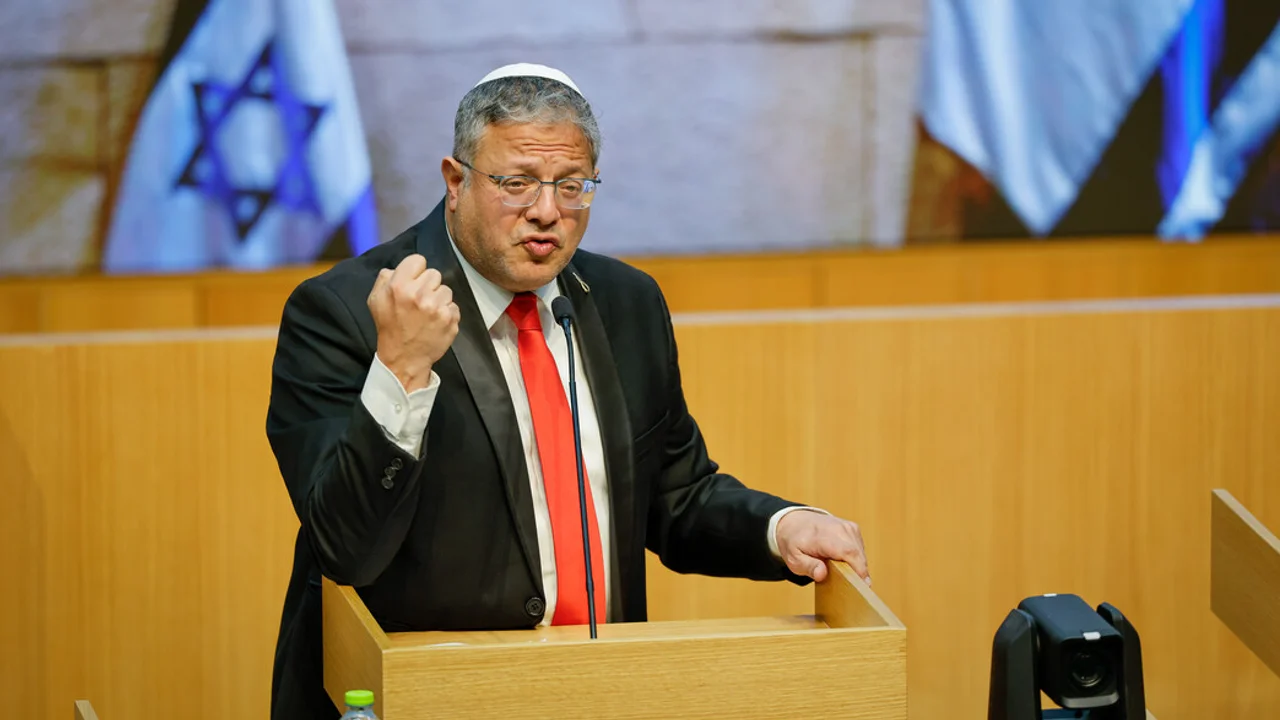
Israel Treasury Prepares for 2027 Continuation Budget Amid Political Risks
The Israeli Ministry of Finance is preparing for a continuation budget in early 2027 amid risks of political gridlock and potential snap elections, threatening long-term reforms and fiscal planning.
The Israeli Ministry of Finance is preparing for a continuation budget at the beginning of 2027 amid concerns over potential political gridlock and snap elections. Because several defense expenditures are not part of the permanent budget baseline, the upcoming budget is expected to be tens of billions of shekels smaller than the current one.
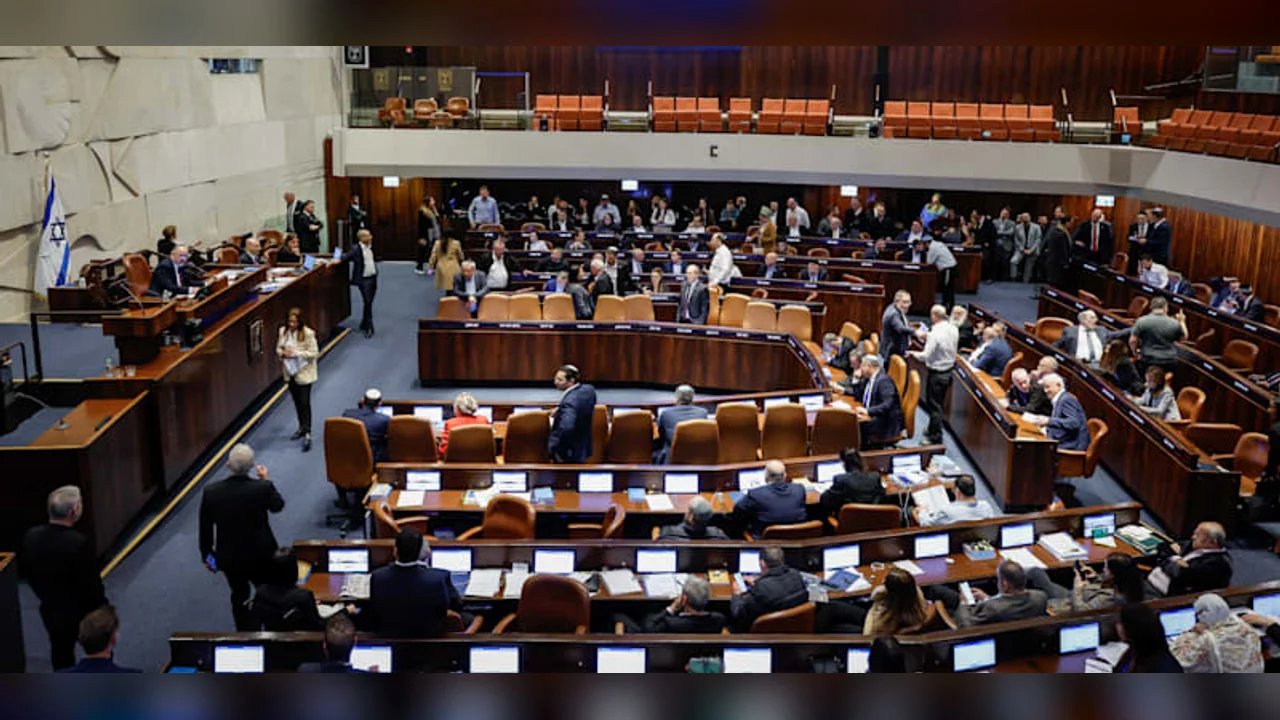
On November 10, the newly elected Knesset will be sworn in, operating initially through an organizing committee alongside temporary foreign affairs, defense, and finance committees. According to media reports, the incoming opposition also intends to establish additional committees aimed at repealing recent government-sponsored legislation.
President Isaac Herzog is expected to begin consultations at the residence this week ahead of tasking a lawmaker with forming a government. The designated candidate will receive 28 days, with a possible 14-day extension. Consequently, even if the initial attempt succeeds, a new cabinet would likely be sworn in only during December, requiring a state budget approval by April.
Continuation Budget Implications
Under such circumstances, 2027 would commence with a continuation budget for the first quarter, limiting monthly expenditures to one-twelfth of the previous state budget. While this mechanism curtails short-term government spending, it hampers long-term planning, structural reforms, and planned tax hikes necessary for economic growth.
Rating agencies Fitch and Moody's recently published assessments on the political and fiscal outlook. Fitch estimated that the most probable scenario involves dissolving the parliament in early January and holding new elections in April. Moody's noted that while the identity of the next government would not immediately alter Israel's credit quality due to broad policy alignments, institutional strength and judicial independence remain key concerns.
The continuation budget poses structural challenges, particularly regarding defense spending. Temporary war-related funding allocations, alongside tens of billions of shekels in outstanding debts to defense contractors, complicate financial forecasting. Ministry officials must prioritize mandatory contractual obligations before allocating funds to civilian and economic sectors.