Israel Advances Sharon Power Plants to Meet Rising Electricity Demand
Israel is advancing plans for new natural gas power plants in the Sharon and Shephelah regions to counter rising electricity demand, sparking legal challenges from local councils over environmental and security concerns.
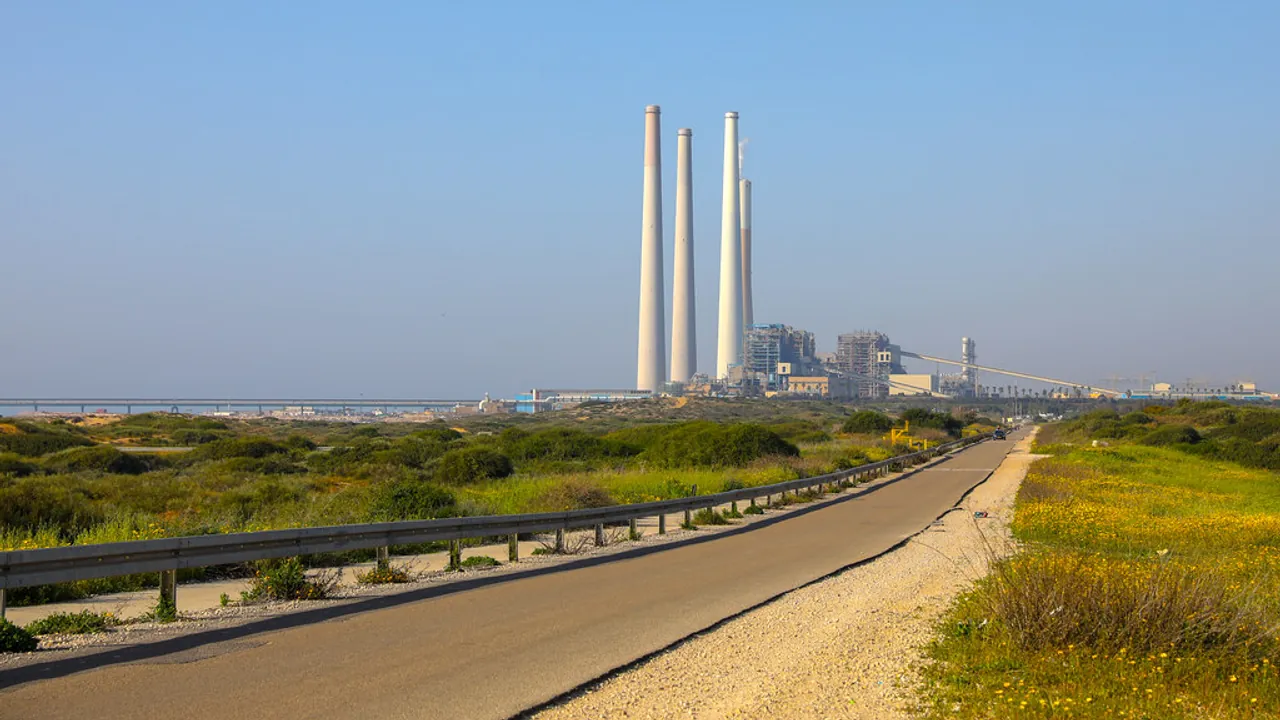
Israel is advancing plans to construct a series of new natural gas-fired power plants, primarily concentrated in the central Sharon and Shephelah regions, to counter a projected surge in domestic electricity demand. The interim government recently approved the preliminary advancement of three new gas turbines, located in Palmachim and the Sharon area. Meanwhile, legal battles are unfolding in the High Court of Justice, where regional councils such as Emek Hefer and Menashe are challenging the planned installation of multiple gas-powered facilities within their municipal boundaries.
Energy Security and Rising Demand
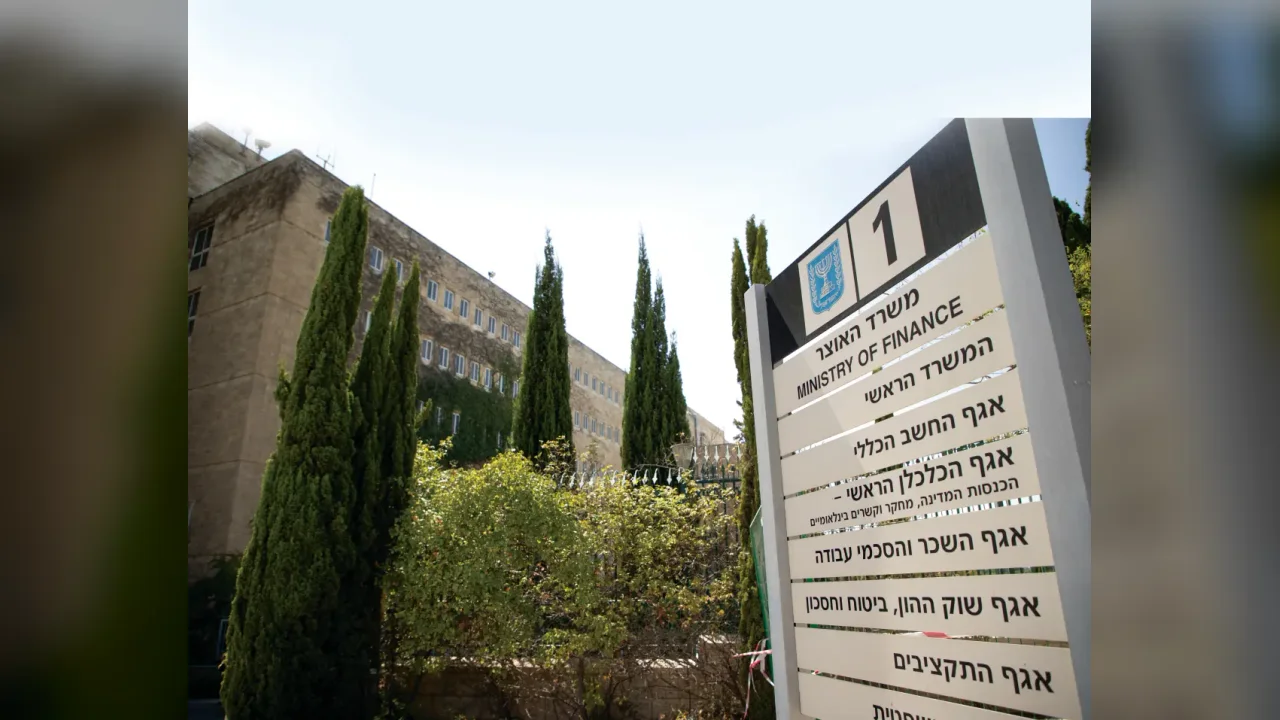
State planning bodies, including the Ministry of Finance, the Ministry of Energy and Infrastructure, the Electricity Authority, and the system operator Noga, have warned that Israel faces a potential electricity deficit. Electricity consumption is expanding by roughly 3.5 percent annually, driven by population growth, data centers, and the electrification of transportation. To prevent shortages, the government approved a master plan to establish 19 power plants, targeting 13 completions by 2040 with a total capacity of 9,000 megawatts.
Private energy developers are playing a central role in this expansion by identifying prospective land parcels, often leasing agricultural land from kibbutzim and moshavim, and initiating planning proposals. This developer-led model bypasses standard lengthy land allocation procedures by the Israel Land Authority. However, local authorities and residents argue that the approach concentrates heavy industrial infrastructure in populated areas without adequate public consultation or comprehensive environmental oversight.
Environmental and Security Concerns
Regional leaders object to the proximity of the proposed plants to residential neighborhoods, warning of compounded environmental degradation. Emek Hefer Council Head Dr. Galit Shaul criticized the planning mechanism, stating that private developers reap substantial financial gains while surrounding communities absorb the industrial burden.
"The state has handed capital owners a gift by granting them control over the placement of power plants, while neighboring residents face multiple new facilities and industrial chimneys," Shaul emphasized.
Environmental advocates and municipal leaders also point to cumulative air pollution, diesel storage risks, and strategic vulnerabilities near the Green Line, citing expert assessments that energy installations could attract drone or missile attacks. State representatives maintain that detailed environmental, safety, and security reviews will take place during subsequent planning stages in the National Planning and Building Commission for Prioritized Housing Areas, known as the VATAL.
Future Outlook for the Energy Sector
While newer gas turbines utilize advanced H-class technology and emit significantly less pollution than aging coal-fired units such as the Orot Rabin station in Hadera, local councils remain skeptical. They fear that what the government designates as a flexible planning inventory will ultimately materialize into full operational capacity across the central region. As energy firms continue to pursue new ventures, including proposals in the Haifa Bay area, the debate underscores the delicate balance between securing Israel's long-term energy independence and preserving environmental health.