Arab Women Microloan Initiative Generates 1 Billion Shekels in GDP
A microloan program for Arab women entrepreneurs has generated 1 billion shekels in cumulative GDP growth from a 15 million shekel investment, boasting a 99 percent repayment rate and 96 percent business survival.
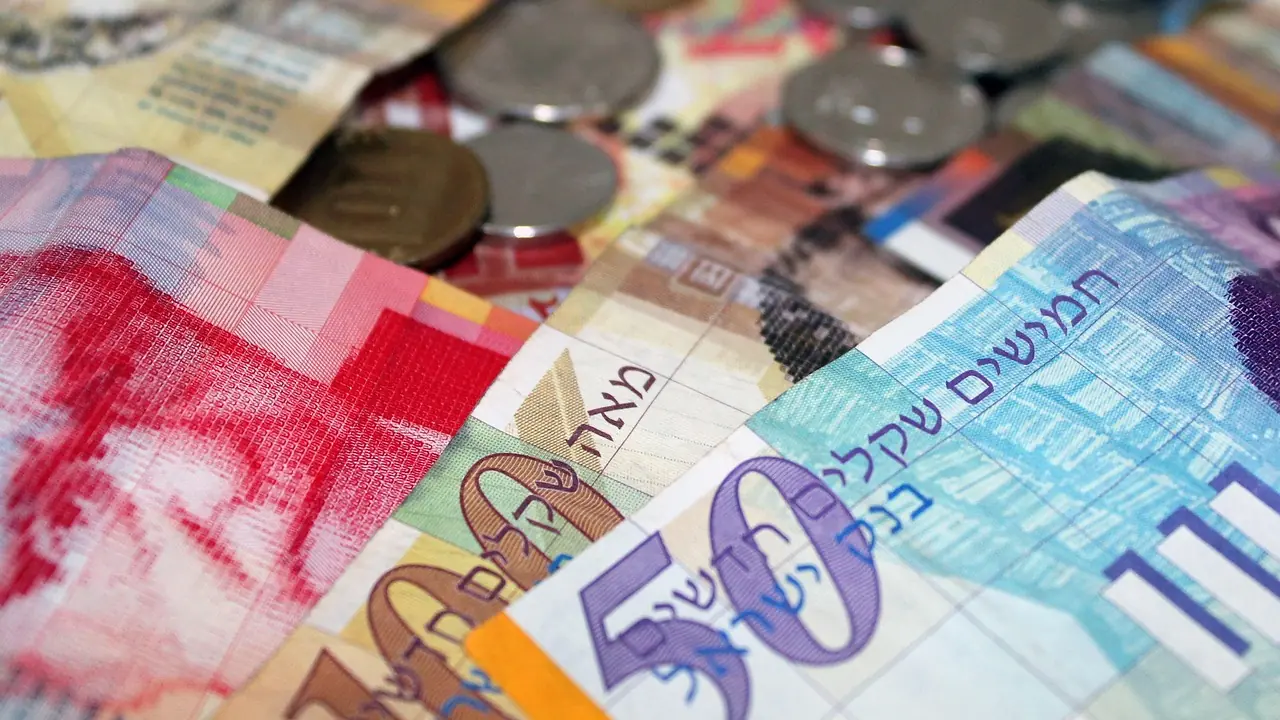
A microloan initiative targeting Arab women entrepreneurs has generated a cumulative direct gross domestic product addition of 1 billion shekels, according to a research and evaluation report. The SAWA program, operated jointly by the Koret Israel Fund and the Ministry of Economy and Industry, deployed 15 million shekels in microloans while producing an annual income increase of 138 million shekels for 8,400 loan recipients.
The research report, conducted by strategic consulting firm Naas under the leadership of Dr. Nasreen Hadj Yahia, indicates that every shekel invested by the government yields an additional 97 shekels in income. The initiative relies on a high repayment rate of 99 percent and a business survival rate of 96 percent, aided by the fact that 88 percent of these ventures operate from home with minimal overhead costs. Operating since 2006 across 74 localities with government co-funding since 2011, the program has disbursed 19,250 loans averaging 8,500 shekels each to roughly 8,400 women.
Group Lending Model and Social Impact
The financing model requires participants to form groups and act as mutual guarantors for one another. This peer structure generates strong social accountability, driving the 99 percent repayment rate. Program overhead costs total 5 million shekels annually, funded by the Ministry of Economy and Industry, the Koret Israel Fund, and 1.2 million shekels generated from loan proceeds.
Before launching their businesses, 35 percent of participating women were unemployed, and the initiative has created 3,700 new jobs. The vast majority of participants are married mothers, with average households comprising six individuals and up to ten in the southern region. Furthermore, 56 percent of the participants hold primary or secondary school education.
Business Sectors and Economic Reach
The businesses supported by the program span several micro-enterprise categories:
- Commerce and retail: 24 percent
- Apparel and textiles: 21 percent
- Beauty and cosmetics treatments: 18 percent
- Food production and home cooking: 15 percent
- Livestock raising: 12 percent
- Arts and crafts: 6 percent
- Caregiving, education, and afternoon daycare programs: 4 percent
The average monthly income increase stands at 1,450 shekels, translating to approximately 17,500 shekels annually. Koret Israel Fund CEO Adi Azaria noted that the initiative acts as a powerful driver of social mobility, granting women financial independence and elevated status within their households. Direct annual income additions reached 138 million shekels by 2025, while the cumulative economic impact on the GDP reaches 1.6 billion shekels when factoring in broader environmental multiplier effects.