Israel Meat Price War: Chain Slashes Fresh Chicken to 10 Shekels a Kilo
A major meat price war breaks out in Israel as Salah Dabbah and Sons launches a massive promotion offering fresh chicken quarters at 10 shekels per kilogram, challenging top rivals Rami Levy and Yochananof.
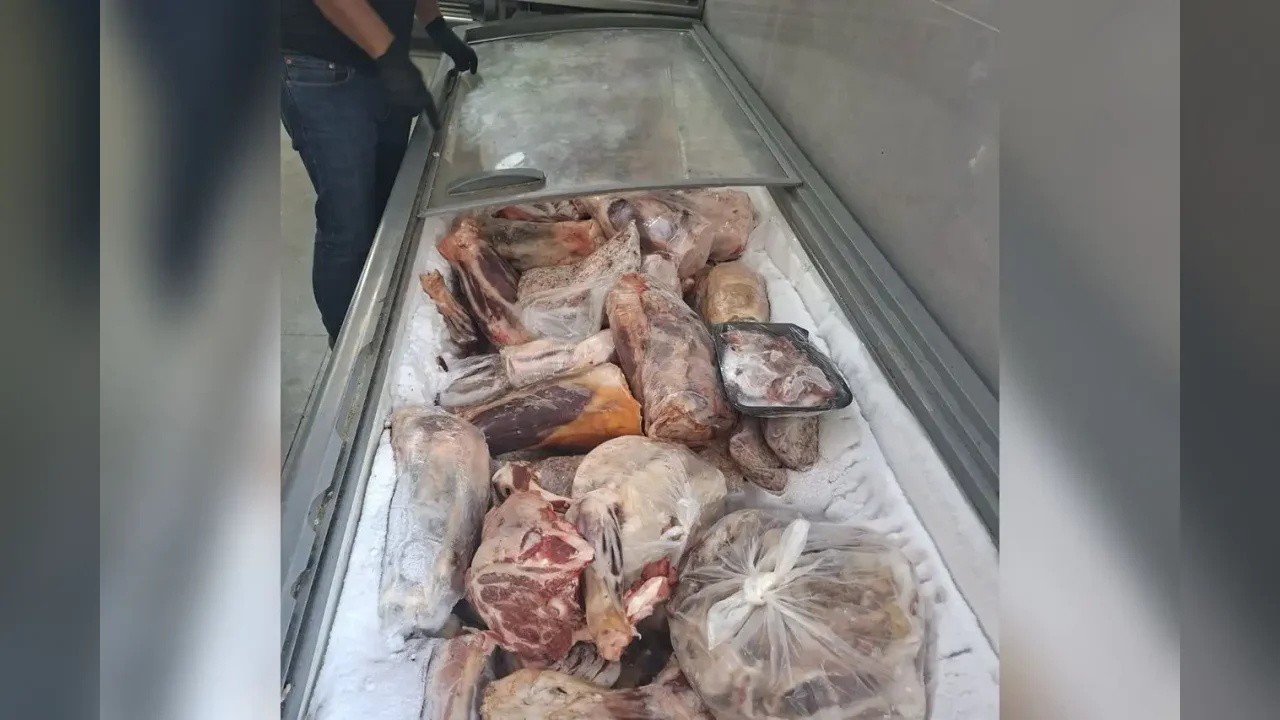
The fresh meat and poultry counter has emerged as a central battleground in Israel's retail food sector as households continue grappling with a severe cost-of-living crisis. While meat departments were once viewed merely as a supplementary stop for weekly groceries, competitive pricing at the butcher counter now serves as a decisive factor when consumers choose where to shop.
The Scale of the Meat Carnival Promotion
Salah Dabbah and Sons, a retail chain renowned for its specialization in fresh meat and poultry, is launching a major sales campaign titled "Meat Carnival". Most deals in the promotion are structured around quantity bundles requiring the purchase of three kilograms at a fixed price, with the exception of lamb t-bone cuts. The headline-grabbing prices feature chicken quarters and turkey wings priced at just 10 shekels per kilogram. By comparison, competing supermarket chains frequently sell fresh chicken quarters for upwards of 20 shekels per kilogram, meaning the price gap can exceed 50%. Under this promotion, three kilograms totaling 30 shekels would cost 60 shekels or more at rival stores, illustrating the dramatic variance in basic grocery pricing across retail outlets.
To understand why the butcher counter has become such a fierce competitive arena, analysts point to domestic consumption patterns. With annual poultry consumption hovering around 51 kilograms per capita, every single-shekel difference in the per-kilogram price translates to an annual impact of roughly 51 shekels per individual, or about 200 shekels annually for a family of four. Because poultry, chicken breasts, cutlets, and beef form a staple of daily cooking, butcher counter pricing heavily influences overall store selection compared to single packaged shelf items.
Retail Strategy and the Traffic-Driver Model
In retail economics, items sold at exceptionally low prices—sometimes operating on razor-thin or zero profit margins—are classified as "traffic drivers" designed to lure shoppers into stores. Retailers rely on the assumption that a customer who visits specifically to buy three kilograms of discounted chicken quarters will also fill their cart with vegetables, charcoal, spices, and dairy products. For a chain anchored primarily in meat sales, such promotions also help build long-term consumer loyalty. Unlike uniform packaged goods, fresh meat purchases require shoppers to weigh considerations such as cut quality, butchering precision, service, cleanliness, and trust in professional staff. Alongside the promotion, tasting stations for premium cuts are designed to introduce buyers to higher-priced selections where retail margins are higher.
Market observers note that a single promotional event does not signal a permanent decline in overall meat prices. Retail pricing is dictated by a lengthy and complex supply chain that includes breeding, feed, importation, slaughter, processing, refrigerated transport, and distribution, alongside inherent variations between different cuts and handling methods. Nevertheless, when one chain offers a ubiquitous staple at a fraction of competitors' rates, it sets an aggressive pricing benchmark. While such deep discounts may not prove sustainable over the long term, they expose the wide margin existing between standard retail pricing and promotional rates, underscoring the critical value of ongoing price comparison.
Consumer Checklist Before Buying
Market experts advise shoppers to evaluate several factors before making a purchase during such promotional events:
-
Exact product equivalence: Comparing identical cuts, fresh versus fresh, and matching processing levels.
-
Promotional terms: Checking whether club membership is mandatory, verifying quantity limits per customer, and confirming stock availability.
-
Total basket cost: Calculating the final expense of the entire shopping trip, including supplementary items added to the cart along the way.
Fresh chicken quarters at 10 shekels per kilogram certainly warrant attention, but smart shopping extends beyond the size of a single discount. The true test of retail competition will unfold not during a five-day promotional window, but in the baseline prices maintained on shelves after the event concludes. Major market players such as Rami Levy and Yochananof are also monitoring the shifting landscape. The campaign runs from Tuesday, November 17, through Saturday, November 21, exclusively for loyalty club members and new enrollees, subject to standard promotional terms.