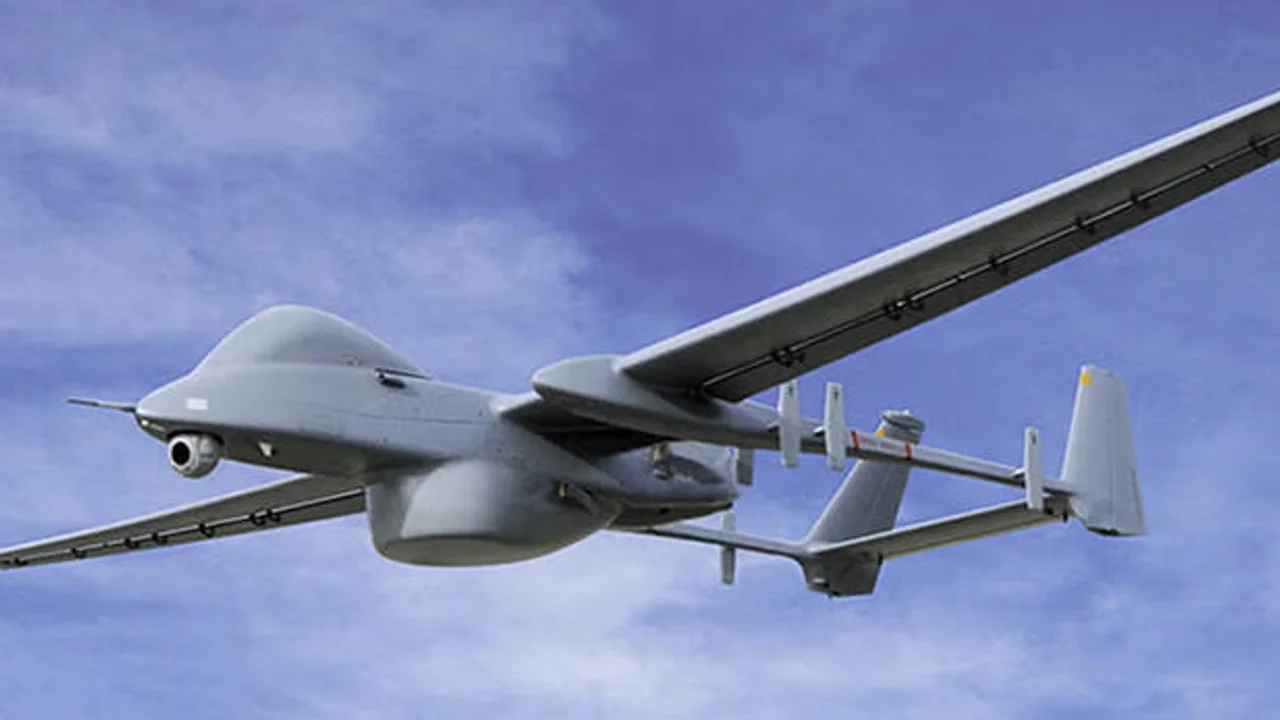
Israel Completes Preparations as Trump Weighs Military Strike on Iran
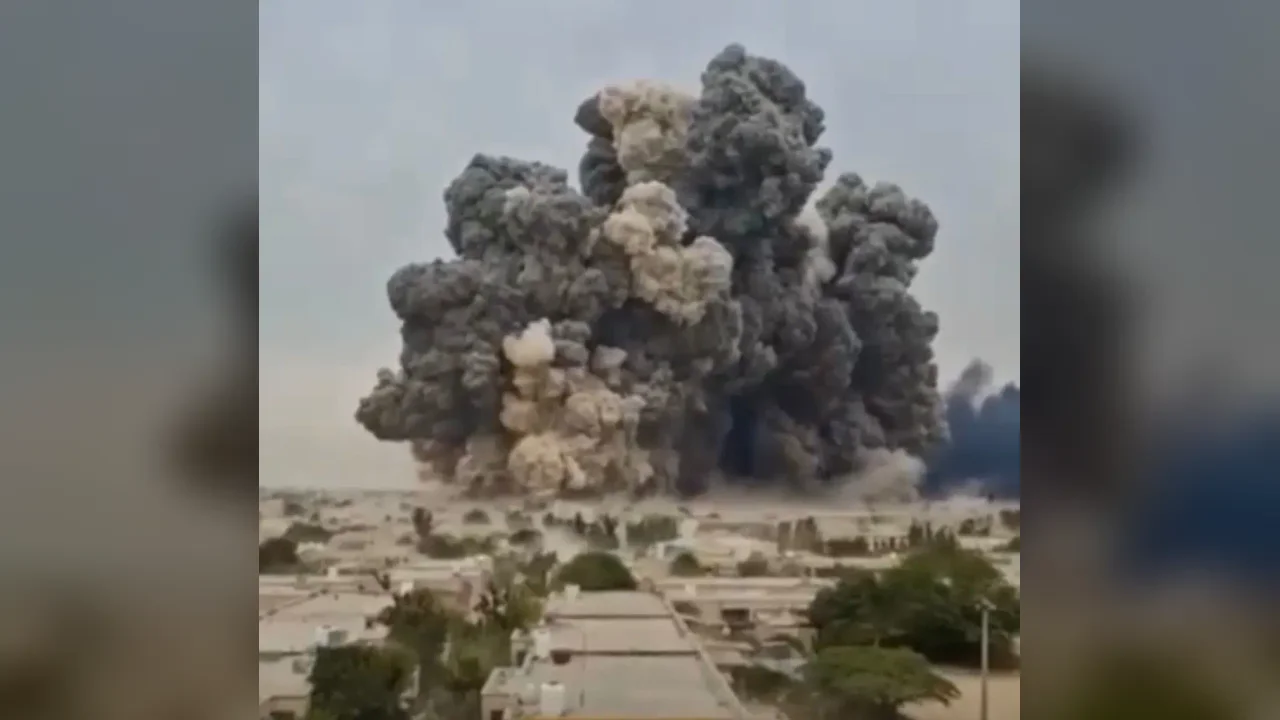
As the IDF completes high-level preparations for a potential new campaign against Iran, the final decision rests with US President Donald Trump, who weighs renewed military strikes against a diplomatic breakthrough amid strategic uncertainty.
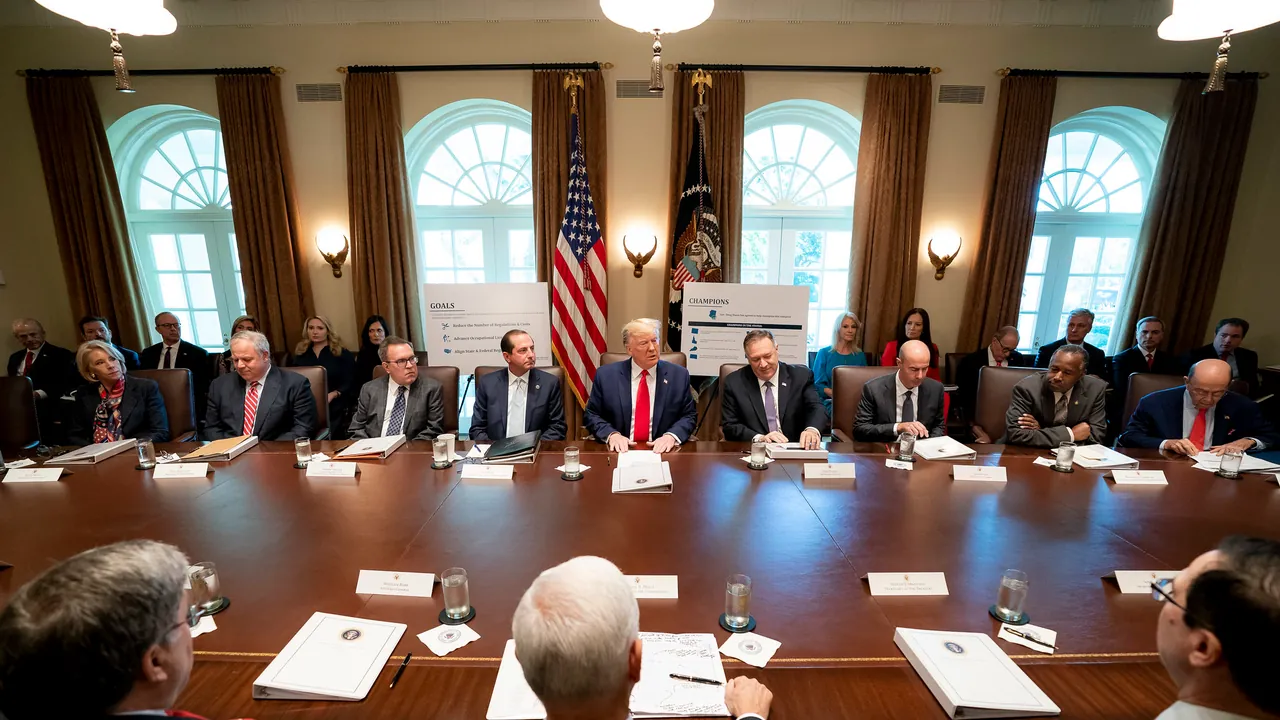
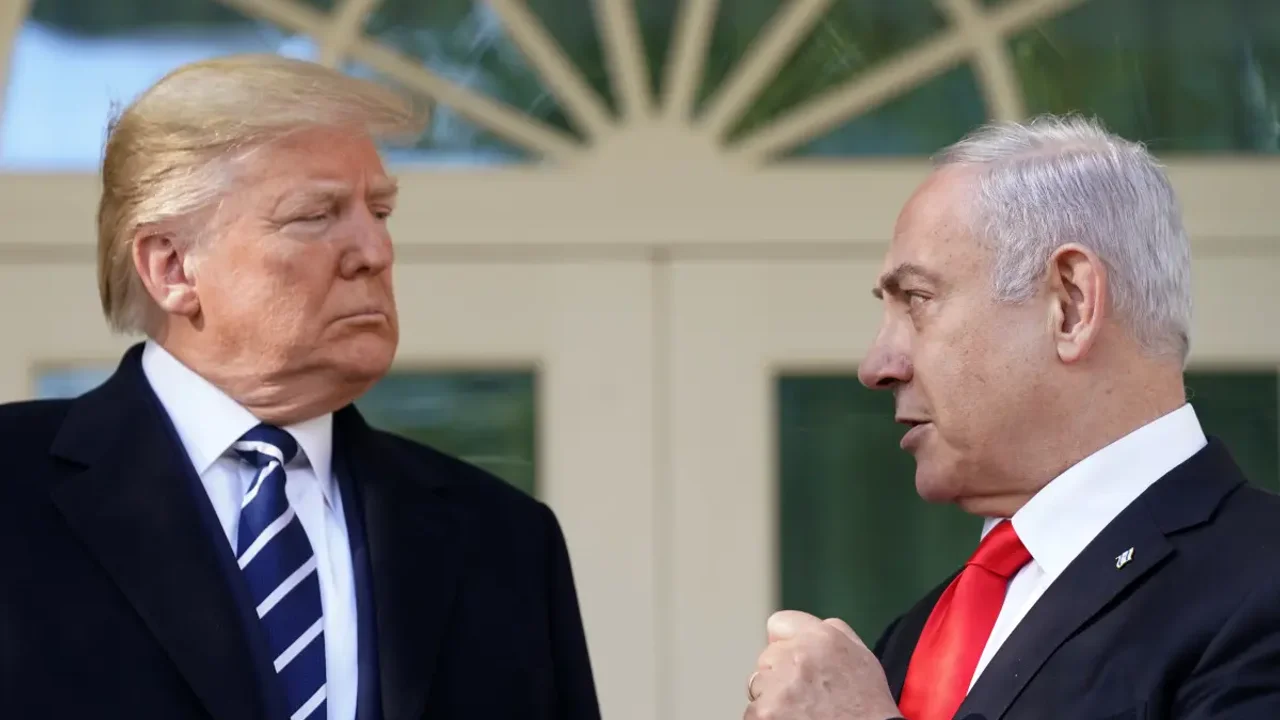
The Israel Defense Forces have completed preparations for a potential new military campaign against Iran, spanning both defensive and offensive dimensions, amid exceptionally high readiness levels. However, the ultimate decision to launch strikes rests in Washington rather than Jerusalem. US President Donald Trump currently weighs two divergent paths: pursuing a negotiated agreement with Tehran under terms more favorable to Washington or renewing military strikes in coordination with Israel, which has driven an intensified build-up.
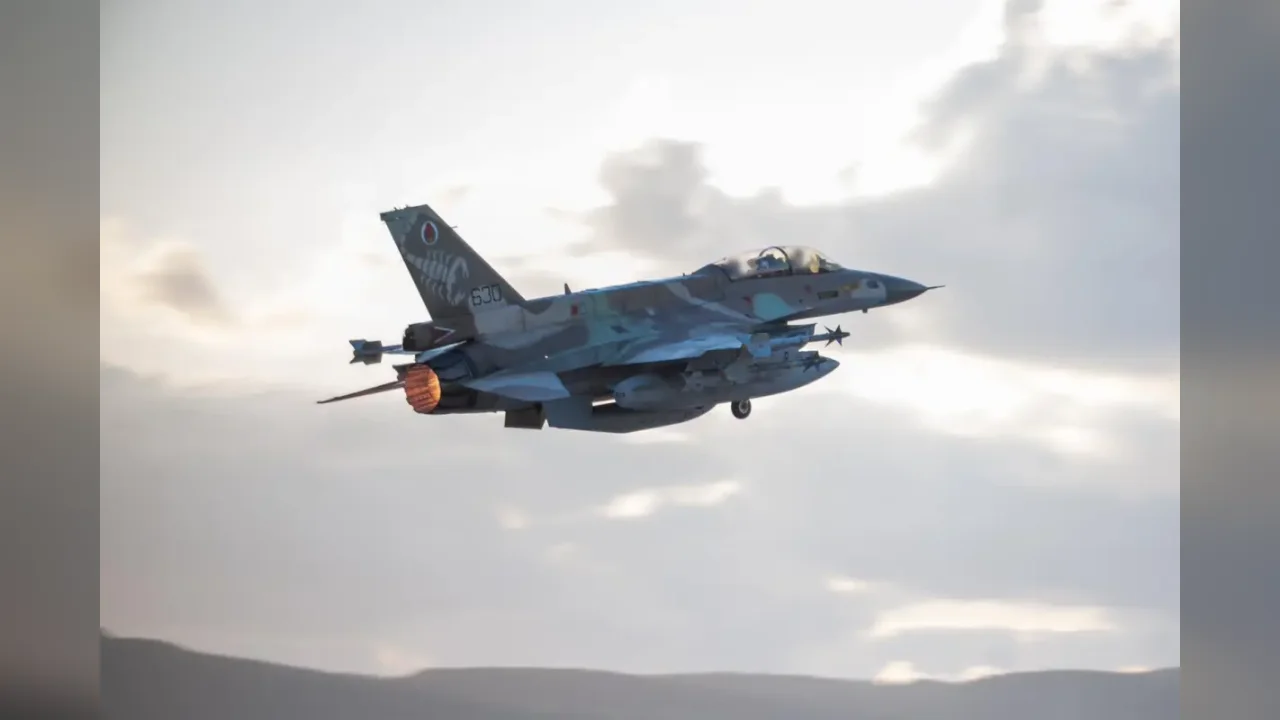
At this juncture, Washington's precise strategic objectives and exit strategy remain ambiguous. While Israeli political and military leadership initially sought to avoid proactive engagements prior to elections, operational preparations accelerated. American planners fully recognize Israeli capabilities following stellar performances during Operation Roaring Lion, which demonstrated complete aerial dominance and robust air defense.
Military Build-Up and Strategic Uncertainty
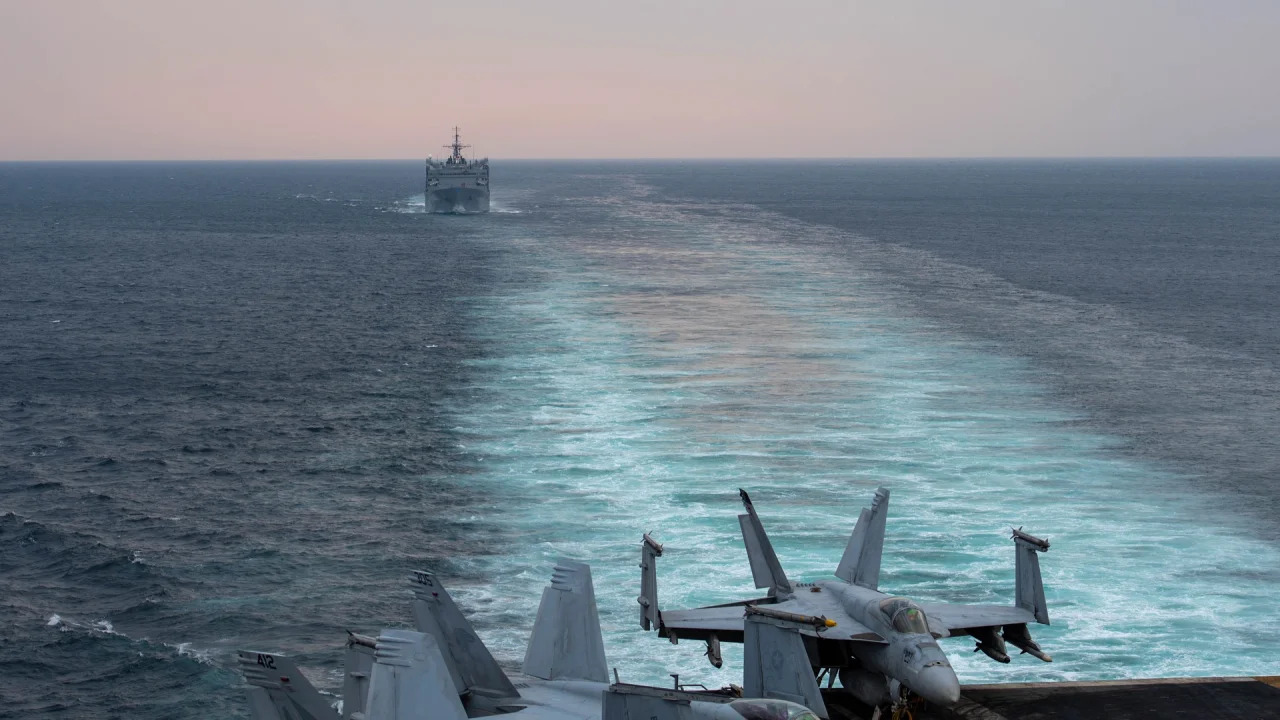
Tangible indicators on the ground underscore these preparations. Ten US military transport planes landed at Israeli air force bases this week, part of an ongoing airlift supplying crucial military equipment. US Central Command chief Admiral Brad Cooper recently briefed President Trump on military options alongside Defense Secretary Pete Hegseth and Chairman of the Joint Chiefs of Staff General Dan Caine.
President Trump recently emphasized his stance on social media, asserting that everyone knows a strike on Iran was necessary to prevent nuclear capabilities and that the situation will conclude swiftly. Despite Trump projecting a brief campaign, fundamental questions persist regarding Tehran's potential response, the risk of a multi-front escalation involving Hezbollah, and the precise definition of strategic victory.
Diplomatic Channels and Tehran's Response
Simultaneously, indirect diplomatic channels remain active. Qatar-based negotiations point to potential breakthroughs involving US delegations in Doha, addressing nuclear policies, the Strait of Hormuz, and economic incentives, with potential guarantees from China and Russia.
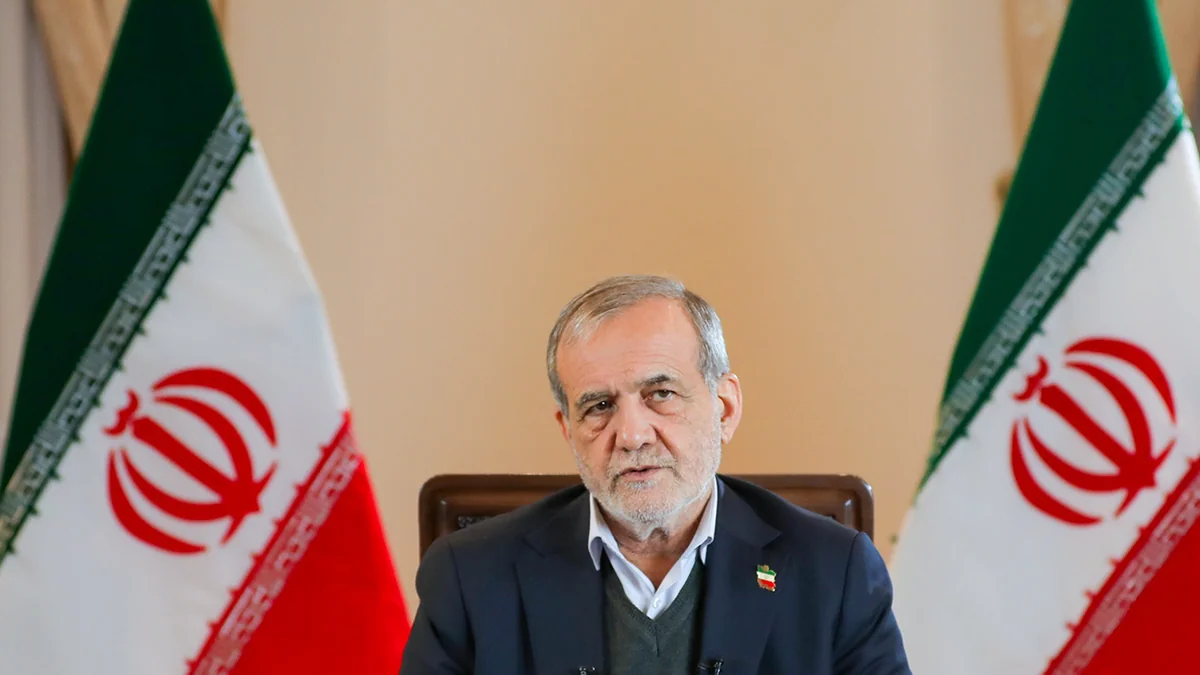
Conversely, Iranian leadership has hardened its rhetoric. Supreme Leader Mojtaba Khamenei warned that any threat would be met with immediate and limitless retaliation, declaring that Iran will dictate the terms of any conflict's conclusion. As Washington and Tehran navigate this delicate balance of deterrence and diplomacy, Israel must ensure that any eventual US-led action firmly safeguards its long-term national security.