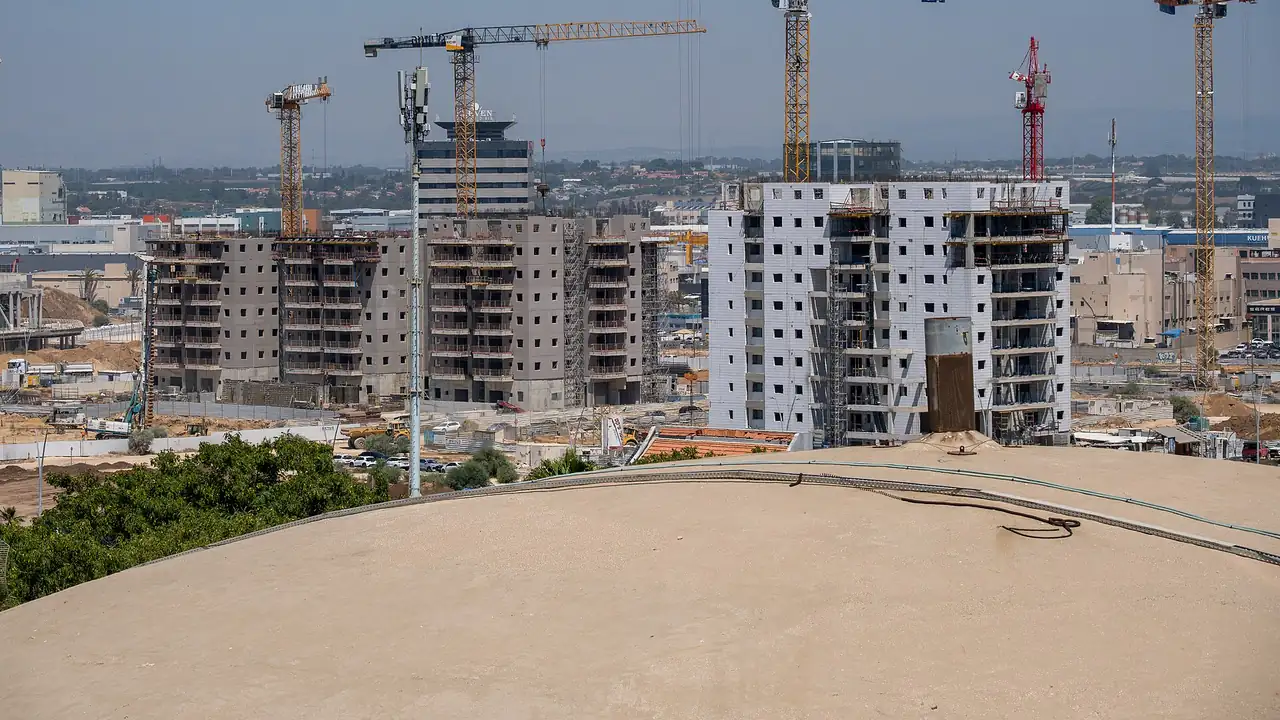
Israeli Construction Sector Tests Robots Amid Persistent Labor Shortages
Israel's construction sector faces a 30,000-worker shortage and rising costs, prompting a new Ministry pilot for site robotics. Industry leaders warn that technology alone cannot replace immediate labor reforms.
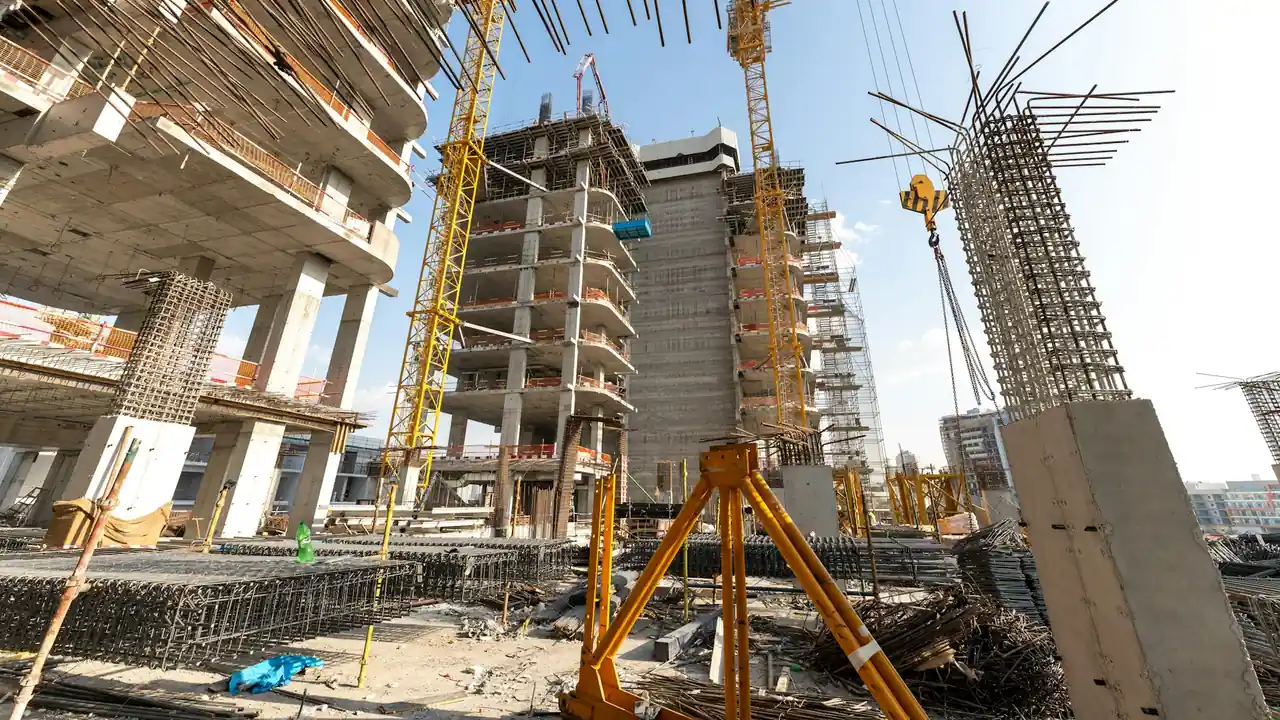
The Israeli construction sector is grappling with a severe labor shortage of roughly 30,000 workers, driving up financing expenses, extending project timelines, and inflating building costs. Despite Israel's standing as a technological powerhouse, much of the construction work remains manual or reliant on outdated machinery. To address this technological lag, the Israeli Construction and Housing Ministry is advancing a new pilot program to integrate robots and advanced technologies into active building sites.
Targeting Routine Tasks
Speaking to local media, Amnon Avi-Guy, CEO of RoboTize at Mittooch, emphasized that the initiative's success hinges on assigning the right tasks to robotic systems. He noted that the common misconception is assuming a robot must fully replace a construction worker to justify the investment. Instead, machines can take over repetitive material transport and equipment movement, freeing skilled workers to focus on complex human tasks and boosting site productivity without expanding headcount.
However, unlike a controlled industrial factory floor, a construction site changes daily. This variability requires strict safety, continuity, and economic viability. Ariel Pokotinsky, CEO of ECOWALL, argued that while the pilot is a positive step, it falls short of solving the industry's structural technology gap. He called for comprehensive government policies including regulatory adjustments, streamlined technology approval procedures, worker training, and direct economic incentives for contractors.
Ongoing Labor Deficits
While technological integration will take years to mature, the labor crisis demands immediate solutions. According to Population and Immigration Authority data, approximately 223,000 foreign workers were in Israel at the end of the third quarter of 2026, with about 77,000 assigned to the construction sector. Nevertheless, industry estimates indicate a shortage of at least 30,000 workers, exacerbated by the halt of Palestinian worker entries since October 7, 2023.
Advocate Shir Sela, CEO of Global Bridge, highlighted that a primary barrier is the gap between government-approved labor quotas and the actual number of workers arriving and integrating into sites. Bureaucratic bottlenecks, lengthy recruitment procedures, and restrictions on worker mobility between employers continue to disrupt project continuity. Consequently, without immediate relief for the labor crisis, even future advances in robotics will leave contractors struggling to expand housing supply, sustaining upward pressure on construction costs and apartment prices.