Finance Ministry Proposes 158 Million Shekel Cut to Gaza Envelope Recovery
The Ministry of Finance faces sharp criticism after proposing a 158 million shekel cut to the rehabilitation budget for communities surrounding the Gaza Strip, raising concerns over long-term regional stability.

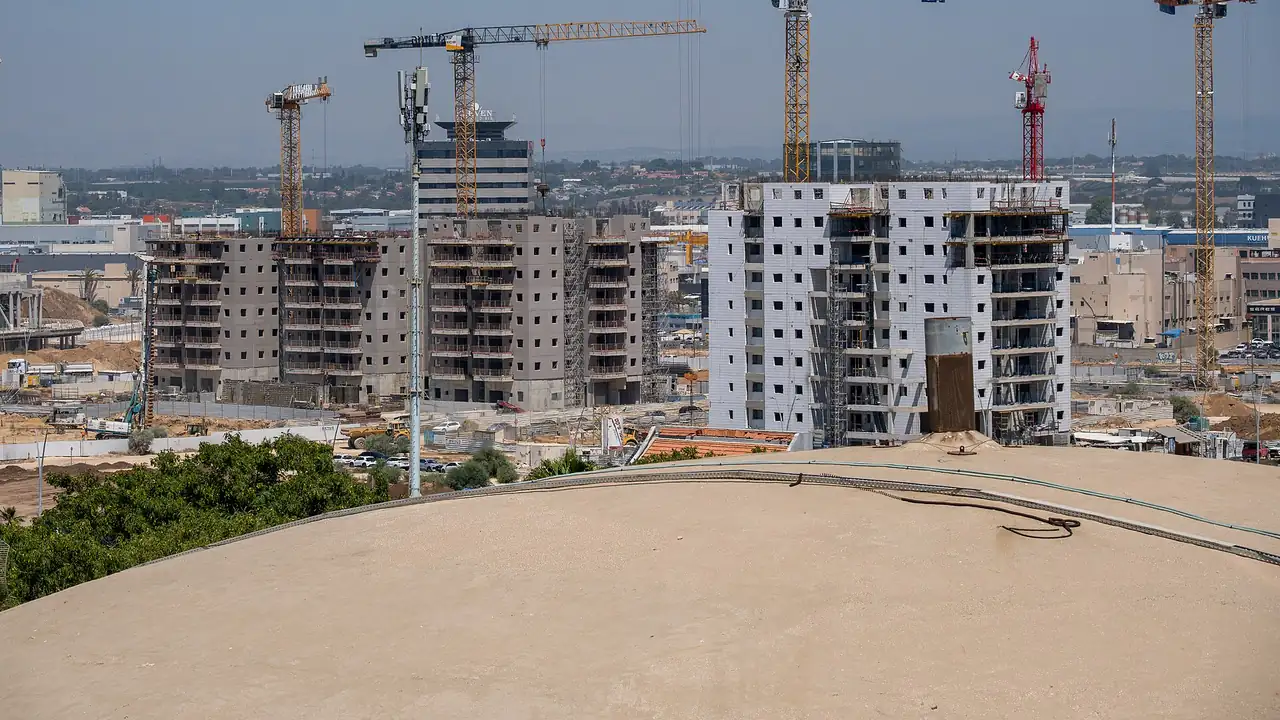
Despite ongoing recovery efforts in the communities surrounding the Gaza Strip, the Ministry of Finance has proposed a 158 million shekel budget cut to regional rehabilitation funds. While visible progress is evident with rebuilt homes and reopening businesses, local residents and leaders warn that reducing investment prematurely risks undermining the fragile long-term stability of the region.
The Danger of Premature Budget Reductions
Residents who chose to return to the area following the October 7, 2023 terror attacks emphasize that physical construction does not equate to complete social and economic recovery. The proposed cuts target critical sectors including education, security infrastructure, agriculture, and small business support. Local stakeholders argue that these domains form the foundation that enables families to remain and build a secure future in the border corridor.
"We are doing our part every day. The state cannot praise us for our recovery and in the same breath cut the investment that makes it possible."
Critics of the measure point out that across-the-board reductions send a dangerous signal to investors, families, and regional authorities trying to plan multi-year futures. Public officials recently signed the envelope charter pledging to protect rehabilitation funding, and community leaders demand that lawmakers uphold those commitments against treasury proposals.
Protecting Long-Term Regional Stability
Beyond immediate funding allocations, local advocates warn that administrative delays could cause unspent funds to lapse at the end of the fiscal year. The government must guarantee that any preserved monies remain dedicated specifically to regional development alongside next year's budget commitments. Community representatives insist on full transparency regarding planned expenditure adjustments and direct participation in decisions affecting the future of the border region.