Iran Faces Severe Water Crisis as Tehran Reservoirs Sit 80% Empty
Iran faces a severe water crisis as major reservoirs supplying Tehran sit 80% empty after six consecutive years of drought, threatening millions with shortages and land subsidence.
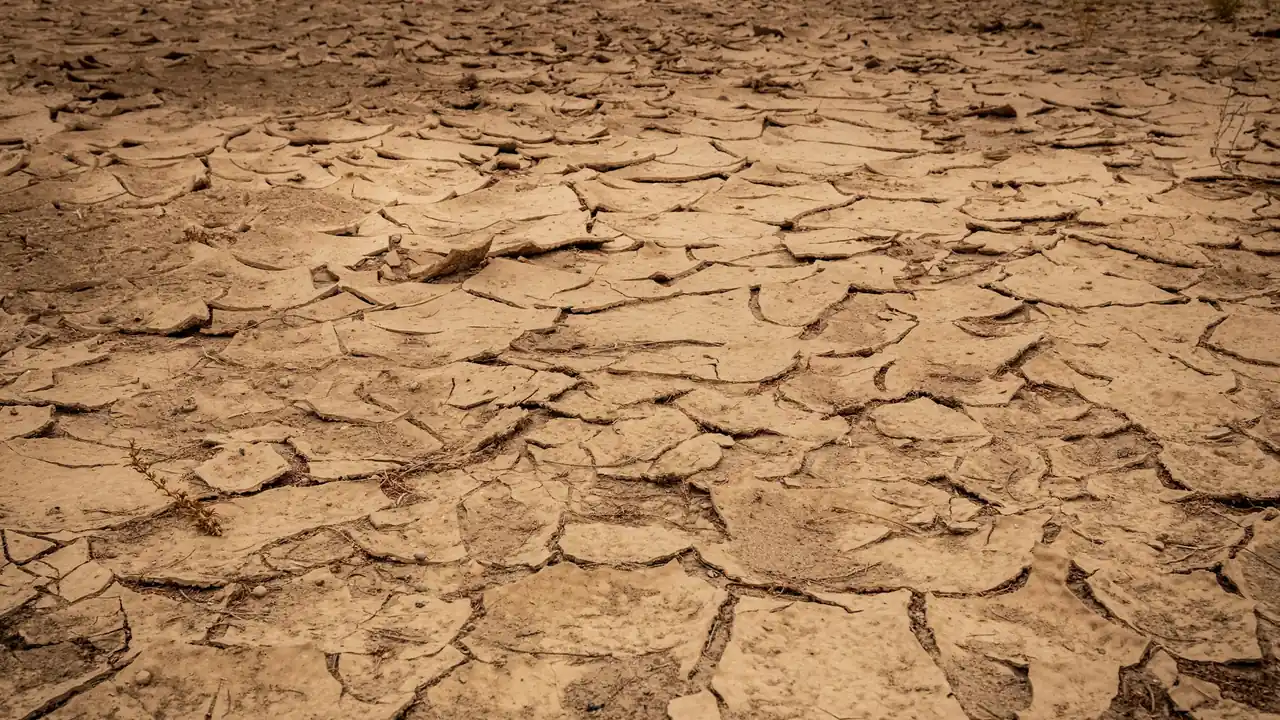
Iran is facing a severe water crisis that threatens drinking water supplies for millions of residents, most notably in the capital, Tehran. Mohammad Sadegh Motamediian, governor of Tehran province, warned that despite recent rainfall, about 80% of the capacity in the five major dams supplying the city remains empty. This warning follows six consecutive years of drought, driven by declining reservoir levels, overextraction of groundwater, and growing concerns that authorities may soon impose stricter limits on water consumption.
Data published by the Tehran Province Water and Wastewater Company indicates that the five primary reservoirs held less than 20% of their total capacity. Certain basins face particularly critical shortages, with the Lar Dam standing at approximately 3% of its capacity, the Amir Kabir Dam at roughly 18%, and the Mamloo Dam at about 11%. Water company spokesperson Behnam Bakhshi explained that Tehran requires between 800 million and 850 million cubic meters of water in its reserves to ensure a stable supply, a threshold far above current levels.
Structural Causes and Land Subsidence
This crisis stems from decades of heavy groundwater extraction, dam construction, and inefficient agricultural practices rather than mere rainfall deficits. According to figures, approximately 91% of Iran's water consumption is directed toward agriculture, compared to 7% for domestic use and 2% for industry. Outdated irrigation methods and inefficient infrastructure lead to massive resource waste, causing the country to consume water faster than natural replenishment rates. In a recent year, water usage exceeded available renewable resources by roughly 13 billion cubic meters.
One of the most alarming consequences of this depletion is widespread land subsidence. Excessive pumping from underground aquifers causes soil layers to compact permanently, with parts of Kerman province in southeastern Iran sinking at an alarming rate of 30 to 40 centimeters annually, creating deep fissures near homes and agricultural fields. Parliamentary research reports indicate that roughly 39 million people, nearly half of Iran's population, live in regions already affected by or at high risk of severe land subsidence.
Nationwide Impact and Potential Relocation
The gravity of the shortage has prompted stark warnings from the nation's leadership. President Masoud Pezeshkian previously cautioned that inadequate rainfall could force the government to restrict water distribution and even raised the theoretical prospect of relocating residents from Tehran. Although capital evacuation has not evolved into a formal operational plan, the discussion underscores the depth of the urban infrastructure strain and revived debates over shifting the nation's administrative center.
Water scarcity extends far beyond the capital. Lake Urmia in northwestern Iran, historically the largest saltwater lake in the Middle East, has shrunk to just 581 square kilometers, less than a tenth of its historical size from the 1990s. Rural areas suffer equally, with approximately 27,000 villages housing over ten million people facing acute water shortages. This rural distress stifles local agriculture and drives mass migration toward major urban centers that are already struggling to meet local demand.
Scholars note that while countries like Israel have successfully pioneered advanced desalination, wastewater recycling, and drip irrigation, political hostility prevents any direct technological cooperation. University of Tehran researcher Mehdi Esmaeili Bidhendi warned that without structural policy changes, persistent water shortages could permanently destabilize the capital within five years.