Iran-Linked Vessels Suspected of Mapping Submarine Cables in Gulf of Oman
Four vessels linked to Iran were tracked lingering over submarine communication cables in the Gulf of Oman, raising concerns over potential sabotage amid escalating regional threats.
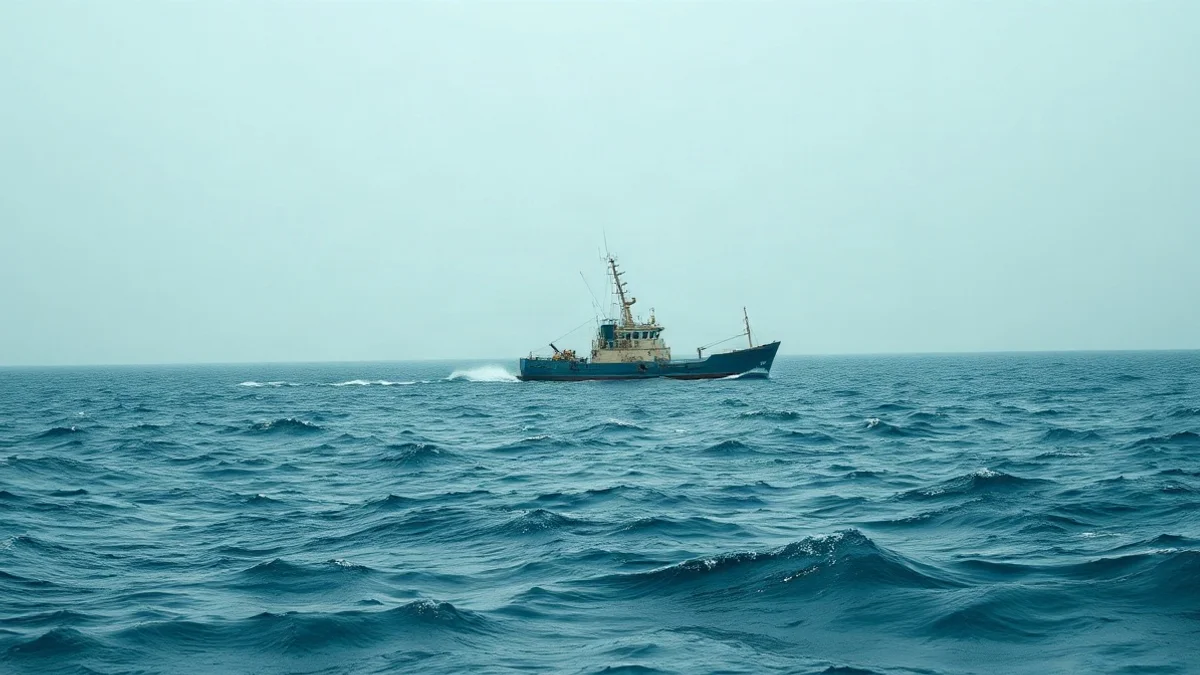
At least four vessels linked to Iran have been observed operating along unusual routes and lingering over submarine communication cables in the Gulf of Oman, according to a recent report by the Financial Times. Maritime intelligence data indicates that the ships may have been mapping the cable routes or preparing to lay explosive devices near critical digital infrastructure. The suspicious activity coincides with recent threats from Iranian officials to target regional telecommunications cables and data centers amid escalating tensions with the United States and Israel.
Data compiled by the Israeli maritime intelligence firm Windward reveals that three of the vessels are sanctioned oil tankers, while the fourth is a small Iranian fishing boat. The fishing vessel was tracked lingering above the Europe India Gateway and Transworld cables between October 21 and 26. Meanwhile, the tankers slowed down significantly and turned off their tracking systems while navigating above vital infrastructure corridors, including the 2Africa and Falcon cables, which connect Gulf states to international networks in Africa, India, and Europe.
Windward analysts reported that the vessels exhibited abnormal behavior, such as sailing normally until reaching specific cable corridors, then decelerating, executing circular movements, altering courses, stopping, or disabling their automatic identification systems (AIS). Security experts note that such tactical patterns closely match the profile of submarine cable reconnaissance or covert mine-laying operations. Two of the targeted tankers were empty at the time, and all four vessels deactivated their tracking transponders at various intervals throughout the month.
Regional telecommunications heavily rely on submarine cables traversing the Strait of Hormuz, making the Gulf states particularly vulnerable to infrastructure sabotage. According to TeleGeography, six major internet cables currently run through the strait, with three additional projects under development. Senior Iranian military and security officials, including Islamic Revolutionary Guard Corps (IRGC) spokesperson Hossein Mohebbi and Supreme National Security Council secretary Mohsen Rezaei, have recently warned that Tehran could target underwater data routes and artificial intelligence facilities in retaliation for potential Western strikes.