Iran Faces Escalating Separatist Attacks as Border Security Front Expands
Iran faces an unprecedented surge in attacks by Baluch and Kurdish separatist groups against security forces, straining state resources amid ongoing regional conflicts.
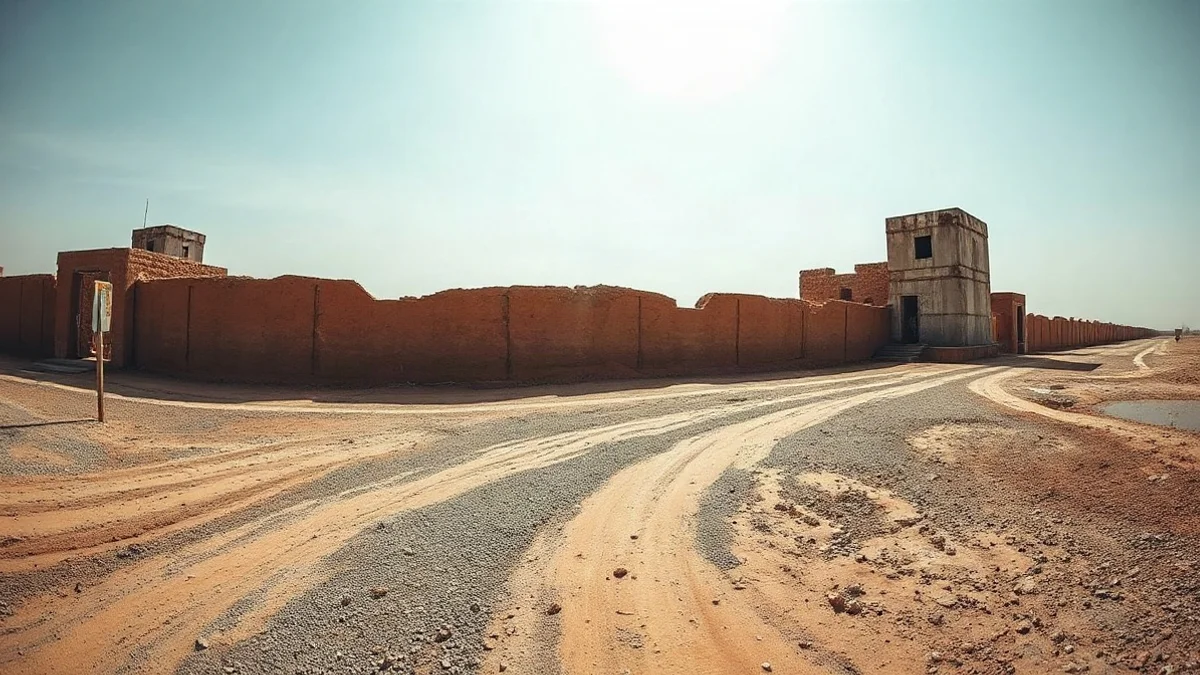
Iran is facing a significant escalation in attacks targeting its security forces and local government symbols, driven by ethnic separatist organizations operating along the nation's borders. These armed Baluch and Kurdish groups are striking senior commanders, critical facilities, and security patrols, compounding the regime's challenges amid ongoing economic pressure and strategic confrontation with the United States.
Over 70 Attacks Recorded in Border Provinces
Armed insurgent groups operating in Iran's border regions have markedly stepped up their offensive operations against state security forces in recent months. According to data compiled by the Armed Conflict Location & Event Data Project (ACLED), more than 70 attacks have been recorded this year in the southeastern province of Sistan and Baluchestan bordering Pakistan, marking the highest annual figure in a decade. Insurgents are utilizing heavy machine guns, anti-tank grenade launchers, and roadside improvised explosive devices against police stations, intelligence facilities, and security patrols. In northwestern Iran, Kurdish militants are suspected of assassinating senior members of the Basij, the volunteer paramilitary wing of the Islamic Revolutionary Guard Corps (IRGC), alongside an affiliated cleric.
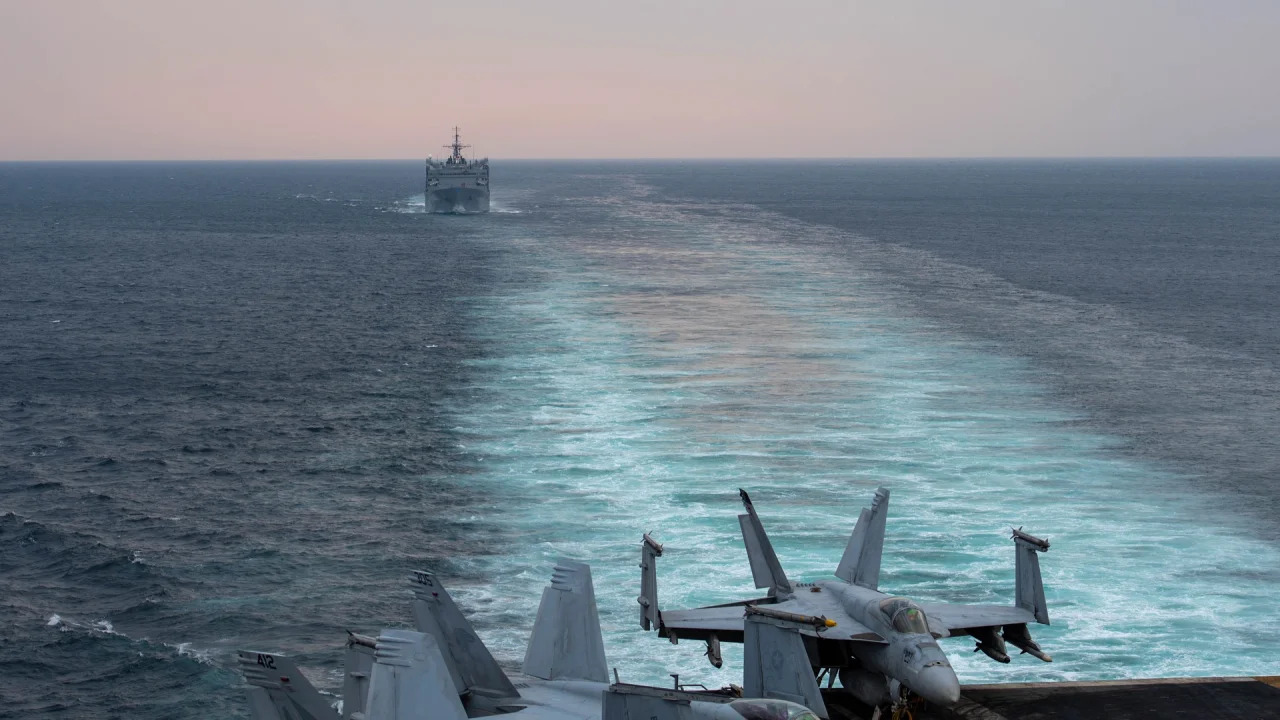
While these attacks remain geographically contained and do not currently pose an existential threat to the regime in Tehran, they force authorities to manage a secondary domestic front while simultaneously contesting control of the Strait of Hormuz. Experts note that these ethnic uprisings are becoming an escalating security nuisance that progressively undermines Tehran's ability to project power and maintain internal order.
Targeted Assassinations and Strategic Proximity
Since the 1970s, Iran has contended with various separatist factions, including Kurds in the northwest, Arabs in the oil-rich southwest, and Baluch groups in the southeast. However, the frequency of attacks has intensified notably this year, with militants increasingly focusing on Basij personnel, local clerics, and regime loyalists. In September, pro-regime Sunni cleric Molavi Yusef Gergij was shot dead outside his residence, prompting IRGC commander-in-chief Ahmad Vahidi to accuse Zionist-American-backed separatist groups of the assassination and vow retaliation. In October, a deputy police commander was killed by a roadside bomb near Zahedan, the capital of Sistan and Baluchestan, followed days later by the fatal shooting of a female Basij commander outside her home. Several recent incidents occurred near the port city of Chabahar, home to Iran's largest port outside the Persian Gulf, as well as near Konarak, a key Iranian Navy base.
The militant group Jaish al-Adl, founded in 2012 to campaign for an independent Baluch state, recently integrated with smaller factions along the borders of Pakistan and Afghanistan to form a new coalition titled the People's Fighters Front. The organization has claimed responsibility for nearly all attacks against security forces in the region this year, including a drive-by shooting on November 3 that left a Basij commander dead. In a statement following the attack, the group asserted that when security forces terrorize and suppress civilians or target its members, it has no choice but to retaliate.
Shifting Kurdish Strategies and Regional Dynamics
Armed activity is also surging in Iran's Kurdish regions, prompting the IRGC to deploy substantial forces and heavy weaponry, including drone strikes against Iranian Kurdish insurgents based across the border in Iraq. The IRGC recently buried an officer killed in the Kurdish border town of Sardasht, while the armed wing of the Kurdistan Free Life Party (PJAK) stated the attack was carried out in retaliation for the death of one of its fighters. Following the deadly suppression of domestic protests in January, new militant entities such as the Patriotic Youth of Kurdistan and the Revenge Teams of Kurdistan Martyrs have emerged, declaring their aim to avenge fallen demonstrators and overthrow the government.
Kasra Aarabi, director of IRGC research at United Against Nuclear Iran, observed that some groups have altered their messaging, explicitly stating they have set aside purely separatist ambitions in favor of cooperating with the broader Iranian populace against the regime.
Tehran Alleges External Foreign Coordination
At the onset of the military campaign against Iran in late February, US and Israeli planning explored fostering domestic ethnic minority uprisings, although a widespread nationwide revolt did not materialize. Israeli and American officials acknowledged earlier this year that they maintained contacts with ethnic insurgent groups in hopes of destabilizing the government. US President Donald Trump stated in April that Washington had attempted to route arms to protesters through Kurdish intermediaries, a claim denied by Iranian Kurdish leaders. According to reports, Trump ultimately halted a finalized plan for operational assistance to Iranian Kurdish forces following demands from Turkish President Recep Tayyip Erdogan.
Iranian Foreign Ministry spokesperson Esmaeil Baghaei accused militants in Sistan and Baluchestan of operating according to destabilization plans drafted by Israel and the United States. In October, the Iranian Ministry of Intelligence announced the dismantlement of three insurgent cells in Zahedan and surrounding cities, alleging that members received military training, bomb-making instruction, and assassination directives from foreign handlers abroad. A US official noted that the Iranian leadership's acute anxiety regarding its own citizenry stems directly from the mass casualty crackdown on domestic protesters executed by security forces in January.