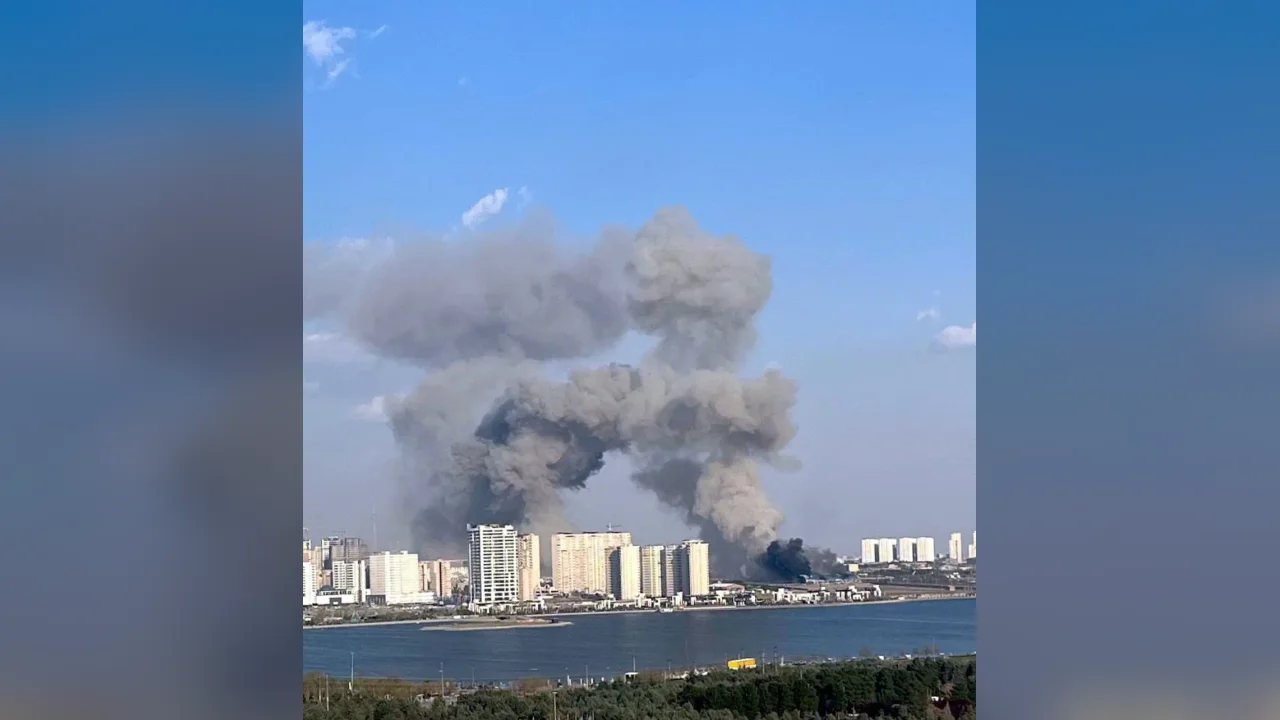
Iran: "The US has stopped attacking, and so have we"
Tehran claims the US has halted airstrikes over the past two days, leading to a reciprocal pause in Iranian actions. While diplomatic efforts to achieve calm are underway, officials warn it is too early to determine if this is a lasting settlement or a temporary operational break.
Iran announced on Sunday that it has halted its retaliatory actions against the USA, claiming that Washington stopped airstrikes on Iranian territory during the last two nights.
Iranian army spokesperson Amir Akraminia stated:
"The Americans stopped their strikes in the last two nights. Since our strategy was entirely based on response, we also stopped our retaliatory actions."
According to him, there is ambiguity in the United States regarding policy toward Iran, and even senior American officials lack a clear strategy. "The American strategy is not clear even to the country's own senior officials. This is evident in the words of American officials, especially the President, and also in the actions of the US Central Command," he claimed. Akraminia warned that the continuation of American strikes could lead to the expansion of the war, noting that the conflict has already spread to the Bab el-Mandeb Strait area.
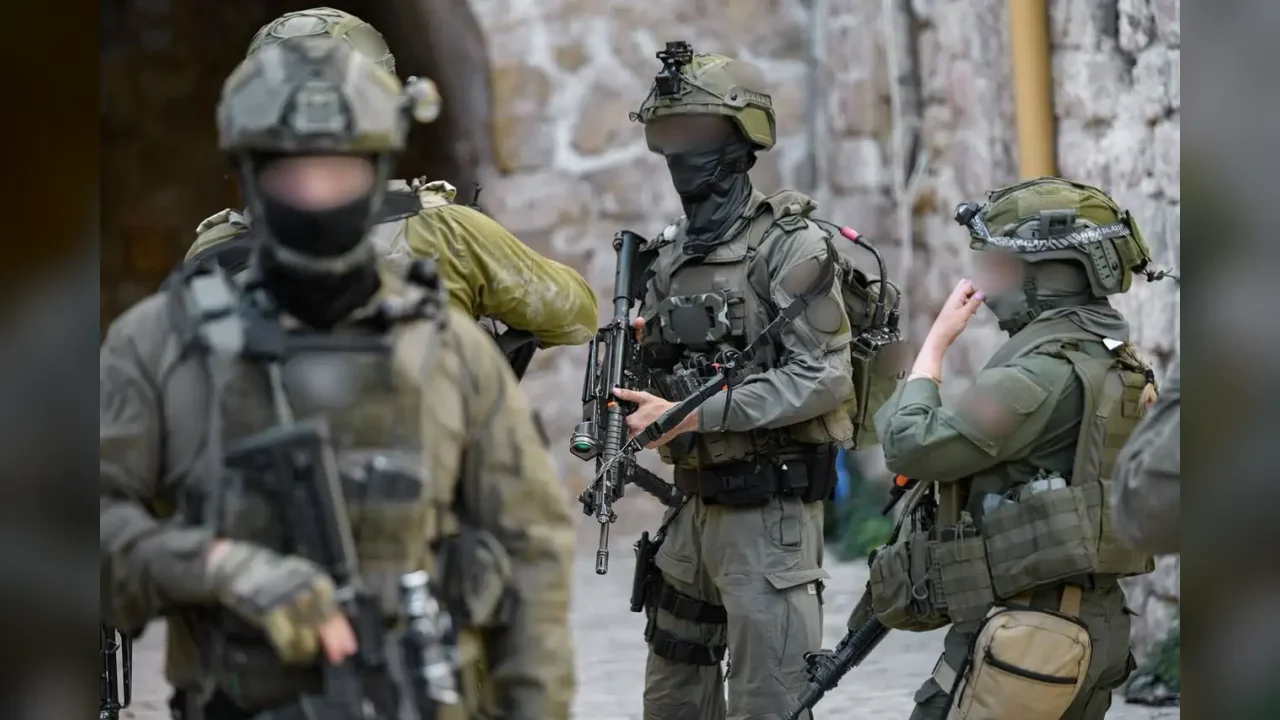
According to reports, the US military stopped airstrikes against Iran after nearly two weeks of bombing, while diplomatic efforts are underway to prevent a return to full-scale war. However, it remains unclear whether the parties are at a turning point leading to calm or if this is merely a temporary pause. US President Donald Trump has continued to threaten further strikes while simultaneously stating that contacts are ongoing.
A regional source involved in mediation efforts told the AP news agency that intense diplomatic activity is taking place and that the cessation of American strikes and Iranian retaliatory actions against neighboring countries hosting American forces is "a positive sign that helps efforts to calm the situation."
According to the source, the USA and Iran are interested in returning to a temporary ceasefire agreement, with one of the central issues in the negotiations being the possibility of easing restrictions on the movement of vessels in the Strait of Hormuz.
Iranian Foreign Ministry spokesperson Esmaeil Baghaei confirmed that Iran and Oman held several rounds of technical talks over the weekend regarding the Strait of Hormuz. According to him, an Omani delegation left Tehran on Saturday afternoon, but the talks "progressed and are continuing."
Experts estimate that the fragile ceasefire may be significant, but warn against rushing to conclusions. Michael Singh, managing director of the Washington Institute for Near East Policy and a former senior official at the US National Security Council, said that Iran understands that the situation could worsen, especially if Israel joins the conflict. According to him, the fact that Israel has not yet been directly involved may send a message to Tehran that the USA is interested in limiting the scope of the conflict.
"If this turns into a pause of a few days - that will be significant. But it is hard to tell: is this an operational pause, or a break intended to allow for behind-the-scenes diplomacy?" Singh said.