Fuel Queues and Phone Checks: Iranians Detail Life Under Tight Security
Iranian residents describe a daily struggle of hours-long fuel queues, black market prices, and strict checkpoint phone searches amid severe economic hardship and heavy security.
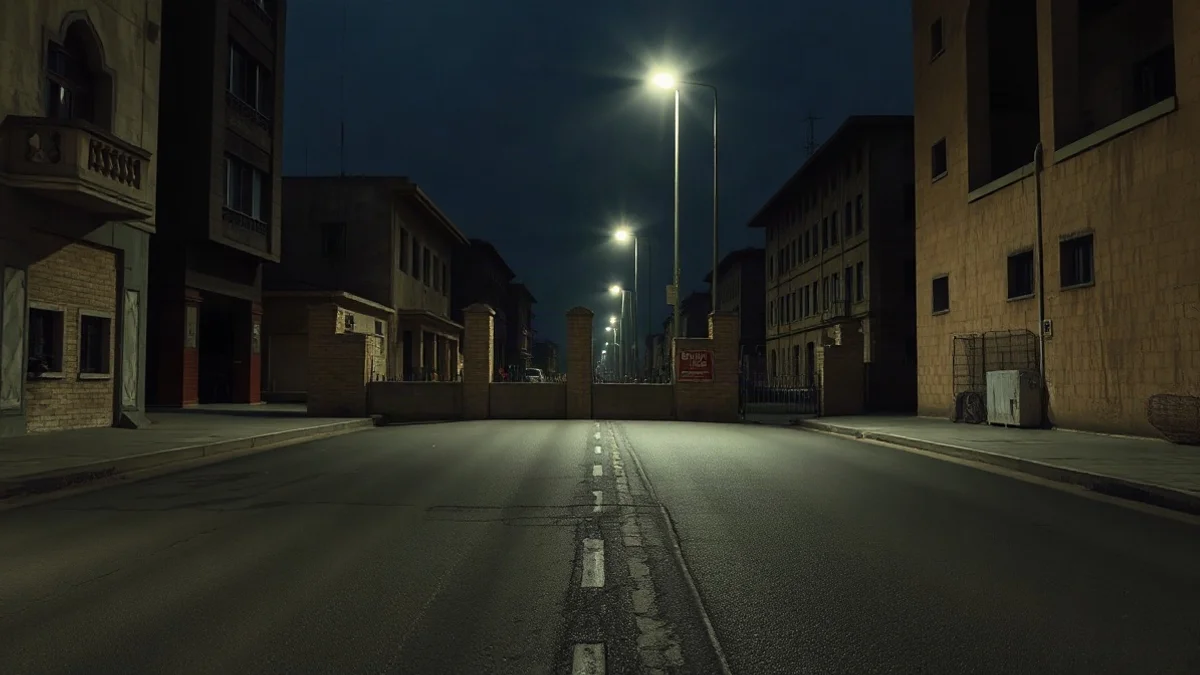
Residents in Iran are navigating an increasingly tense reality defined by severe economic hardship, strict security surveillance, and the constant fear of arrest amid ongoing regional tensions following direct military operations against strategic infrastructure.
Daily Struggles and the Fuel Black Market
For citizens working in transportation, fuel shortages have crippled daily livelihoods. Quotas restricting personal vehicles to 160 liters per month have forced many drivers to turn to a thriving black market where a liter of fuel costs 15,000 tomans, far above the regulated state tariff.
Drivers recount spending up to two hours waiting in lines at fuel stations under the watchful eye of security personnel. The heavy-handed presence of law enforcement at fuel distribution points reflects the regime's deep-seated anxiety over potential public unrest.
Heightened Security and Public Apprehension
Security checkpoints across urban centers have intensified, with personnel routinely inspecting civilian mobile phones for any imagery or video related to domestic protests. Discovering such content frequently results in immediate detention.
Armed members of the Basij and the Islamic Revolutionary Guard Corps maintain a visible presence on the streets, accompanied by regime loyalists waving flags. Residents report that even minor grievances draw aggressive threats of arrest, with witnesses describing incidents where motorists were forcibly dragged from their cars and beaten by security forces.
Amid economic degradation and pervasive fear, many citizens privately express a desire for external intervention and a decisive shift in the political landscape, drawing anxious parallels to complete international isolation.
"We are like a prisoner condemned to death, who is led repeatedly to the gallows and then taken back," residents shared, voicing deep concerns that the country risks becoming entirely cut off from the global community.