International Food Fraud Operation Yields 79 Arrests and 80 Million in Seizures
An international Europol and Interpol operation across 57 countries seized nearly 80 million euros in counterfeit food and beverages, leading to 79 arrests and 18 dismantled crime networks.
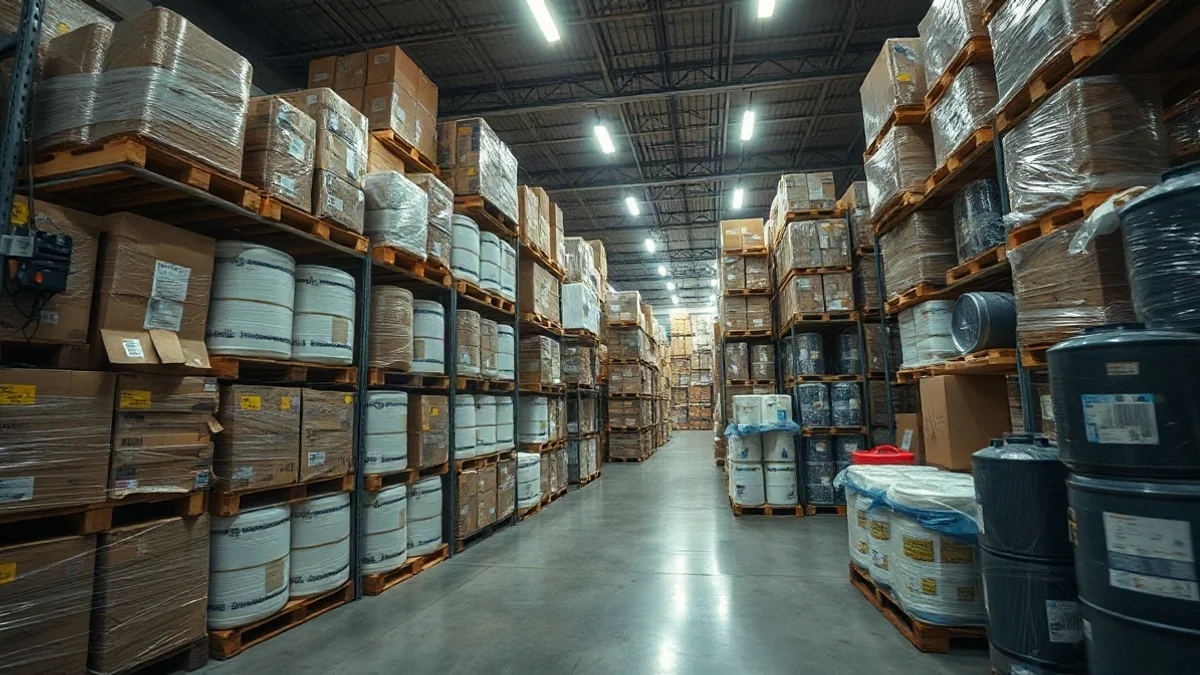
An international law enforcement operation targeting food fraud, coordinated by Europol and Interpol, has led to the seizure of counterfeit and substandard goods valued at nearly 80 million euros. The six-month operation, dubbed "OPSON XV" and conducted across 57 countries from December 2025 to May with support from the European Commission, resulted in 79 arrests and the dismantling of 18 organized crime networks.
Enforcement teams carried out 17,071 inspections and referred 428 individuals to judicial authorities. Investigators confiscated over half a million counterfeit items, nearly 230,000 liters of adulterated beverages, and approximately 1.7 million kilograms of low-quality food. Operations primarily targeted supply chains reintroducing expired or mislabeled products, alongside facilities manufacturing illegal dietary supplements containing undeclared pharmaceutical ingredients.
Global Seizures and Fraudulent Methods
Authorities across multiple jurisdictions uncovered diverse methods used to conceal product age, origin, and composition. In Portugal, law enforcement seized 10,000 liters of vegetable oil falsely labeled and sold as extra virgin olive oil, alongside 340 liters of unregistered liqueur wine and about 200,000 euros in cash, leading to charges against three individuals. Turkish teams confiscated 4,150 liters of counterfeit or adulterated olive oil and 970,000 packaged food items valued at roughly 750,000 euros, many of which were expired or mislabeled.
In Canada, enforcement agencies intercepted more than ten tons of honey adulterated with sugar syrups, identified through magnetic resonance technology. Europol warned that such products pose a direct health hazard, particularly to individuals with diabetes. Sectors most vulnerable to these illicit practices included meat, alcoholic beverages, fruits, vegetables, oils, seafood, pet food, and non-alcoholic beverages.
Europol emphasized that the scale of violations uncovered during the operation reflects a direct danger to consumers and market integrity, categorizing food fraud as a substantial public health threat.
"Counterfeit or altered food products can cause illness, disrupt food safety standards, and distort the market," Europol stated.