Myanmar Rejects Full ICJ Genocide Ruling and Defies International Court Directives
Myanmar President Min Aung Hlaing announced his government will not implement all ICJ directives after the court ruled the military committed genocide against the Rohingya.
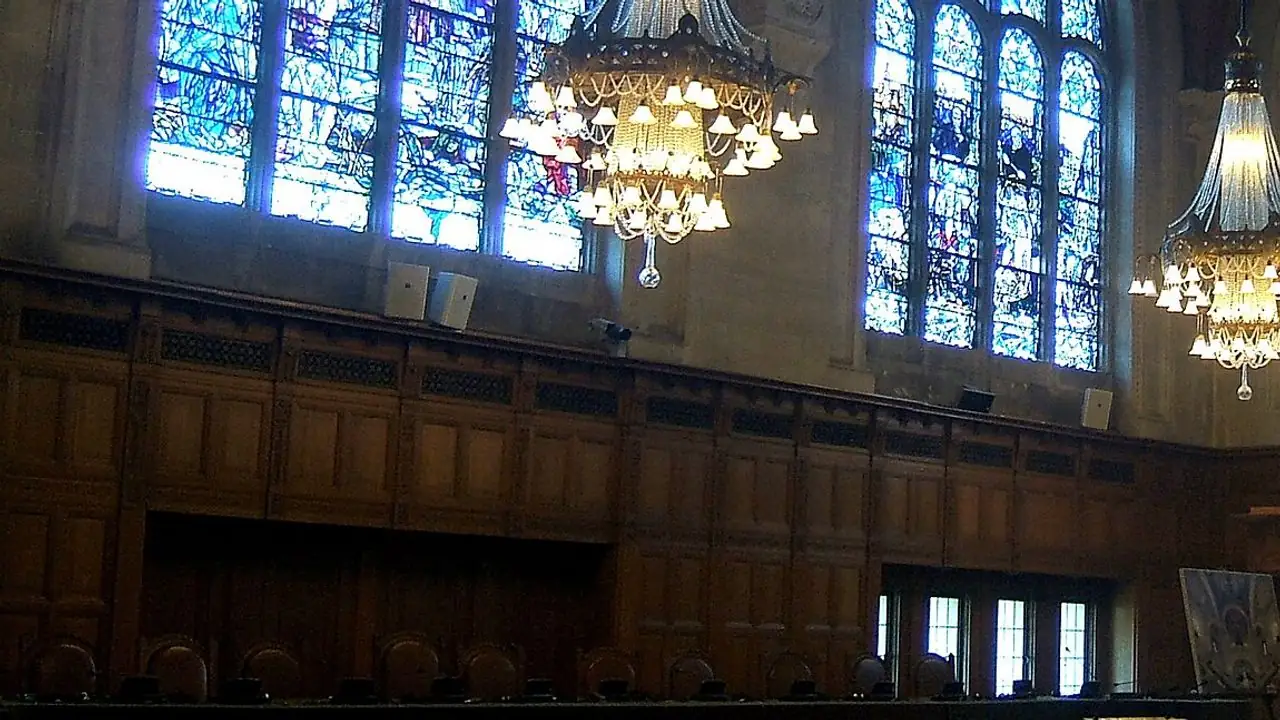
Myanmar President Min Aung Hlaing announced that his government will refuse to implement all directives issued by the International Court of Justice (ICJ), which ruled last week that the nation's security forces committed genocide against the Rohingya Muslim minority. This marks the president's first public response to the historic ruling.
Rejection of the ICJ Ruling
Min Aung Hlaing, who led the military junta before becoming president, rejected the court's verdict and claimed that using the term genocide has damaged Myanmar's international reputation. Speaking to state media outlets, he stated that Myanmar will take steps befitting a responsible state but will not comply with demands it considers inappropriate. The president did not specify which particular directives his administration intends to ignore.
Last week, the UN court concluded that the Myanmar military's 2017 operations against the Rohingya, which involved killing thousands of people, burning hundreds of villages, and widespread sexual violence, constitute genocide. This ruling represents the first time the ICJ has held a state directly responsible for committing genocide. While the decision is legally binding, the court's enforcement mechanisms remain extremely limited.
Court Mandates and Historical Context
The tribunal ordered Myanmar to halt ongoing violations of the Genocide Convention, investigate and prosecute suspects, and ensure that such atrocities are never repeated. Additionally, the court instructed the government to facilitate the safe return of displaced Rohingya, restore or compensate for lost property, assist in locating missing persons, and protect the minority population from ongoing discrimination and persecution. Myanmar was also ordered to pay reparations for irreparable damages and submit a compliance report within two years.
Myanmar continues to maintain that military operations conducted in Rakhine State between 2016 and 2018 were legitimate counter-terrorism measures directed against insurgent groups. The Ministry of Foreign Affairs previously asserted that the actions lacked genocidal intent and were strictly limited in scope and duration. The 2017 military crackdown triggered the mass exodus of over 730,000 Rohingya to neighboring Bangladesh, where approximately 1.2 million members of the minority now reside in sprawling refugee camps.