Russia Deploys Nuclear-Armed Naval Escorts in Baltic Sea Amid Tensions
Russia has deployed nuclear-armed naval escorts for oil tankers in the Baltic Sea amid rising tensions with NATO. While covert diplomacy and Pentagon warnings have helped avert direct military clashes, Ukrainian drone strikes continue to devastate Russian refineries.
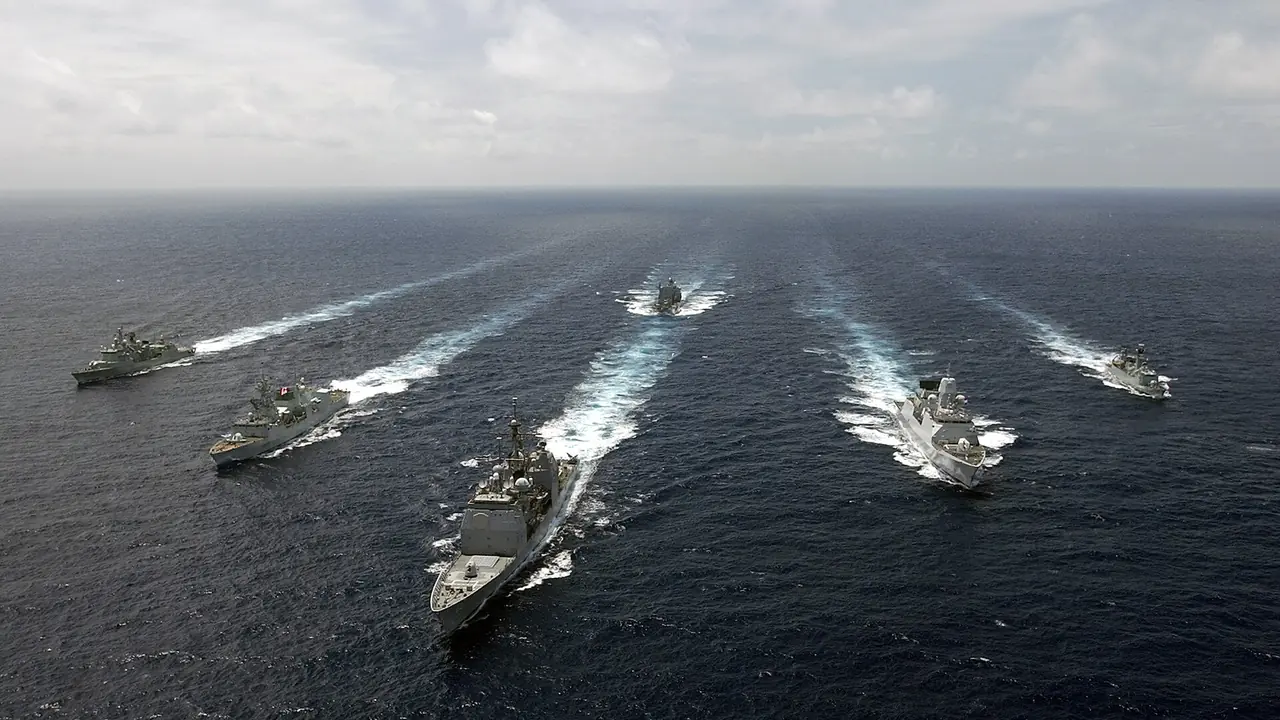
Russia has deployed warships armed with nuclear-capable missiles to escort its oil tankers in the Baltic Sea, where more than 60 percent of the nation's seaborne petroleum exports transit. The move follows escalating tensions and a written warning sent by the Kremlin to NATO in September, stating that Moscow is prepared to launch preemptive nuclear strikes to safeguard its regional interests.
Covert Diplomacy and Pentagon Intervention
To defuse mounting frictions, Finnish President Alexander Stubb and Norwegian Prime Minister Jonas Gahr Støre held direct talks with Russian President Vladimir Putin. During their October 27 conversation, President Stubb assured the Russian leader that Western nations had no intention of imposing a peacetime blockade on the Baltic Sea. Secret backchannel diplomacy was also utilized, with an unidentified Russian oligarch acting as an intermediary to relay messages between Western officials and Moscow.
Meanwhile, Pentagon officials issued a stern warning in late October to Baltic state counterparts, urging them to moderate aggressive rhetoric. The caution followed provocative statements from Polish Foreign Minister Radoslaw Sikorski regarding military exercises near Kaliningrad, and suggestions from Estonia's top diplomat that NATO could seal the Gulf of Finland within hours.
Maritime Encounters and Baltic Flashpoints
Tensions flared anew following a Ukrainian drone strike on the Russian cargo vessel Sparta II in the Gulf of Finland, causing the ship to drift into Finnish territorial waters. Prompt cooperation between Finnish and Russian authorities in rescuing the vessel helped avert a direct military confrontation. The German Coast Guard recorded roughly 260 Russian naval escort operations in the Baltic and North Seas over the past year, as Moscow moved to protect its shadow fleet from Western interception.
Impact of Ukrainian Energy Strikes
Simultaneously, sustained Ukrainian drone attacks on Russian energy infrastructure have severely crippled the domestic refining sector. According to two industry sources, these strikes have slashed crude oil processing volumes at Russian refineries by approximately 45 percent since late October.
President Vladimir Putin accused Ukraine of continuing refinery strikes despite a request from US President Donald Trump to halt energy attacks, warning that retaliatory measures are inevitable. Ukrainian Foreign Minister Andrii Sybiha responded to the threats, stating:
"If Putin does not like the Ukrainian strikes on his refineries, he can order an end to the war. If he does not want his warships to be attacked, he can order an end to the war."