Bill Please: Restaurant Owners Tire of Feeding Influencers for Free
Restaurateurs and bakery owners worldwide are pushing back against social media influencers demanding free meals and products, as consumer trust in sponsored reviews declines.
When Free Meals Meet Broken Promises
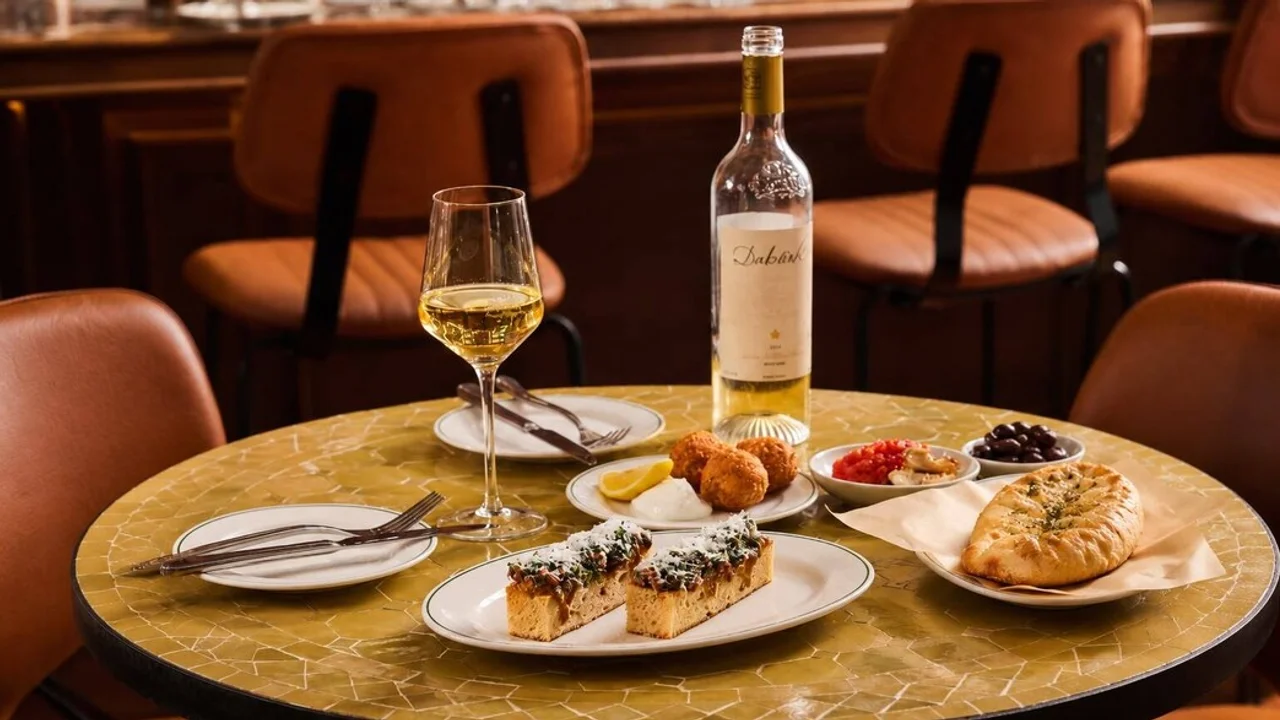
For many small business owners in the hospitality sector, the allure of social media exposure comes with a frustrating caveat. When Austrian restaurateur Hubert Zeniere agreed to host an influencer with roughly 100,000 followers, he anticipated a surge in digital engagement. Instead, the guest arrived accompanied by her partner, parents, and family dog, running up a 300-pound bill featuring two bottles of red wine and schnapps. Zeniere absorbed the cost, expecting the promised promotional post to follow.
Months passed without a single mention, with the influencer citing a lack of inspiration. Nine months later, when she belatedly offered to settle the bill upon receiving it, she reacted with anger. Although Zeniere continues to collaborate with selected influencers, his selection process is now far more rigorous. This incident mirrors findings from a broader investigation detailing the strained relationship between digital content creators and independent merchants who are growing weary of unfulfilled promises.
Drawing the Line Against Entitlement
While a viral video on Instagram or TikTok can dramatically elevate sales for a bakery or restaurant within hours, business owners increasingly report excessive demands for complimentary meals and products. Culinary professionals are pushing back against creators who expect suppliers, raw material vendors, and staff to accept likes instead of currency. Premium cake brand founder Reshmi Bennett faced a similar dilemma when an assistant to reality television star Binky Felstead requested a complimentary third birthday cake in exchange for social media exposure.
Bennett declined to provide free goods to an affluent reality celebrity and instead launched a humorous crowdfunding campaign to help finance the pastry. Her previous experiences with micro-influencers had proven equally disappointing, yielding no tangible business aside from requests for further freebies. Consequently, Bennett installed an email filter that automatically routes sponsorship and collaboration inquiries straight to her spam folder. In New York, Halfsies Cookie Company founder David Maffei experienced a similar spectrum of interactions, noting that while major creator endorsements can exhaust inventory for months, micro-creators with minimal followings frequently demand complimentary wedding favors in exchange for nominal visibility.
The Israeli Culinary Landscape and Consumer Trust
In Israel, the dynamic between chefs and food influencers remains a subject of intense debate among industry veterans. Chef Moshik Roth regards influencer partnerships as a legitimate and modern alternative to traditional advertising, noting that he views collaboration fees as a direct marketing expense rather than a compromise of creator integrity. Conversely, other prominent culinary figures have expressed strong reservations about offering complimentary meals to celebrities, preferring to protect the dining experience of paying customers.
Consumer skepticism regarding sponsored dining content remains exceptionally high across the local market. Data indicates that while roughly 61% of diners visited a restaurant over the past year based on recommendations from culinary creators, approximately 75% harbor doubts about the authenticity of commercially backed reviews. Ultimately, restaurateurs recognize the undeniable marketing power of digital platforms, but they are increasingly establishing strict boundaries to ensure that promotional partnerships do not compromise their bottom line or alienate loyal patrons.