Why Nutritional Yeast Is the Ultimate Vegan Cheese Alternative
Discover why nutritional yeast flakes offer a nutty, cheesy umami punch, boost protein, and serve as a versatile pantry staple for plant-based and everyday cooking.
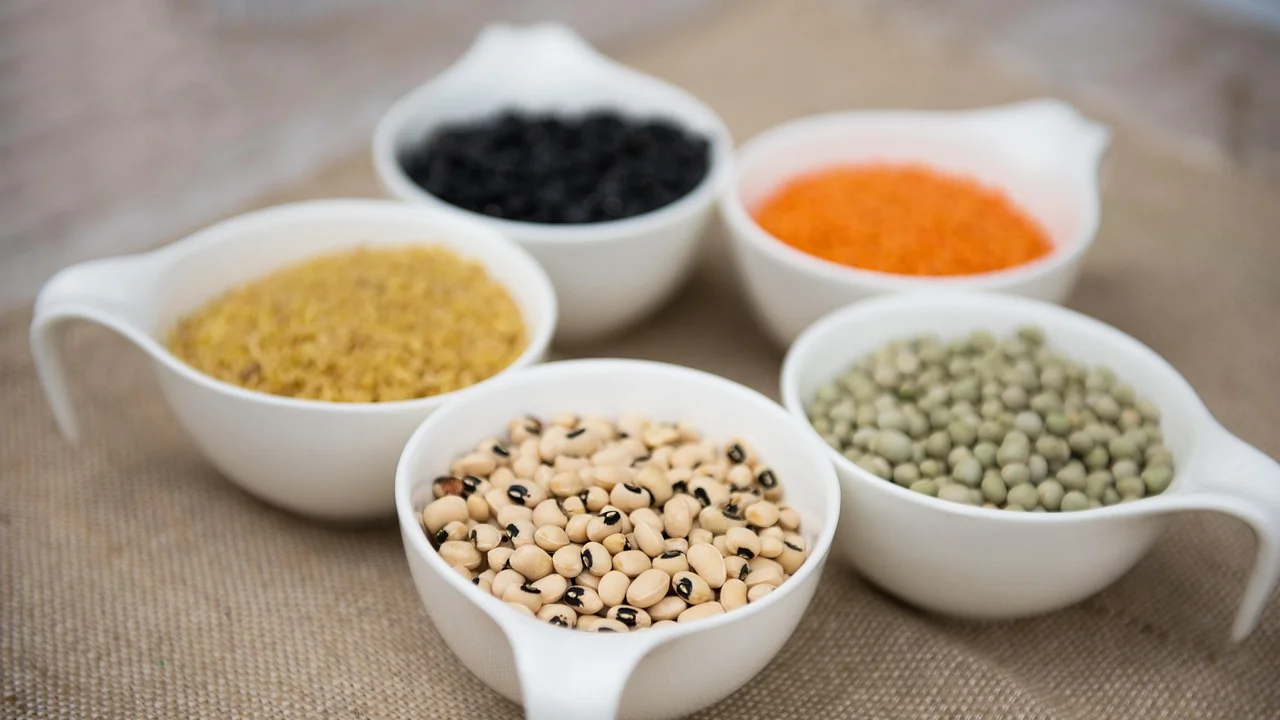
Leftover pasta warmed with a drizzle of olive oil often calls for grated cheese to round out the dish. Yet an alternative pantry staple sits ready in a yellow bag: nutritional yeast, widely known in culinary circles and frequently marketed in local stores as brewer's yeast. These golden flakes deliver a nutty, deep flavor profile that echoes aged or smoked cheese, making them a favorite in plant-based kitchens and among anyone seeking a savory seasoning upgrade.
The Science Behind the Flakes
Nutritional yeast derives from the Saccharomyces cerevisiae fungus species, which also drives baking and brewing processes. Manufacturers deactivate the yeast through heating and drying, ensuring the flakes cannot leaven dough and remain ready for seasoning use. Although names overlap, nutritional yeast and traditional brewer's yeast are distinct products. Nutritional yeast is cultivated specifically for food use and delivers a distinctive savory taste. When purchasing flakes for pasta or sauces, checking the label ensures the product is intended for seasoning.
Protein Content and Umami Depth
Adding these flakes introduces umami, the savory depth familiar from mushrooms and aged cheeses. They enrich dishes that lack complexity without requiring heavy ingredients. Nutritional yeast provides protein and dietary fiber, though exact amounts vary by brand. For instance, an eight-gram serving of Bob’s Red Mill product provides four grams of protein and two grams of fiber, while smaller pinches yield less. View nutritional yeast primarily as a seasoning rather than a primary protein source, keeping in mind that nutrition labels often list figures per 100 grams rather than a typical single spoonful.
Checking for Vitamin B12 Enrichment
Certain products undergo fortification with B-complex vitamins, including B12, while others contain no added vitamins. This distinction remains crucial for individuals avoiding animal products. According to the National Institutes of Health in the USA, fortified nutritional yeast serves as a reliable vitamin source, though concentrations fluctuate significantly between brands. Consumers relying on fortified foods must check ingredient lists for specific vitamin names and portion realities. A high 100-gram statistic can mislead if the actual serving size consists of only a single teaspoon consumed occasionally.
Creative Culinary Uses in the Kitchen
Sprinkling flakes directly over prepared dishes offers the easiest entry point. Cooks can top hot pasta, roasted potatoes, or steamed vegetables with a teaspoon of flakes, adjusting to taste, or toss them over warm popcorn for a savory twist. Blending the flakes into pasta sauces along with a splash of cooking water distributes the rich flavor evenly. Another approach involves mixing ground cashews with nutritional yeast and a pinch of salt to create a parmesan-like sprinkle, or stirring flakes into tahini seasoned with lemon and water for a creamy dressing.
While nutritional yeast mimics the savory kick of parmesan, it does not melt or stretch like mozzarella. Evaluating what a recipe requires helps determine the right substitute. Experimenting with a familiar dish allows home cooks to discover how these versatile flakes elevate everyday meals.