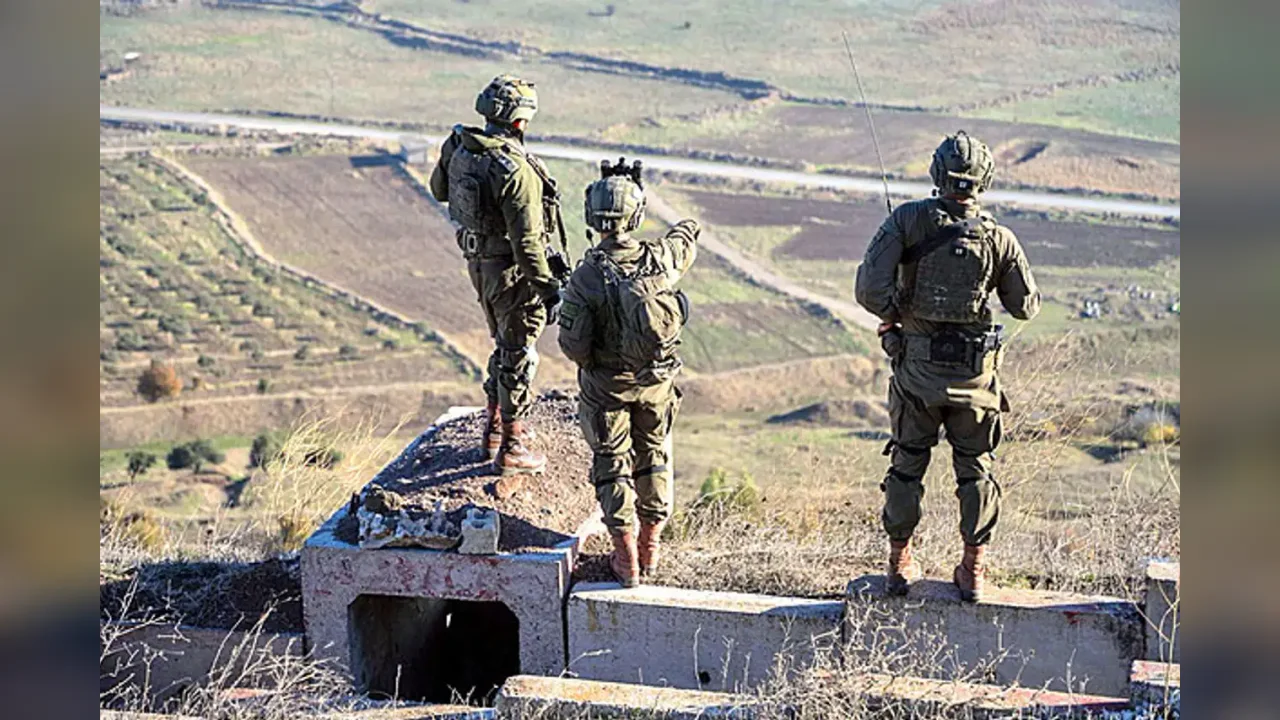
IDF Seizes Dozens of Drones in West Bank Crackdown on Aerial Threats
The IDF confiscated around 15 drones in a Samaria Brigade operation, bringing total 2026 West Bank seizures past 530 amid rising concerns over explosive and fiber-optic guided aerial threats.
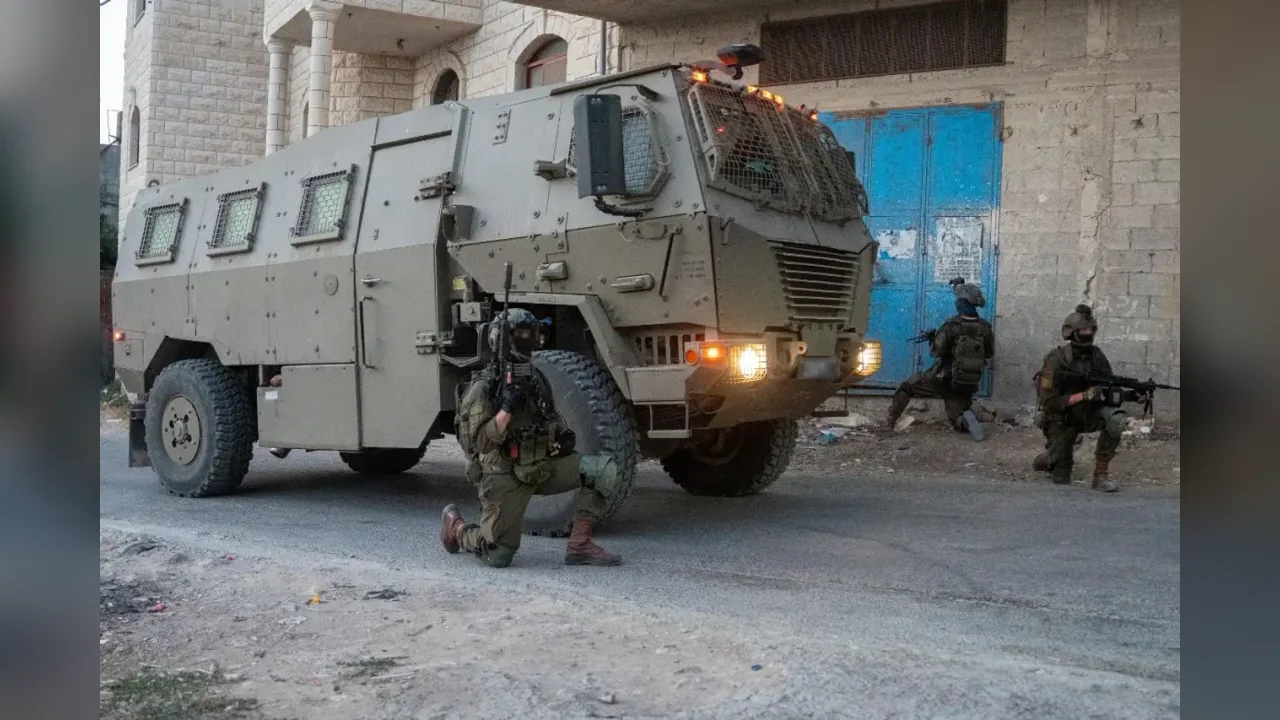
The IDF has intensified counter-drone operations across the West Bank, confiscating approximately 15 unmanned aerial vehicles during a nighttime raid conducted by the Samaria Brigade. Military authorities are ramping up preventative efforts to neutralize the evolving security threat posed by commercial and modified aerial devices in close proximity to Israeli population centers and highways.
Evolving Security Challenges
Security officials report that more than 530 drones have been seized across the West Bank since the beginning of 2026. Under an executive order issued by the head of the IDF Central Command, the possession, operation, or import of drones and dual-use components capable of being assembled into aerial weapons is strictly prohibited.
Military analysts view the proliferation of drone technology as a critical emerging challenge across all operational sectors. While combat forces have previously confronted hostile drone launches by Hezbollah operatives across the northern border, the threat in the West Bank carries distinct geographic risks due to the minimal distance between potential launch sites and major civilian infrastructure in central Israel.
Strategic Prevention Measures
Defense planners are particularly concerned about the potential deployment of explosive-laden drones, fiber-optic guided systems, and coordinated multi-drone swarms. Because short-range threats reduce early-warning reaction times, the defense establishment focuses heavily on preemptive intelligence and targeted operations to intercept supply chains before operational capabilities can be established on the ground.
Regional brigades, operating under the Central Command and the Judea and Samaria Division, continue to execute specialized raids and intelligence-led operations. The military emphasizes that preemptive countermeasures will remain a primary focus to dismantle infrastructure, prevent the accumulation of aerial hardware, and safeguard both security forces and civilians.