IDF Expands Female Combat Roles While Reserve Service Gaps Persist
IDF data shows female combat integration grew from 5% in 2013 to 21% in 2025, but female reservists serve an average of 8 years compared to 15 years for men.
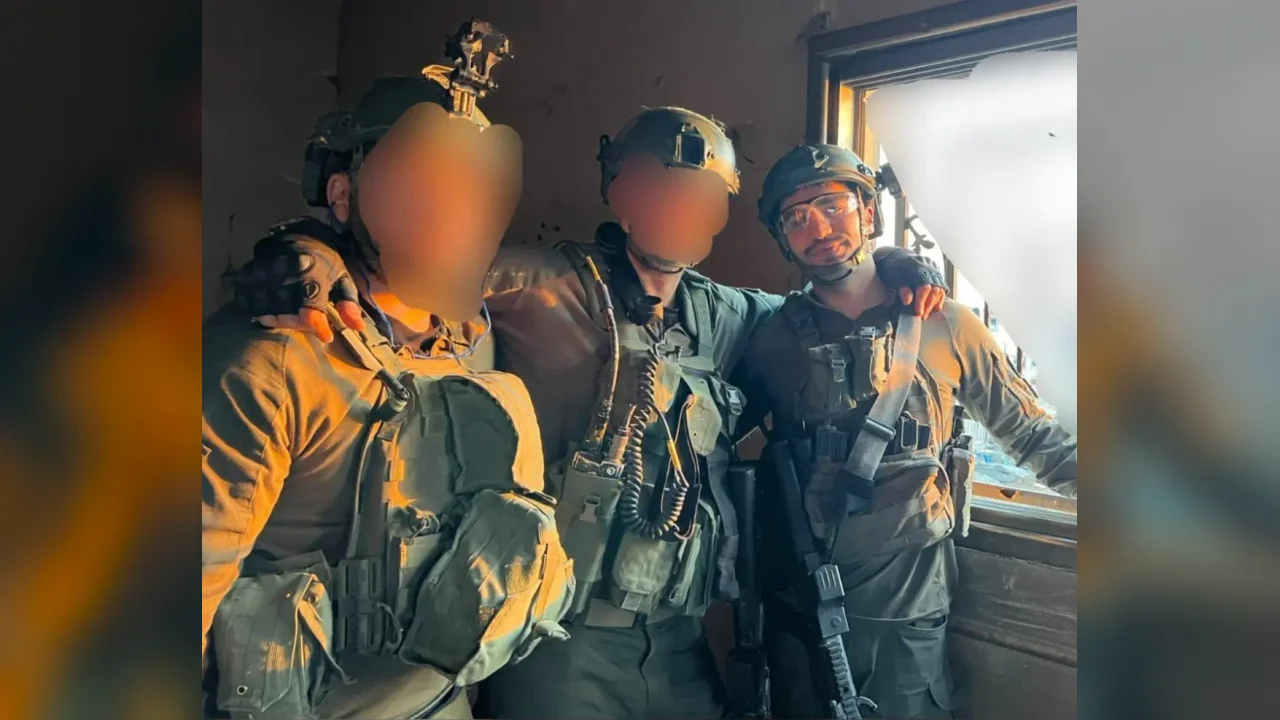
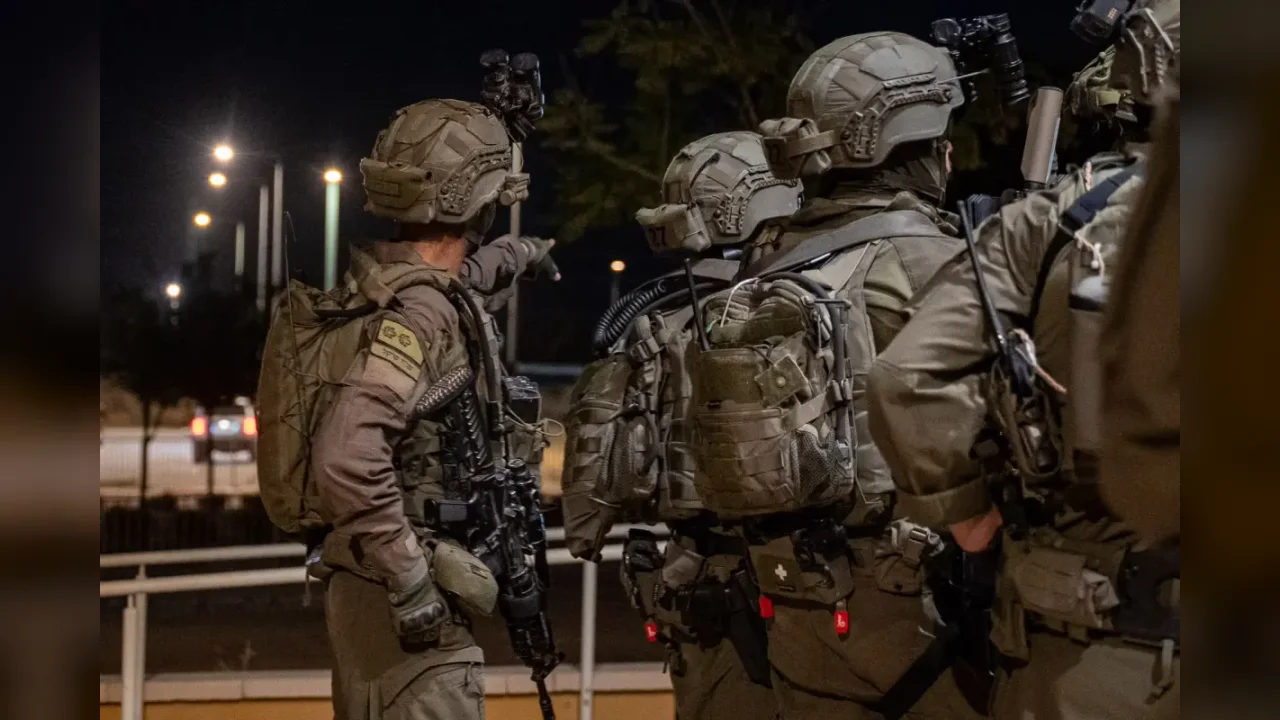
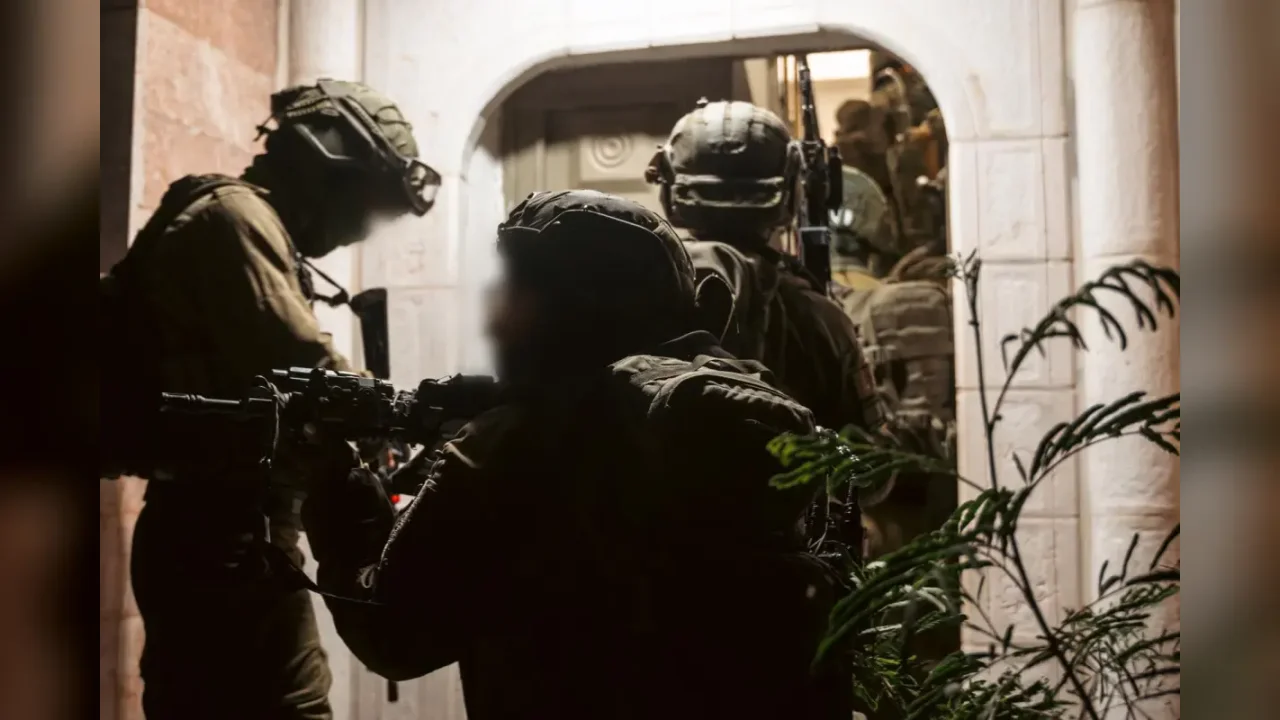
The IDF has significantly expanded the integration of female soldiers into combat units, raising their proportion from 5% of active-duty combat forces in 2013 to 21% by 2025. However, newly released figures highlight a substantial gap in reserve service duration following completion of initial training.
Data obtained through a freedom of information request by the organization "Choosing Family" reveals that male combat soldiers serve an average of approximately 15 years in combat reserve roles. In contrast, female combat soldiers serve an average of about eight years in the reserves.
The figures focus attention on force-building considerations as the military broadens female combat integration. Because training expenses are comparable for equivalent roles, a shorter reserve service period translates to fewer active combat years per trained soldier, though the military's response did not detail specific training costs or direct cost-benefit comparisons for identical roles.
The structural difference is also reflected in the broader force composition. In 2025, women accounted for 21% of regular active-duty combat forces and 11% of combat personnel in the reserves, though the military noted that in most female combat roles, equal standards apply and female soldiers are not granted reserve exemptions based on motherhood.
Michael Pua, author of the report, sharply criticized the military's strategic planning and policy direction.
"The IDF high command alongside the High Court of Justice continue the destruction of the army. The investment in these female fighters will yield no more than 40% of the investment in male fighters. This is simply value destruction. Exploiting the tremendous motivation of fine young women wishing to contribute to Israel's security to advance a destructive agenda is an unforgivable crime."
The military's response did not elaborate on the underlying reasons for the multi-year retention gap or how leadership factors it into decisions regarding ongoing combat integration expansions.