Western Intelligence Warns Russia May Launch Nuclear-Armed Satellite Soon
Western intelligence agencies assess that Russia may launch a nuclear-armed satellite into orbit before year-end, raising alarms over potential impacts on global infrastructure and space treaties.
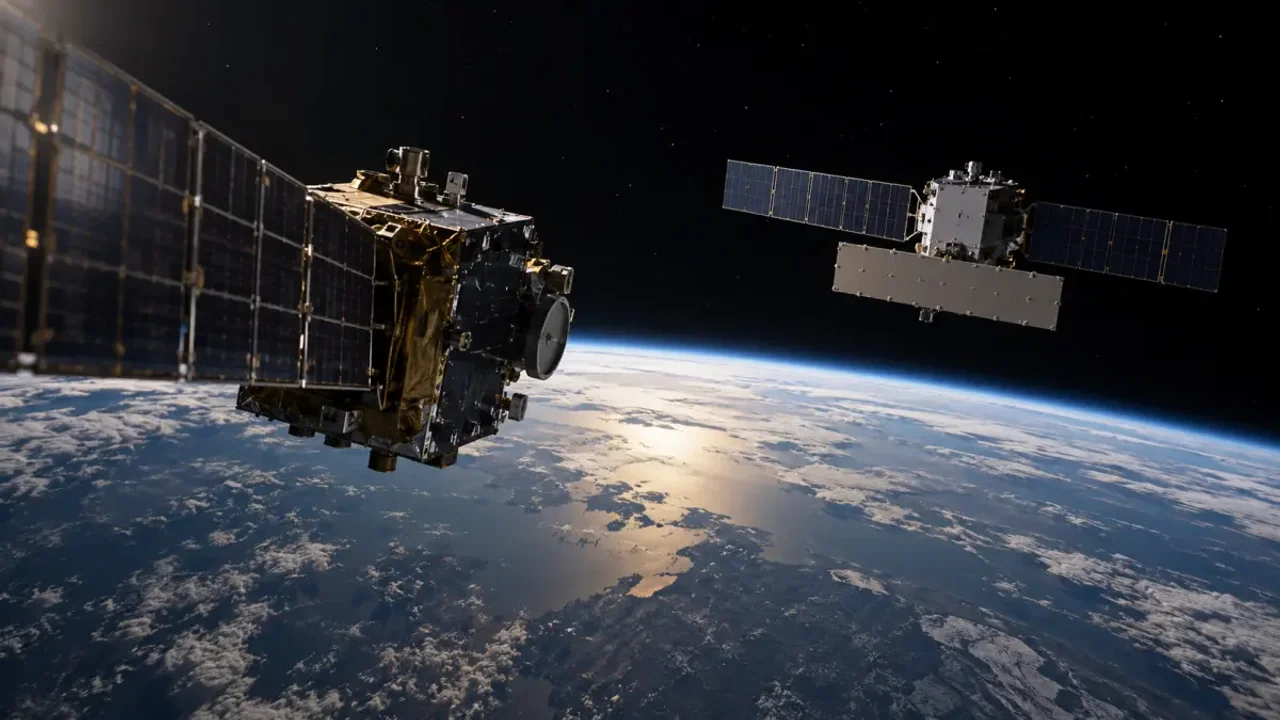
Western intelligence agencies assess that Russia is preparing to launch a satellite armed with a nuclear warhead into orbit, potentially before the end of the year. According to a joint investigative report by German public broadcasters and the Süddeutsche Zeitung newspaper published on Monday, intelligence gathered by several NATO member states indicates that the satellite, designated Sputnik-S, was assembled several years ago and is currently stationed in the Moscow region.
Intelligence Assessment and Timelines
NATO issued alerts in early November warning of a potential launch within 60 days, while the German military's Space Command projected that the launch could occur as early as December, with orbital deployment following shortly afterward. German military experts have briefed Defense Minister Boris Pistorius and other senior government officials regarding the threat. Although the Russian embassy in Germany, the German Federal Intelligence Service, and NATO headquarters in Brussels did not immediately respond to requests for comment, the intelligence data suggests that launch preparations have reached an advanced stage.
While the specific orbit, warhead yield, and exact target of the device remain undisclosed, the U.S. Defense Intelligence Agency previously stated in October that Russia is actively developing a nuclear-armed satellite. U.S. Space Command chief Gen. Stephen Whiting warned that detonating such a weapon in low Earth orbit could instantly disable roughly one-third of all satellites within hours or days.
Potential Consequences and Threat to Infrastructure
Beyond destroying orbital assets, a nuclear detonation in space would generate a severe debris cloud and an electromagnetic pulse capable of crippling satellite navigation systems, global financial networks, electrical grids, and cellular communications. Maj. Gen. Armin Fleischmann of the German military warned of widespread power outages and communication disruptions, emphasizing the urgent need to develop capabilities to neutralize hostile satellites. Security officials note that Western armed forces rely heavily on space-based assets, meaning such an attack could grant Moscow a temporary military advantage.
Security officials in Germany also suspect that a Russian satellite named Cosmos-2553, launched in February 2022 shortly before the invasion of Ukraine, served as a testbed for space-based nuclear capabilities. Analysts believe the satellite was designed to measure radiation damage and evaluate whether spacecraft can continue maneuvering in high-radiation environments, though Moscow previously maintained the payload was intended strictly for scientific research.
Space Treaty Violations and Growing Tensions
Deploying nuclear weapons in orbit violates the 1967 Outer Space Treaty, to which Russia is a signatory. U.S. intelligence first warned internally about Russian plans to place nuclear weapons in space in February 2023, though Moscow has consistently denied pursuing such programs.
The disclosure underscores escalating friction in orbital space. According to French analytics firm Aldoria, nearly 30 instances of Russian satellites tailing European spacecraft have been recorded since February 2022. Meanwhile, the United States confirmed in September that it had deployed offensive space capabilities into orbit.