Hamas Shifts to Online Incitement for Lone-Wolf Attacks in West Bank
Hamas is expanding online incitement to foster lone-wolf attackers in the West Bank as organized terror cells face systematic security crackdowns by Israeli forces.
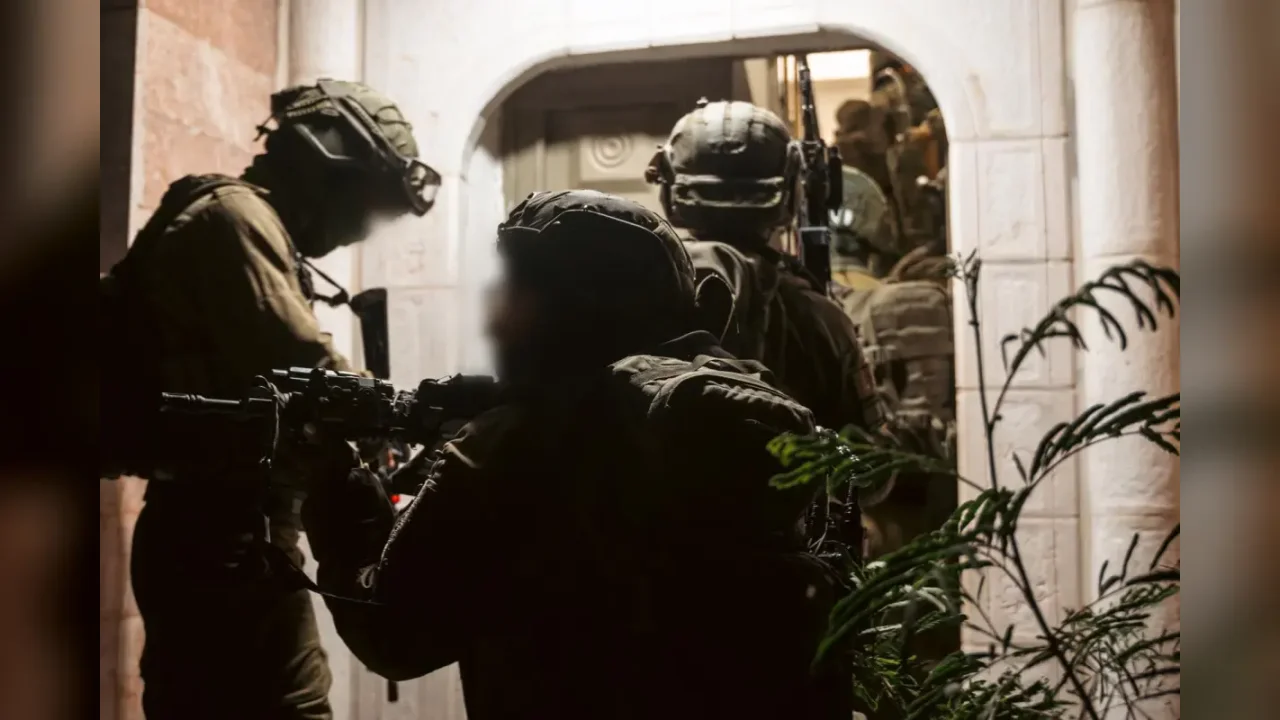
Hamas is shifting its operational strategy in the West Bank, intensifying online incitement to cultivate lone-wolf attackers as organized terror cells face continuous Israeli security crackdowns. Facing severe operational setbacks that have thwarted most attempts to establish local terror networks, the organization is utilizing social media channels to inspire independent perpetrators.
The Shift to Lone-Wolf Incitement
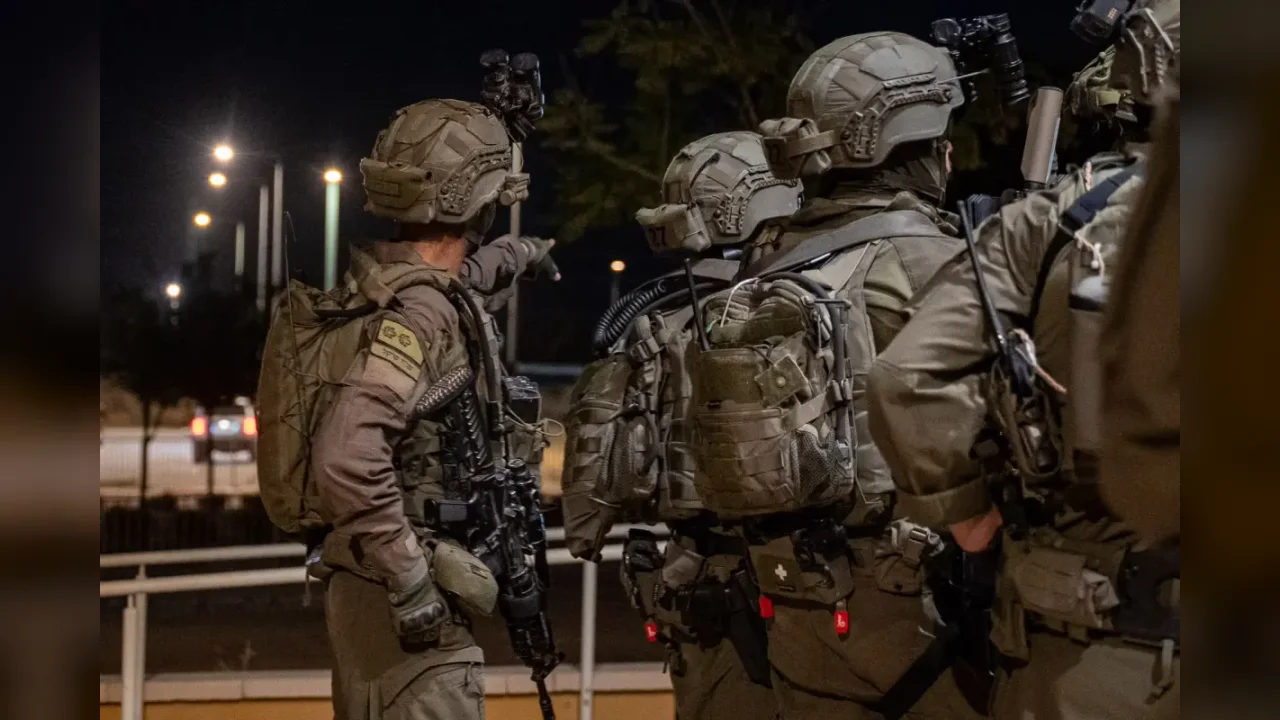
Israeli security forces have successfully dismantled nearly all recent attempts by Hamas to build operational infrastructure in the West Bank, arresting suspects at early stages and intercepting external funding. The only cell that managed to execute an attack operated in Hebron, while an attempted wave of lone-wolf attacks during the Jewish holiday season was largely neutralized following preventative IDF operations.
To compensate for these failures, Hamas is pursuing two parallel tracks. The first involves directing operations from abroad, primarily from Turkey, where exiled operatives funnel funds and weapons. The second track involves exploiting social media platforms to flood public feeds with glorifying combat videos, archival footage of deceased commanders, and direct calls for violence.
Telegram Channels and Propaganda Networks
An intelligence analysis tracking Palestinian social media channels between September 2 and November 22 identified extensive dissemination of terror-glorifying content across three prominent Telegram outlets. These include the Jenin News channel, which reached between 225,000 and 300,000 subscribers; Nablus News, with approximately 180,000 followers; and Hebron News, boasting 75,000 to 80,000 subscribers.
While these channels consistently echo Hamas messaging and share material from the group's official portals and the Izz ad-Din al-Qassam Brigades, investigators note there is no direct evidence that Hamas directly controls or finances their daily operations. The channels rely on repeating two primary patterns: romanticizing terrorists as heroic role models and distributing battle chants paired with footage of past attacks.
Historical Propaganda and High-Profile Incidents
Propaganda efforts frequently repurpose archival material from prominent figures. On October 23, coinciding with a deadly shooting attack at the Judea intersection that claimed the lives of Staff Sergeant Ron Yonatan Roitman and Sergeant Yuval Shai Soylem, the Hebron News channel distributed a video combining attack footage with calls for violent revenge.
Similarly, channels repeatedly circulated archival speeches by Saleh al-Arouri, a senior Hamas official eliminated in January 2024, urging young Palestinians to expand armed resistance. Additional clips featuring Yahya Sinwar, Mohammed Deif, and Marwan Issa were systematically published to inspire viewers. A senior security official emphasized the tactical difficulty this approach introduces:
"A lone attacker may possess more limited operational capabilities than an organized cell, but they are significantly harder to detect prior to the attack. They operate with fewer connections and fewer involved parties, presenting a distinct intelligence challenge."
Security agencies remain on high alert, confronting both directed external terror plots and the diffuse threat of radicalized individuals acting independently without prior warning.