Advocates Call to Reframe Combat Trauma as Physical Injury Within IDF
Advocates and bereaved families urge the IDF to reframe combat trauma as a physical injury, calling for proactive mental health outreach and accountability within military units.
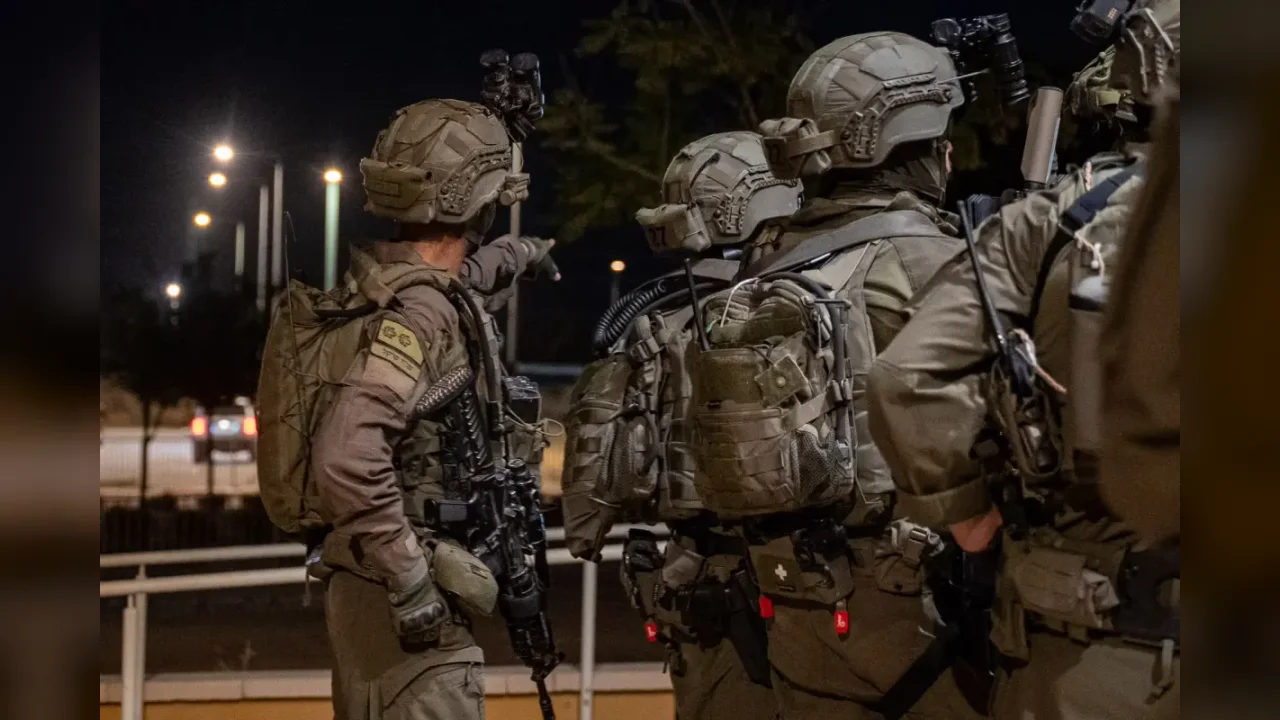
Following recent public disclosures regarding combat-related suicide statistics within the IDF, mental health advocates and bereaved families are calling for a fundamental shift in how psychological casualties are perceived and treated. Shamir Benita, co-founder of the Combat Diamond Forum, and Tom Wasserstein, whose brother Roey served as a combat medic in the 401st Armored Brigade's medical evacuation unit and died by suicide on July 30, 2025, discussed the ongoing crisis during a radio interview.
Redefining Combat Trauma as Physical Injury
Benita argued that labeling combat-related psychological distress as suicide creates a negative perception and shifts accountability away from the military institution. He emphasized that these soldiers succumbed to their injuries rather than a mental illness.
"These individuals died from their injuries. The trauma overwhelmed them. If they were bleeding profusely, physically wounded, and slowly losing blood on a treatment table, nobody would claim they committed suicide. As a society, we fail to understand that this is an injury, not a mental illness. The difference is that an injury can be treated, and the earlier it is addressed, the milder the injury remains."
He added that this shift in perspective requires military commanders to evaluate their conduct and the support provided to soldiers returning from combat operations. Acknowledging these invisible wounds forces leadership to examine where they failed when bleeding veterans lay unassisted at home.
The Hidden Toll of Medical Evacuation
Tom Wasserstein shared the story of his late brother Roey, who completed over 300 days of reserve duty across multiple rotations in Gaza. Alongside his demanding military service, Roey pursued a degree in electrical and electronic engineering, maintained full-time employment, and remained deeply involved in his family life. Only after his death did his family discover the severity of the incidents he experienced while evacuating wounded soldiers under extreme combat conditions.
Wasserstein noted that Roey never spoke about his harrowing experiences at home. Plunging into prolonged combat without adequate downtime left him without the space to process the trauma. Within military units, soldiers frequently hesitate to ask for help due to deep-seated stigma, shame, and fear of professional repercussions.
Institutional Gaps and the Need for Proactive Outreach
Both advocates emphasized the urgent necessity of proactive outreach, arguing that the military cannot wait for distressed soldiers to seek assistance independently. Benita stressed that the IDF must establish safe, stigma-free channels for troops in crisis.
"A soldier returning from the battlefront, having performed heroically, suddenly finds himself unable to perform daily routines. That is when the psychological wound begins to bleed, and that is where we must intervene. We need to embrace him while telling him firmly that receiving treatment is simply what is required. Why do we know how to handle a physical amputation, yet fail to do the same when a piece of the soul is severed?"
Since his brother's death, Wasserstein has dedicated his life to suicide prevention, collaborating with the IDF Manpower Directorate and expert panels. However, he cautioned that current institutional initiatives face severe budgetary constraints and manpower shortages, leaving critical gaps in daily unit-level mental health support across the armed forces.