High Court Slams Knesset and Government Over 7-Year Nursing Home Camera Delays
The High Court of Justice sharply criticized the Knesset and government for a seven-year delay in fixing unworkable nursing homes camera laws, extending an interim injunction until January 2028.
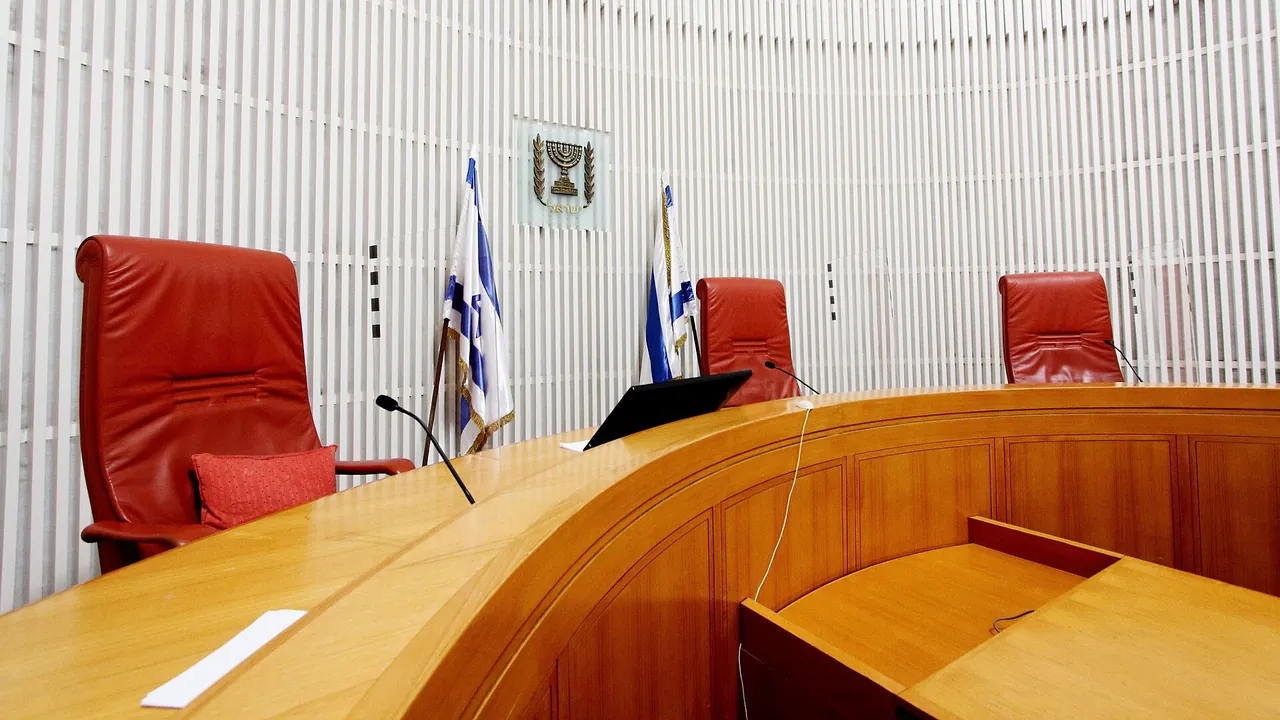
Nearly seven years after it was scheduled to take effect, the High Court of Justice has issued a scathing critique of the Knesset and the government over unworkable provisions in the nursing homes camera law, which was designed to protect vulnerable patients in geriatric facilities.
In a ruling delivered on Wednesday, Supreme Court Justice Daphne Barak-Erez criticized lawmakers for rushing legislation before properly examining the practical difficulties of implementation, and for failing to complete necessary legislative fixes even after severe roadblocks came to light.
"We have witnessed a ‘legislate and see’ approach here—first enacting an amendment intended to fundamentally alter obligations regarding the installation of cameras in nursing homes, and only afterward discovering that insurmountable problems exist regarding practical implementation," wrote Justice Barak-Erez, with Justices Ofer Grosskopf and Alex Stein concurring.
The verdict stems from a petition filed in late 2019 by the Association of Nursing Homes and Sheltered Housing in Israel, represented by attorneys Ilan Bombach and Yariv Ronen. The association sought a one-year delay in the law's implementation due to budgetary and technological hurdles, compounded by the dissolution of the Knesset and the absence of a Labor, Welfare and Health Committee to review the delays.
Years of Delays and Repeated Extensions
During a January 2020 hearing, the state acknowledged significant difficulties regarding camera installations in private spaces. By mutual consent, the High Court issued an interim injunction suspending enforcement of these specific provisions. However, nearly seven years elapsed without a permanent solution, as the state repeatedly requested extensions citing the COVID-19 pandemic and subsequent security crises.
In November 2024, the state informed the court that the Minister of Health intended to amend the requirements for private spaces, yet the process remained stalled. In a July status update, government officials reported that draft memoranda were still under inter-ministerial review, with no clear timetable provided for completion.
Expressing profound dissatisfaction, the justices noted that while initial delays during the parliamentary crisis and the pandemic were understandable, the situation could no longer remain open-ended under the shelter of an interim injunction.
Dismissal of the Petition and Final Directives
Although the High Court opted to dismiss the petition rather than maintain continuous judicial oversight, the judges emphasized that interim suspensions cannot become permanent fixtures of the legal landscape. The court ruled that the interim injunction freezing camera mandates in private spaces will remain in effect until January 1, 2028, granting the state a final window to complete the statutory revisions.
Concluding that the initial petition was fully justified, the court ordered the respondents to pay 20,000 shekels in legal costs to the nursing homes association, with 15,000 shekels assigned to the state and 5,000 shekels to the Knesset.
Attorney Ilan Bombach welcomed the ruling, stating that the landmark interim injunction halted a legally unworkable mandate and reaffirmed that thorough factual groundwork must precede legislative action.