High Court Dismisses State Petition After Defense Drops Mandelblit Limits
The High Court of Justice dismissed a state petition against restrictions on questioning former AG Avichai Mandelblit in the Netanyahu trial after the defense dropped its objections.
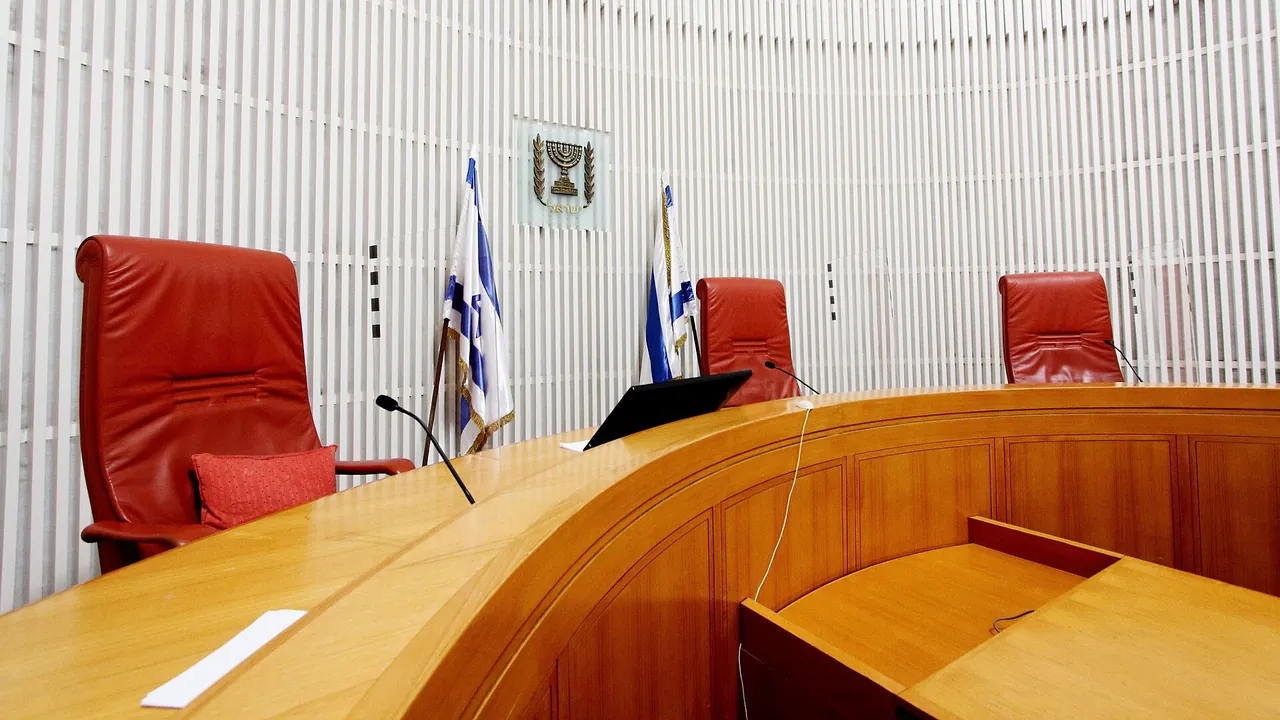
The High Court of Justice dismissed a petition filed by the State Attorney's Office against the trial panel's decision to restrict the cross-examination of former Attorney General Avichai Mandelblit in the corruption trial of Prime Minister Benjamin Netanyahu. The petition became moot after the defense withdrew its objections, stating that prosecutors could cross-examine the witness without limitations.
Dismissal of the Petition
Presiding over the High Court, President Isaac Amit, alongside Justices Yael Wilner and Khaled Kabub, ruled that the practical remedy sought by the prosecution had already been achieved. The panel declined to issue a definitive constitutional ruling on the broader legal question raised by the state, instead terminating the proceedings and canceling a scheduled hearing. The defense's sudden shift in strategy followed an earlier District Court ruling that restricted the prosecution to redirect examination unless specific judicial approval was granted.
Mandelblit, who served as Attorney General when the investigations and indictments against Netanyahu were launched, was called to testify as a defense witness. Because his testimony involved defense arguments, the trial court initially limited prosecutors from conducting a standard cross-examination. In response, the State Attorney's Office petitioned the High Court, arguing that the Criminal Procedure Law guarantees the prosecution an absolute right to cross-examine any witness called by the defense, regardless of their prior association with the state.
Defense Concession and Practical Impact
Although the High Court issued an interim order and scheduled a hearing, defense attorney Amit Hadad announced that the defense was dropping its opposition to full cross-examination for Mandelblit and all subsequent defense witnesses. Hadad asserted that the defense harbored no fear of the prosecution's questioning.
"Let them question him to their heart's content," Hadad declared to the court, adding that the defense would only object to specific questions on a case-by-case basis if necessary.
The defense emphasized that the concession was made for practical and procedural efficiency without retracting its core legal arguments. Following this notice, the Jerusalem District Court updated its instructions to allow the state full cross-examination moving forward, though the ruling does not retroactively apply to witnesses who have already concluded their testimony.
Despite the practical resolution, the state urged the Supreme Court to deliver a binding legal precedent governing how prosecutors may question defense witnesses in future criminal proceedings. The High Court justices acknowledged that the case raised significant statutory questions regarding the interpretation of the Criminal Procedure Law. However, because the defense arguments on the merits were never fully presented to the Supreme Court, the justices concluded that issuing a broad normative ruling was unnecessary. Consequently, the petition was dismissed without costs awarded to either party, clearing the path for prosecutors to conduct an unhindered cross-examination of the former attorney general.