Court Upholds Ownership of Herzliya Apartment for Blind Man and Ex-Wife
A Tel Aviv District Court dismissed an appeal over a Herzliya apartment, ruling that a blind man and his ex-wife retain ownership. The court enforced the late parents' unwritten promise, citing the former wife's immense sacrifice after moving to Israel.
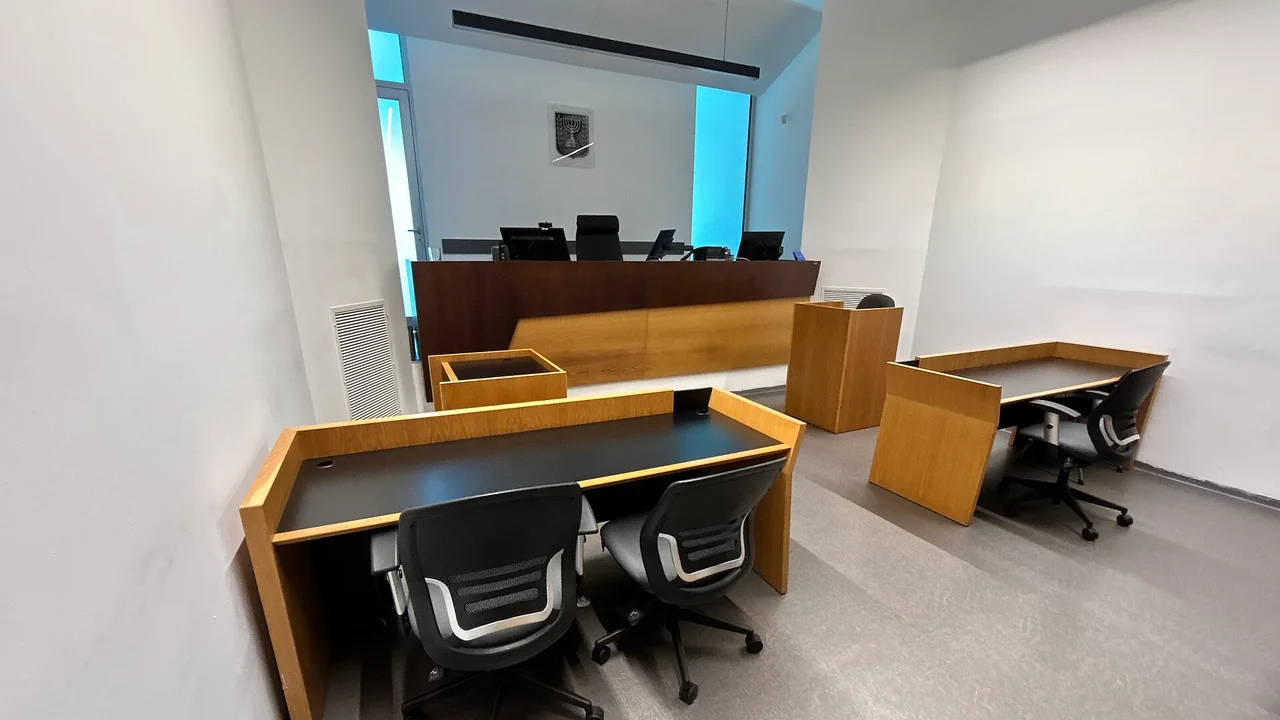
The Tel Aviv District Court has dismissed an appeal filed by a woman contesting a ruling that granted ownership of an apartment in Herzliya to her blind brother and his former wife, a Brazilian native. The judges—Einat Ravid, Naftali Shilo, and Yehezkel Eliyahu—ruled that the late parents' unwritten commitment to provide the couple with an apartment must be honored despite the lack of a formal written document.
The case dates back to 1987, when the parents of the man, who lost his sight in early childhood, traveled with him to Brazil to find him a bride. There, they met a 20-year-old law student who agreed to marry him and relocate to Israel. Before the wedding, the couple signed an agreement establishing joint ownership of property, including gifts and inheritances. However, months after her arrival in Israel, the woman was asked to sign a Hebrew financial agreement establishing complete separation of property, which was later annulled by a court due to her lack of Hebrew proficiency, coercion, and misrepresentation.
In 2002, the couple returned to Brazil after the husband's parents allegedly failed to purchase an apartment for them as promised. According to the wife, they were later persuaded to return to Israel based on a renewed pledge, prompting the parents to purchase an apartment in Herzliya where the family lived rent-free for roughly 17 years. After the marriage collapsed, the mother filed an eviction lawsuit which was granted. The mother later passed away, leaving her entire estate—including five apartments and a shop—solely to her daughter, the appellant. The former wife sued for recognition of her ownership of half the Herzliya apartment and won.
Writing for the court with his colleagues' concurrence, Judge Naftali Shilo emphasized that the wife's testimony was credible and supported by circumstantial evidence, such as the Brazilian agreement, the timing of the apartment purchase, and decades of rent-free living. The court invoked the doctrine of "cry of fairness," which overcomes the written formality requirement in real estate transactions under exceptional circumstances. The judge highlighted the immense sacrifice made by the wife, who left her homeland, converted, and dedicated nearly thirty years to supporting her blind husband, only for the family to attempt to strip her of her housing once the marriage ended.