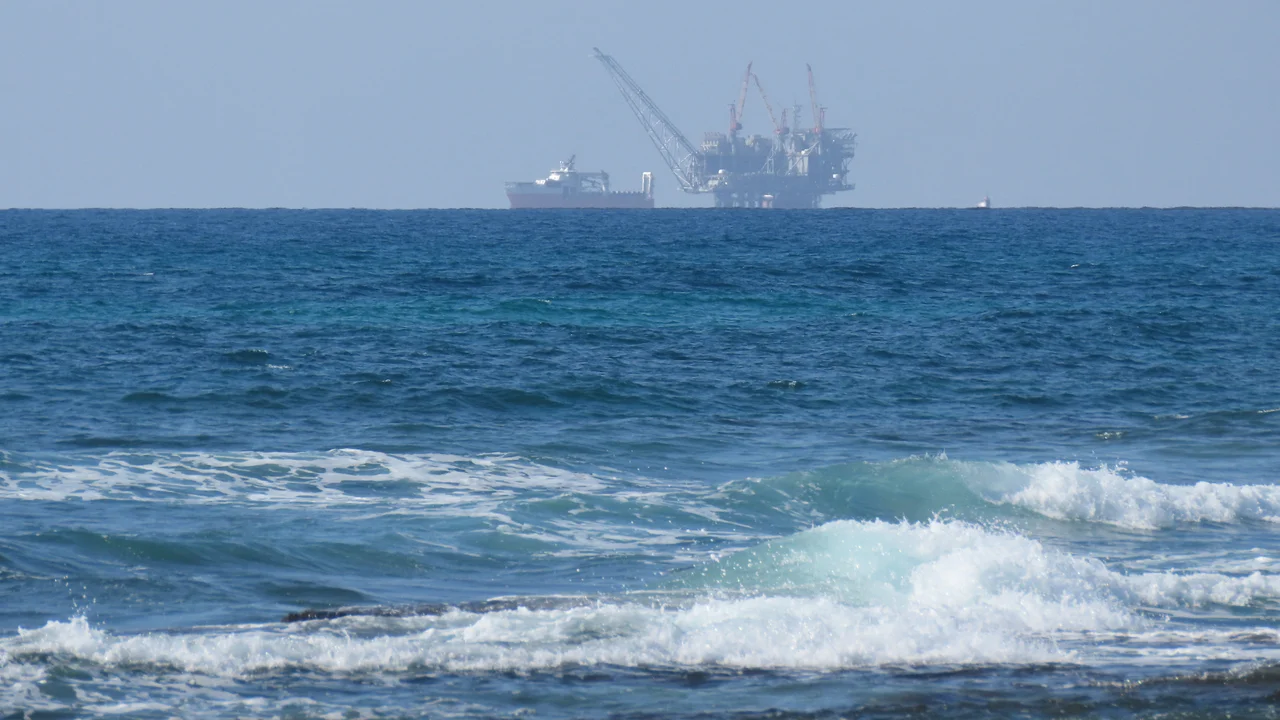
Coastal Haifa Neighborhood Sees Apartment Prices Surge 119% in a Decade
Western Kiryat Haim property prices surged 119% over the past decade, bucking national real estate trends as urban renewal, coastal proximity, and security upgrades drive buyer demand.
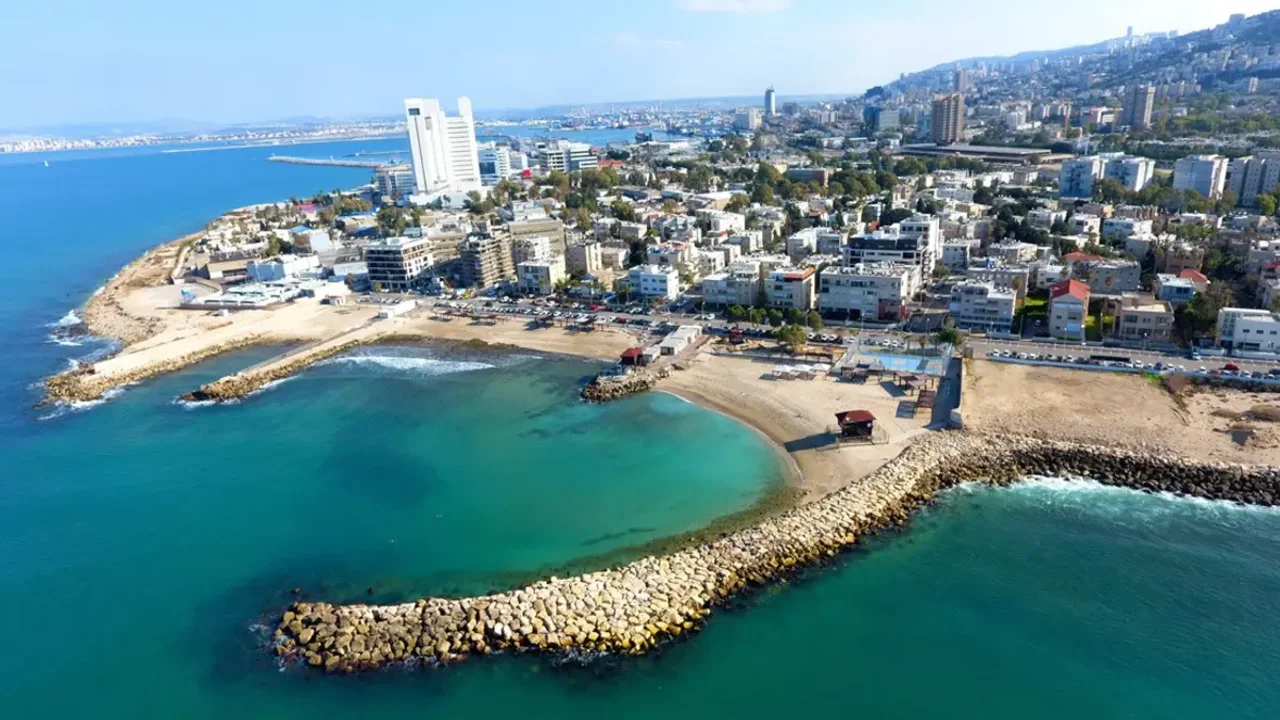
While the broader Israeli real estate market continues to face a sales slowdown and downward price adjustments, the Haifa District is charting a different course. According to Central Bureau of Statistics data published in November, apartment prices nationwide declined by 1.5% over the past year, whereas Haifa District emerged as the only region to post an increase, rising by 0.3%. Comparing August-September 2026 to July-August, prices in the district climbed another 0.8%. A striking example of this trend is Western Kiryat Haim, where urban renewal, shifting buyer demographics, and proximity to the Mediterranean Sea have driven significant capital appreciation.
Decade of Growth and Shifting Demographics
Data from Madlan shows that apartment prices in Western Kiryat Haim surged by approximately 67% between 2019 and 2024, climbing from around 13,700 NIS per square meter to about 23,000 NIS per square meter, making it a top-performing neighborhood for price growth. Additional transaction data on existing apartment buildings indicates that the median price per square meter rose from roughly 11,250 NIS in 2016 to about 24,605 NIS in the period ending June 2026, marking a nominal surge of roughly 119% over the decade.
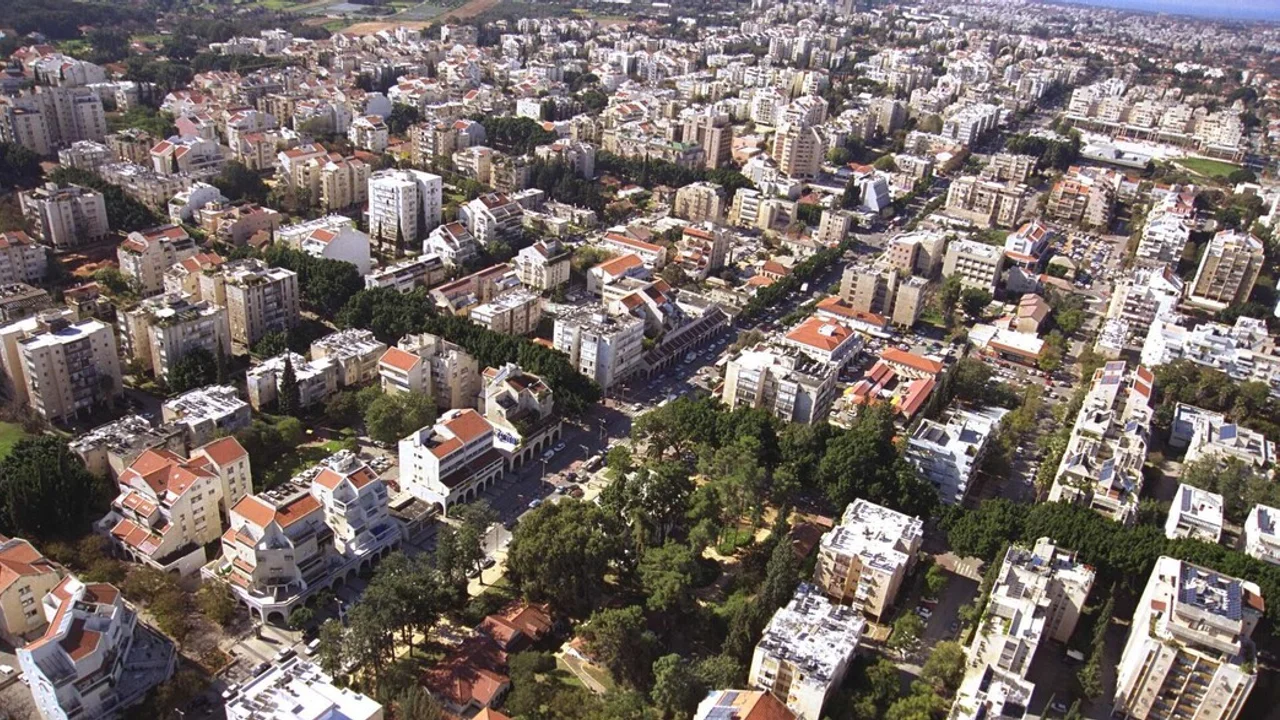
Historically developed as a quiet residential enclave with a stable local population, Western Kiryat Haim benefits from its proximity to the Haifa Bay coastline. For years, this coastal advantage was muted in property values due to aging infrastructure and a limited supply of new construction. Today, the landscape is shifting as urban renewal initiatives take hold, drawing buyers who seek a combination of modern housing, urban accessibility, and beachfront proximity.
Idan Rosenstein, Vice President of Marketing at Yehuda Levy Group, which operates the SEA WEST project in the area, points to the evolving buyer pool:
"In the past, Western Kiryat Haim was characterized primarily by longtime local residents and families seeking accessible pricing. Today, we see a much more diverse audience, with a significant surge in interest from investors, first-time homebuyers, and local families looking to upgrade their living conditions. Buyers realize that the neighborhood still offers relatively affordable pricing compared to other coastal zones. Proximity to the sea has become a major advantage, especially in new apartments, as the coastal strip is a limited resource that cannot be replicated."
The Security Imperative and Urban Renewal
A primary catalyst for transformation is the age of the housing stock. Approximately 96% of apartments in Western Kiryat Haim are located in buildings constructed before 1980, compared to about 68% across Haifa as a whole. This leaves a vast inventory of aging structures that fall short of modern planning, accessibility, and fortification standards. Urban renewal projects rectify this deficit by introducing new buildings equipped with reinforced security rooms, known in Israel as MAMADs.
Data from the Haifa and The North Contractors Association and the Krayot Local Planning and Building Commission reveals that roughly 41,150 apartments in the Krayot—representing 61.6% of all homes in the area—lack a reinforced security room. This fortification gap gives new developments a distinct edge among families wanting to remain in their communities while upgrading their safety.
"The MAMAD has shifted from a desirable upgrade to a core requirement for buyers," Rosenstein explains. "We meet families who have lived in Kiryat Haim for decades and want to stay in the familiar environment, but transition to a new, fortified apartment. People today evaluate not just price, location, and size, but also the level of fortification and building quality."
Infrastructure Upgrades and Coastal Transformation
Beyond residential renewal, the municipal coastline is undergoing a major facelift. The Haifa Municipality announced the construction of a new seaside promenade connecting Neot Beach in Kiryat Haim to Kiryat Yam Beach, backed by an investment of approximately 15 million shekels funded by the Government Authority for Urban Renewal. Spanning a year of construction, the project will feature hundreds of trees, shaded areas, seating corners, food trucks, upgraded parking lots, and sports facilities. A marine sports center is also slated to open in early 2027 within the renovated honeycomb-shaped structures, creating a continuous pedestrian and cycling path linking Kiryat Haim, the Krayot, and Haifa.
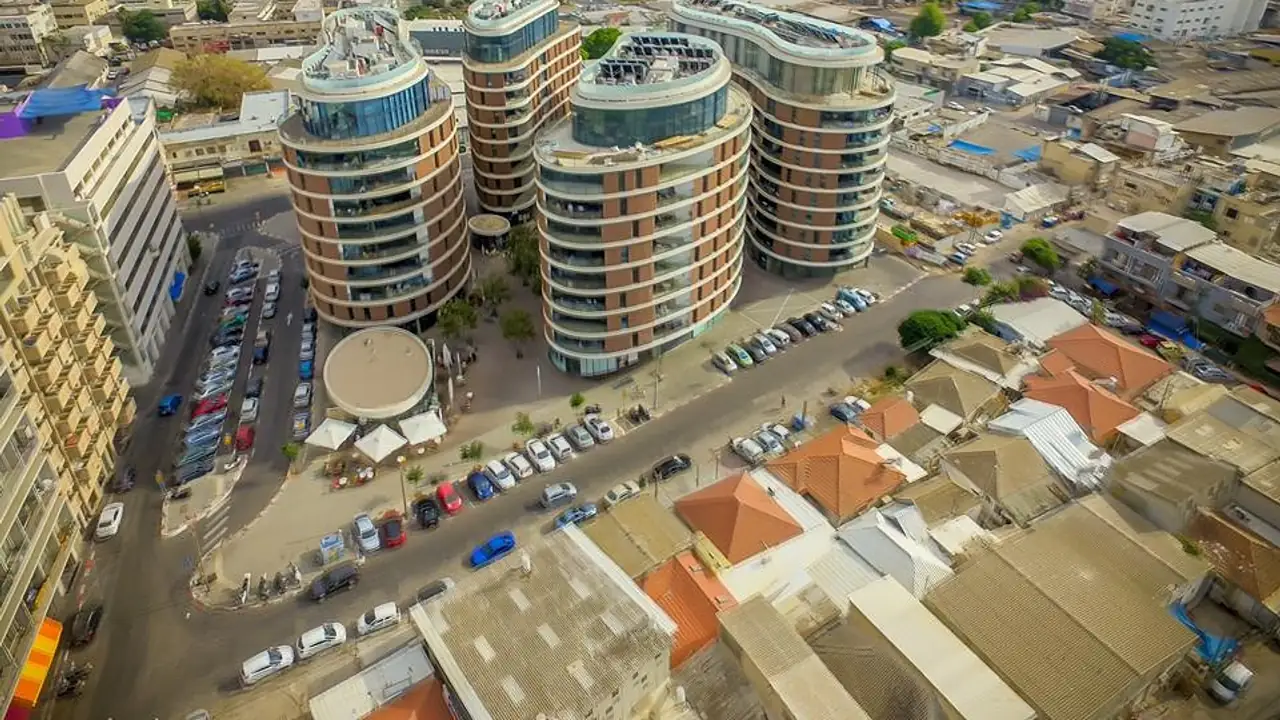
These municipal investments are mirrored on the ground by projects such as Yehuda Levy Group's SEA WEST on M.H.L. Street. Comprising 492 housing units across ten residential buildings through a densification and construction model, the complex renews the aging fabric while adding modern, fortified homes. Several buildings are already occupied, and a certificate of completion was recently issued for a 54-apartment building at 27 M.H.L. Street, with work ongoing across other phases.
Reflecting the rising demand, new apartment prices at SEA WEST have climbed by about 35% over four to five years of marketing, moving from initial levels of 1.3 to 1.5 million shekels to current ranges between 1.9 million and 2.5 million shekels or more, depending on size and specifications. Rosenstein concludes that the area's coastal potential is still unfolding, offering buyers lasting value amidst ongoing municipal and structural regeneration.