Study Finds Israeli Red Warning Food Labels Outperform European Nutri-Score
A new international study shows Israeli red warning labels outperform Europe's Nutri-Score in communicating nutritional risks, offering clearer guidance for consumers.
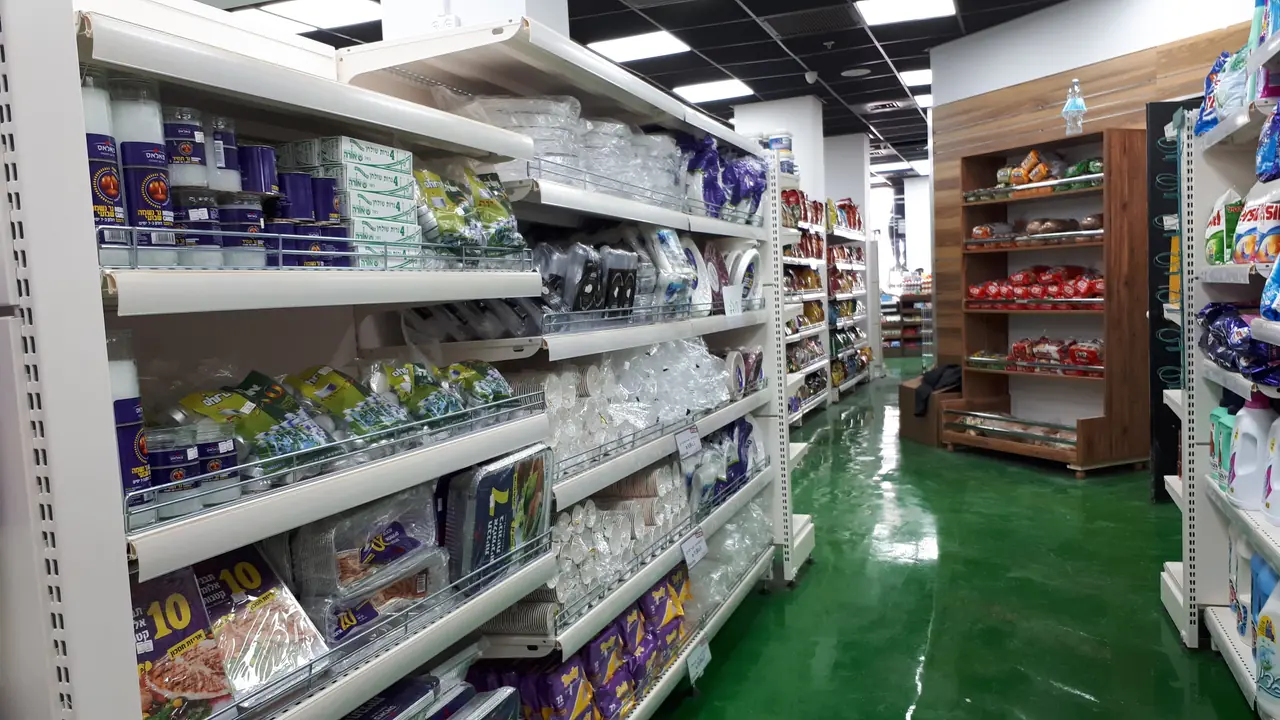
Shoppers browsing snack aisles in recent years have become well-acquainted with the red warning sticker on food packaging. Featuring designations for high sugar, high sodium, or high saturated fat, these labels have largely blended into the retail background. However, a new international study reveals that Israel's warning system outperforms its European counterpart in communicating nutritional risks.
Published in the academic journal Frontiers in Nutrition, the research was led by Prof. Aaron Troen and Prof. Eyal Ert from the Robert H. Smith Faculty of Agriculture, Food and Environment at the Hebrew University of Jerusalem, alongside Dr. Grit Hömel and Prof. Nanette Ströbele-Benschop from the University of Hohenheim in Germany. The international team directly compared the Israeli red warning label against the Nutri-Score system utilized in Germany and other European nations, which ranks nutritional value on a five-tier scale ranging from green A to red E.
Experimental Insights and Eye-Tracking Data
The study involved 223 participants split evenly between Germany and Israel, comprising 112 German nationals and 111 Israelis. Participants evaluated simulated food packaging bearing one of the two labeling systems, rating items on perceived healthiness, taste, and purchase intent. Simultaneously, an advanced eye-tracking system recorded their visual fixations and duration. According to the research team, this represents the first international study to directly compare both labeling formats.
Results indicate that participants in both countries found the Israeli warning labels more intuitive and helpful for making healthy choices. Products carrying red warning labels received more critical evaluations than identical items marked with the Nutri-Score, which elicited more lenient consumer judgments. The red warning label proved more effective at conveying health messages rapidly compared to an orange D rating.
Comparative Utility and Regulatory Background
Familiarity also played a distinct role, as participants in both nations identified their domestic labeling system faster. German consumers spent more time examining the Israeli labels, whereas Israeli participants focused longer on the Nutri-Score. While the Nutri-Score assists consumers in comparing overall nutritional values between products, red warning labels draw immediate attention to specific problematic components.
"Different systems were designed to achieve different objectives."
Originating in Chile in 2016, warning label frameworks expanded globally when Israel mandated red warning stickers on January 1, 2020, for items exceeding thresholds in sugar, saturated fat, or sodium, alongside a voluntary green symbol for healthy foods. The mandatory rollout prompted numerous manufacturers to reformulate recipes and reduce problem ingredients. As the European Union considers unified front-of-package labeling and the United States Food and Drug Administration evaluates supplemental nutrient criteria, researchers emphasize that food labels serve as vital public health interventions.